
Use Doctor Ratings to Find Your Ideal Mental Health Therapist
· 19 min read

Why doctor ratings matter and how this guide will help
Trying to find a good mental health professional can feel like a really big puzzle.

With so many choices out there, it’s hard to know where to start or who to trust. You might be looking for a clinical psychologist or just a therapist for emotional support by searching for "psychology near me." It’s a common struggle to pick the right person, especially when dealing with your mental health.
This is where doctor ratings become very important. Just like how you might check reviews before buying a new item or picking a restaurant, patient reviews and ratings for doctors and therapists give you helpful clues. These online insights can help you feel more certain about your choices and reduce some of the guesswork involved. In 2026, many people look at online reviews for healthcare places before they visit, as they share stories from other patients about their experiences.
This guide is here to help you understand how to use these ratings well. We will walk you through easy steps to look at doctor ratings and reviews. You will learn how to check a therapist’s training and experience, and how to find someone who is a good fit for you. We’ll also show you how to find reliable sources for these ratings, because not all online information is equally helpful. Understanding patient experiences on these platforms can give you a better idea of what to expect when looking for the therapist that’s right for you. Our goal is to make your search for mental health support simpler and clearer.
Sometimes, there’s just too much information out there. Mental health headlines can overload judgment. If you’re feeling overwhelmed, it’s good to learn how to Filter the Noise and focus on what truly matters for your well-being.
After learning why doctor ratings are so helpful, let’s look at how they actually work. These ratings are more than just simple stars. They show different parts of a patient’s experience.
Here’s what you usually find in online doctor ratings:
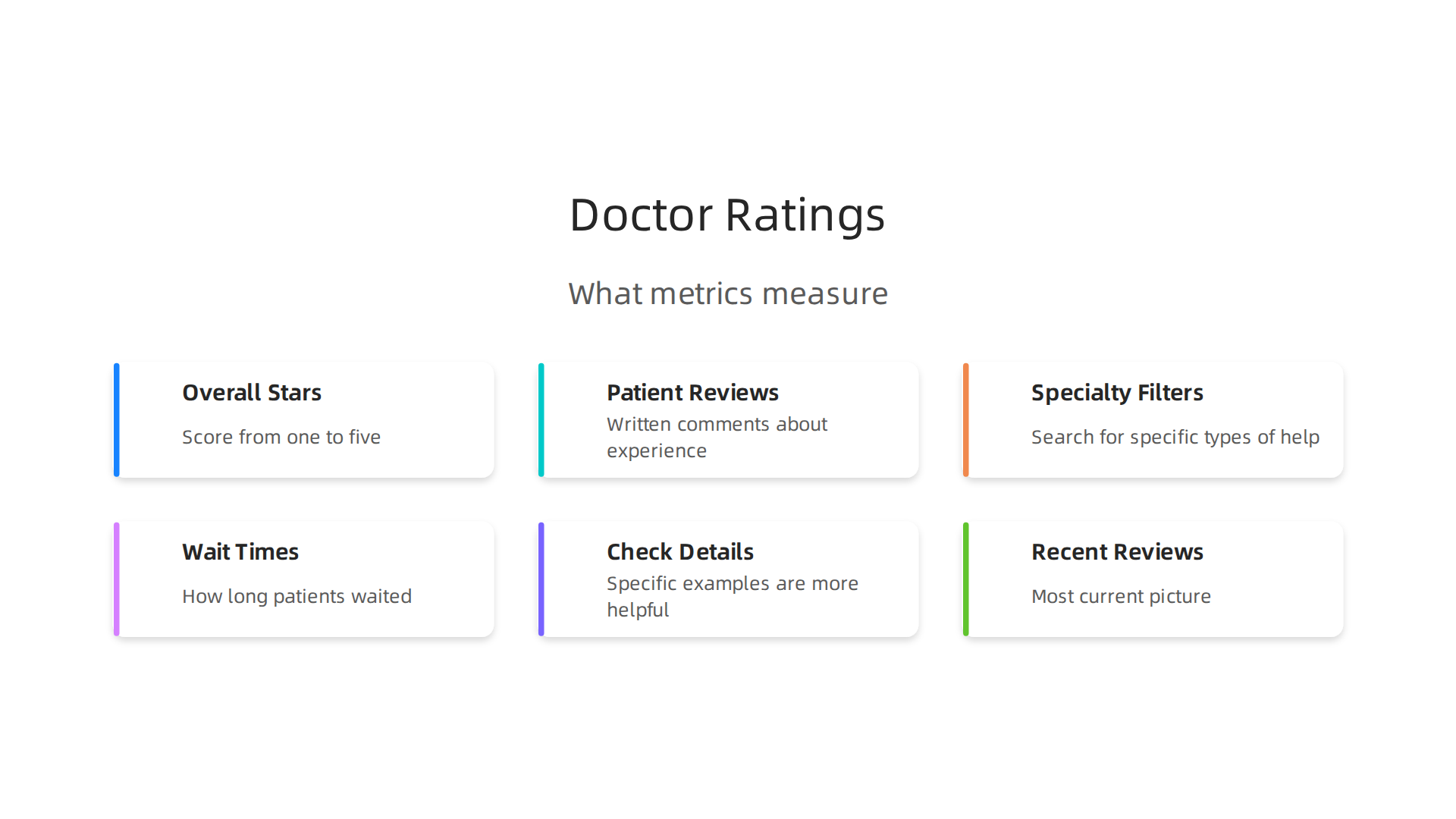
- Overall Star Ratings: This is often the first thing you see. It’s usually a score from one to five stars, where five stars is the best. This score is an average of what many patients thought about their experience with a doctor or
the therapist. - Patient Reviews: These are written comments from people who have visited the doctor. They share what they liked or didn’t like. Reviews might talk about how helpful the
clinical psychologistwas, if the office staff were nice, or if the wait times were long. Reading these helps you get a real feel for what it’s like. - Specialty Filters: Many sites let you look for specific types of help. You can search for a
therapist for emotional support, aclinical psychologist, or someone who helps with certain issues like anxiety. This helps you narrow down your search for "psychology near me." - Wait Times and Availability: Some ratings include how long patients waited for their appointment or how easy it was to schedule. This is important for finding someone who fits your schedule.
However, it’s also important to know that online ratings have their limits.
- Who Writes Reviews?: Often, people are more likely to write a review if they had a really great or a really bad experience. This means the reviews might not show what most people feel. It’s like only hearing from the happiest or unhappiest customers.
- Review Checking: Websites often check reviews to make sure they are real and fair. But sometimes, very good or very bad reviews might be treated differently. It’s hard to know if every single review is completely unbiased.
- What They Don’t Tell You: Star ratings are good, but they don’t tell you if a particular doctor is the right fit for you. Mental health is very personal. What works for one person might not work for another. While tools for mental health assessment and improving patient outcomes exist, simple star ratings don’t use these deeper measures to predict your personal progress with a specific provider, as highlighted in reports on Reaching Better Behavioral Health Outcomes with Mental Health Tools.
So, while doctor ratings are a great starting point, remember to look at them carefully. Think of them as clues, not the full answer. You can learn more about how to read therapist reviews in a smart way.
Now, let’s look at the different places where you can find these helpful doctor ratings and patient feedback.

Knowing where to look can make it much easier to find the right the therapist or clinical psychologist for you.
Here are the main places to search:
- Official Doctor Registries: Many groups for doctors or certain medical fields have their own websites. These sites often list doctors who are members and sometimes include basic information or even patient feedback. These are like official phone books for doctors. They usually check that doctors are real and have the right training.
- Independent Review Websites: These are probably what you think of first. Websites like Healthgrades, Vitals, or Zocdoc let people rate their doctors.
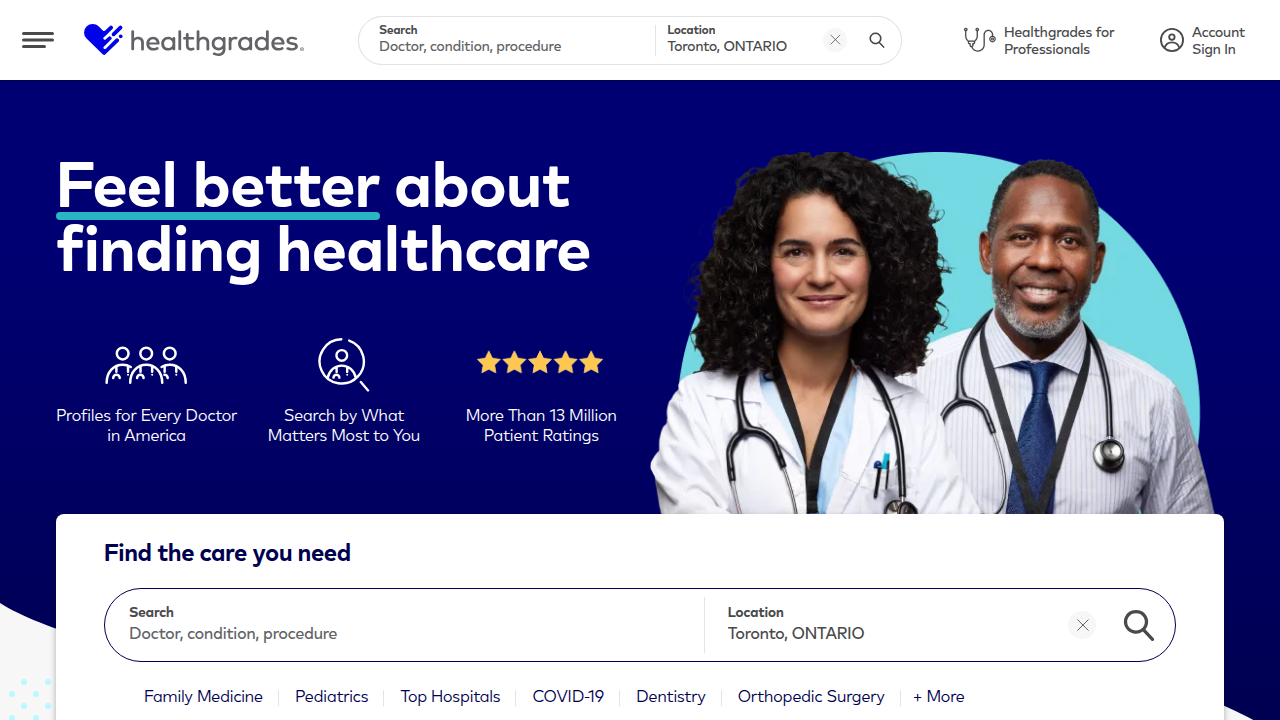
They collect star ratings and written reviews. You can often search for a therapist for emotional support or a specialist by putting in "psychology near me" to find local options. Many of these platforms focus on patient experiences, as shown in studies exploring patient rating platforms in countries like those in the OECD Rating and review platforms in OECD countries.
- Hospital or Clinic Websites: Many hospitals and larger clinics now put patient reviews right on their own websites. This can be a good source because it’s directly from the place you might be going.
- Social Media and Forums: You might find people talking about doctors on social media groups or online health forums. While these can offer personal stories, remember that they are less formal and might not be checked as carefully as other sites.
How to Spot a Trustworthy Platform
When you’re looking at doctor ratings, it’s smart to know how to tell if the information is good and fair.
- Look for Transparency: A good platform will tell you how they collect reviews. Do they invite all patients to review, or just some? This helps you understand if the reviews are a fair picture.
- Check for Moderation: Trustworthy sites often have ways to check reviews. They might use special tools or people to make sure reviews are real and not just fake ones from competitors or people trying to cause trouble. Some reports even study how online reviews for health facilities are managed Online Reviews of Health Care Facilities.
- Recent Information: Make sure the reviews are not too old. A doctor’s practice can change over time.
- Balance of Reviews: It’s normal to see a mix of good and bad reviews. If every review is perfect, or every review is terrible, you might want to be a little careful.
Finding the right care can feel like a big task. If you’re overwhelmed by all the information out there, remember to Filter the Noise and focus on clear, reliable sources. Learning about different types of care counseling can also help you understand what kind of support you need.
When you are looking at doctor ratings, it’s not just about the star count. You need to really dig into what people are saying to find helpful clues. This is how you separate the truly useful information from all the noise. Reading reviews carefully can help you find a great the therapist or clinical psychologist in your area.
How to Read Reviews Like a Detective
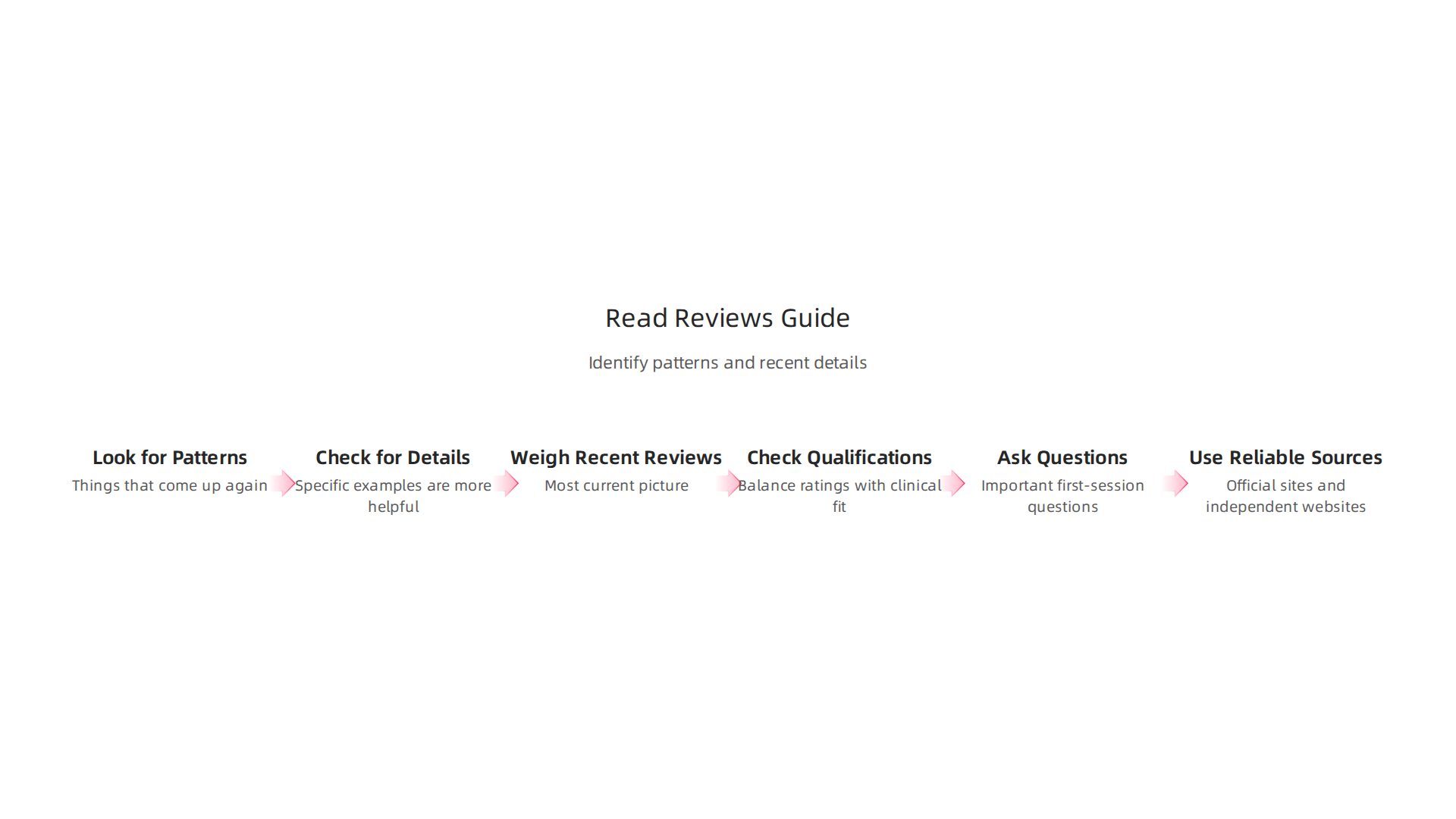
- Look for Patterns, Not Just Single Stories: Don’t get caught up in one good or bad review. Instead, read many reviews and look for things that come up again and again. For example, if many people say a certain
therapist for emotional supportis a good listener, that’s a strong sign. If many complain about long wait times, that’s also a pattern to note. Studies even analyze thousands of online reviews to find these kinds of patterns in patient feedback Exploring the Icarus Paradox in Indonesia’s Specialist Medical …. - Check for Specific Details: A review that says "Dr. Smith is great" isn’t as helpful as one that says "Dr. Smith helped me understand my anxiety by teaching me specific calming exercises." The more details a review has, the more you can trust it. It tells you what the doctor is good at and if their style matches what you need.
- Weigh Recent Reviews More Heavily: Medical offices and staff can change over time. A review from 2021 might not be as true today in 2026. Always look for the newest feedback first, as it gives you the most current picture of what to expect.
Spotting Fake Reviews and Extreme Ratings
It’s a sad truth that some reviews online aren’t real. They might be from someone trying to boost a doctor’s score or unfairly bring it down. Here’s how to spot them:
- Generic Language: If a review sounds very general and could apply to almost any doctor, it might be fake. Real patients usually share specific experiences.
- Too Many Reviews Too Fast: If a doctor suddenly gets a huge number of perfect reviews in a short time, that can be a red flag.
- Reviews That Sound Identical: Sometimes, fake reviews use the same words or phrases. Keep an eye out for this.
- Extreme Ratings with No Details: Very high or very low ratings without any real explanation or specific examples should make you cautious. These could be outliers that don’t reflect the typical experience. The market for tools that detect healthcare fraud, including fake reviews, is growing rapidly in 2026 to combat this issue Healthcare Fraud Detection Market Report 2026.
When you see an extreme review, whether super good or super bad, try to see if it stands alone. If almost all other doctor ratings are positive but one is extremely negative, that one bad review might not be the whole story. You are looking for a balanced view, not perfection.
For more deep dives into understanding feedback, read our guide on how to read therapist reviews and find the right therapist.
Reading online reviews is a helpful start, but it’s only one piece of the puzzle. You also need to look closely at a the therapist‘s education, training, and special skills. This helps you find a good match that goes beyond just what other people say. It is about making sure the therapist is truly qualified to help you.
Why What a Doctor Knows Matters
When you look for a clinical psychologist or therapist for emotional support, their training and what they are allowed to do (their license) are very important. Here’s why:
- Licensing: This means a
the therapisthas met certain rules and passed tests to show they are good at their job. They must follow strict rules to keep their license. Without a license, they might not be trustworthy. You can usually check a professional’s license on your state’s health department website. - Special Training: Some mental health problems need special care. For example, if you are looking for help with certain types of anxiety, you want someone who has studied and worked a lot with that specific issue.
- Evidence-Based Methods: This means
the therapistuses treatments that have been shown to work through scientific research. It’s like a doctor using medicine that has been proven safe and effective. Knowing that aclinical psychologistuses these methods can give you more trust in the care you will get. Finding the right mental health care often means checking these important details, as explained in a guide on How to Choose the Right Mental Health Facility in 2026.
How to Check Qualifications and Ask Smart Questions
Don’t be shy about asking questions to make sure the therapist is a good fit. You are looking for psychology near me that is both skilled and understanding.
- Look for Their Degree and Experience: On their website or profile, you should be able to see their education. For example, a
clinical psychologistusually has a PhD or PsyD. Look at how many years they have been working too. - Ask About Their Special Areas: When you first talk to them, ask what kinds of problems they help with most often. Do they have experience with what you are going through? You might ask them what kinds of ways they measure how well treatment is working for their patients, as using good tools can lead to Reaching Better Behavioral Health Outcomes with Mental Health Tools.
- Talk About Their Style: Does their way of working with people feel right for you? A good connection with
the therapistis called "therapeutic fit" and it is very important. Even if someone has greatdoctor ratingsand impressive qualifications, the personal connection needs to be there for you to feel comfortable opening up.
Remember, the goal is to find a mental health professional who is not only highly rated but also has the right skills and personality to help you best. To dive deeper into finding the best support, explore our guide on care counseling what it is and how to find the right therapy for you.
When you’ve done your homework and found a the therapist who looks promising, the next step is often a first meeting or consultation. This is your chance to ask specific questions and see if you feel a good connection with them. Think of it as a two-way interview. You’re not just being interviewed; you’re also interviewing them to find the best therapist for emotional support.
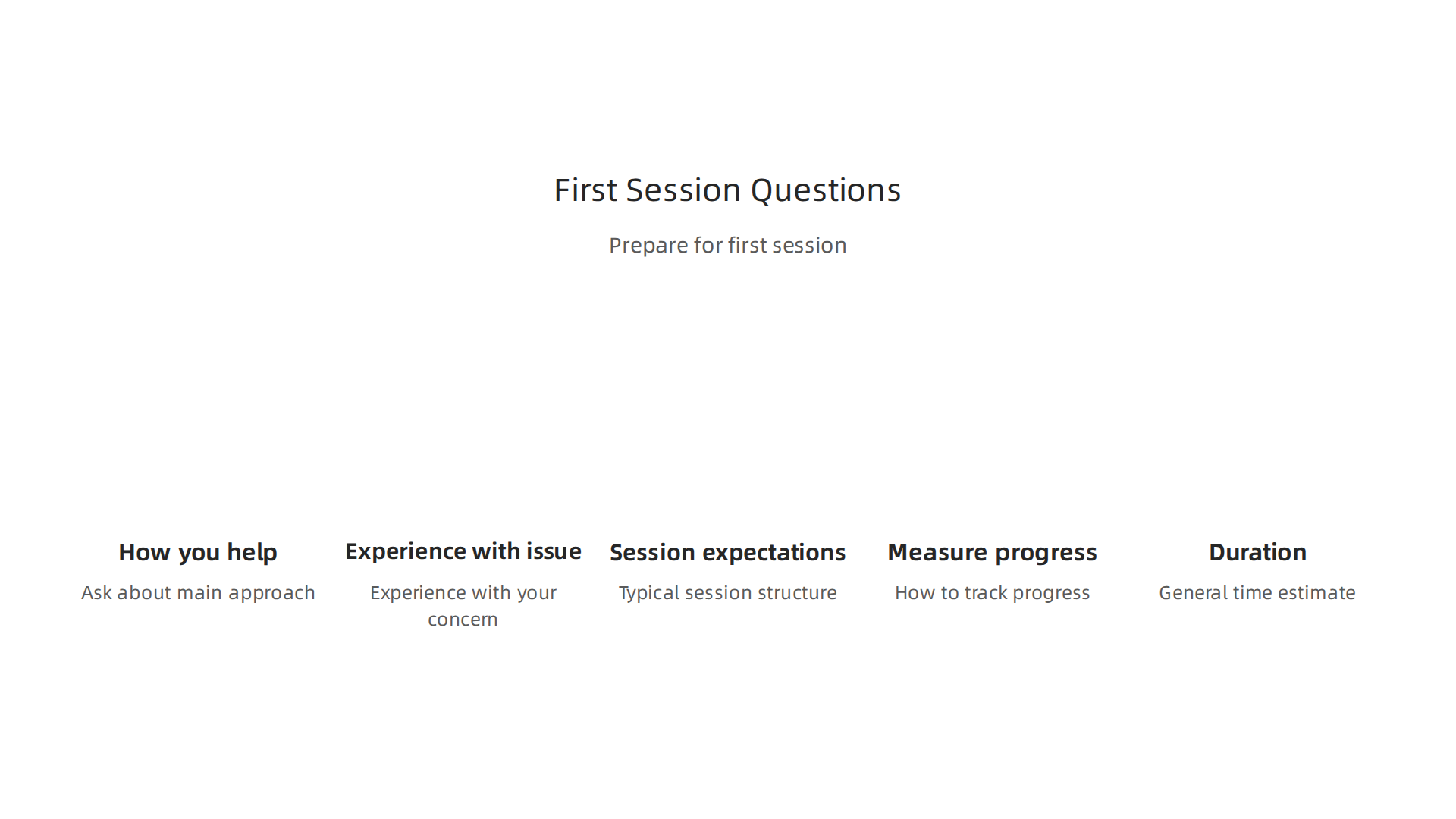
Here are some important questions to ask during your first chat:
Questions About Their Work
- How do you usually help people? Ask about their main way of doing therapy. Do they use talking therapy, special exercises, or a mix? Understanding their approach helps you know what to expect.
- Have you helped people with problems like mine before? It’s good to know if they have experience with your specific concerns, whether it’s anxiety, sadness, or family issues.
- What should I expect from therapy? Ask what a typical session looks like and how long it might last. This gives you a clear picture.
- How will we know if therapy is working? A good
clinical psychologistorthe therapistshould have ways to check your progress. Many use special tools called patient-reported outcome measures, which are surveys that let you share how you feel and if things are getting better Patient-reported outcome measures (PROMs). These tools help make sure your care is helping you. - How long do you think therapy might take for me? While it’s hard to give an exact answer, they can often give you a general idea.
Questions About Practical Details
- What are your fees for each session? Make sure you understand the cost upfront.
- Do you take my health insurance? This is a big one for many people looking for
psychology near me. Find out if they work with your insurance company to help cover the costs. - What is your policy if I need to cancel or miss a session? Therapists usually have rules about canceling appointments. Knowing these rules helps you avoid unexpected charges.
Trusting Your Gut Feeling
After asking your questions, pay attention to how you feel. Do you feel listened to and understood? Do they seem caring and respectful? This personal connection, often called "therapeutic fit," is very important. Even if a the therapist has excellent doctor ratings and impressive skills, if you don’t feel comfortable talking to them, it might not be the right match for you. Your feelings during this first meeting are just as important as all the facts. For more tips on choosing a professional, check out our guide on how to Use Doctor Ratings to Find the Right Therapist.
While doctor ratings and online reviews can be a big help when you’re looking for the therapist or a clinical psychologist, it’s also smart to know what to watch out for. Just like you trust your gut feeling when meeting someone, you also need to use your judgment when reading what others say online.
Watch for These Warning Signs
Sometimes, reviews can show you problems that might be serious. Here are some things that should make you think twice:
- Complaints about how they work: If many people say a therapist doesn’t listen, seems uncaring, or often cancels appointments, that’s a red flag. Therapy needs a skilled and caring professional to work well. For example, tools are being developed in 2026 to help identify risks in mental health care and improve safety, showing how important it is for therapists to offer good care Advancing Psychiatric Safety With the Predictive Risk Identification….
- Concerns about privacy: Keeping what you share private is a huge part of therapy. If reviews hint that a therapist has shared private information or talked about other clients, that’s a very serious problem.
- Ethical issues: This means a therapist might be acting in ways that are not professional or fair. This could be anything from making promises they can’t keep to crossing personal boundaries. These kinds of problems are rare, but very important to notice.
When to Seek a Second Opinion or More Help
If you see these kinds of warnings in doctor ratings, or if you simply feel uncomfortable after your first chat with a therapist, it’s okay to look for someone else. Your mental health is important, and you deserve a therapist for emotional support you can truly trust. Don’t be afraid to get a second opinion.
If you come across very serious problems, like a therapist acting in a way that is truly harmful or against the rules for their job, there are steps you can take. You can report concerns to their professional board or licensing body. These groups are in charge of making sure therapists follow rules and keep their patients safe. Finding psychology near me means finding someone safe and helpful.
Remember, reading reviews is one step, but understanding how to spot bad signs is just as important. For more tips on how to look at reviews carefully, read our guide on How to Read Therapist Reviews and Find the Right Therapist.
Once you’ve found the right therapist, your journey doesn’t end there. It’s just beginning. Now, it’s time to work together to make real progress.

This involves setting clear goals, tracking how you’re doing, and knowing when to adjust your care.
Setting Goals and Tracking Progress
When you start therapy with the therapist, it’s helpful to talk about what you want to achieve. These aren’t just vague hopes, but specific, measurable goals. For example, instead of "I want to feel better," you might say "I want to reduce panic attacks from twice a week to once a month." Your therapist for emotional support will help you define these targets.
Many therapists use special tools to measure your progress. These are often called patient-reported outcome measures. They are surveys or questions that help you and your therapist see how your feelings and daily life are changing over time Person-Centered Outcome Measures. Regularly checking in helps both of you understand what’s working and what might need a different approach. Remember, it’s a team effort.
It is important to notice how your behavior changes too. For example, if you are working on anxiety, you might track how many times you face a fearful situation instead of avoiding it. The idea of shaping and rewarding healthy behaviors can be a strong way to help with anxiety, depression, and other mental health concerns, by giving recognition to your efforts and positive steps forward. You can learn more about this in Authority Magazine.
When to Adjust Your Care
Sometimes, even with the best doctor ratings, a treatment plan might need changes. If you feel stuck, aren’t seeing the progress you hoped for, or your goals change, talk openly with your therapist. They might suggest trying a different type of therapy, adjusting the frequency of your sessions, or exploring other support options. Finding the right fit for your mental well-being is key, and sometimes it takes a bit of fine-tuning, as explained in our guide on Care counseling: What it is and how to find the right therapy for you.
Finding Additional Support
Your individual therapy might be just one part of your mental health plan. Many people benefit from other kinds of support, such as:
- Group Therapy: Here, you meet with others who share similar struggles. It can be comforting to know you’re not alone and to learn from each other’s experiences.
- Medication Management: For some, medication can be an important part of treatment. A psychiatrist, who is a medical doctor, can prescribe and manage these medications. You might look for a
clinical psychologistor psychiatrist if you need this kind of specialized help when searching forpsychology near me. - Crisis Help: If you ever feel overwhelmed or unsafe, it’s vital to know where to turn. Crisis hotlines and emergency services are available 24/7. There are national guidelines for behavioral health crisis care to ensure you get help when you need it most National Guidelines for Behavioral Health Crisis Care Best Practice.
Remember, your mental health journey is unique. Don’t hesitate to seek out all the resources that can help you live a happier, healthier life.
Summary
This guide explains how to use doctor ratings and patient reviews to find the right mental health professional without getting overwhelmed. It covers what ratings show (stars, written reviews, specialty filters, wait times), where to find trustworthy feedback (registries, review sites, clinic pages, forums), and the limits of those ratings. You will learn practical steps to evaluate platforms, spot fake or extreme reviews, and focus on patterns and recent details rather than single opinions. The article also shows how to check a therapist’s credentials, ask smart questions during an initial consultation, and recognize red flags that warrant a second opinion or a report. Finally, it explains how to set measurable therapy goals, track progress with simple outcome measures, and know when to adjust care or add other supports. After reading, you’ll be better prepared to use ratings as one helpful tool in choosing safe, effective mental health care.