The Reddit Mental Health Crisis and How to Navigate It Safely
· 15 min read

Introduction
You are not alone if you have ever felt overwhelmed by your thoughts and not known where to turn. Millions of people around the world struggle with their mental health every day.
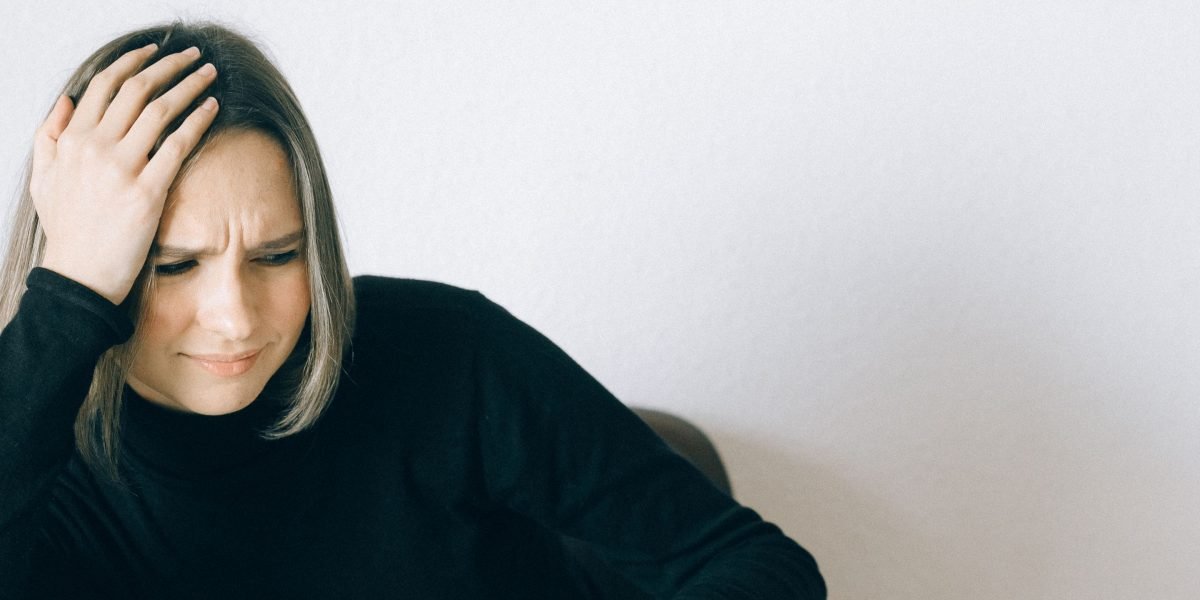
In fact, according to the Mental Health By the Numbers report from NAMI, over 60 million U.S. adults experienced a mental illness in 2024. That is more than 1 in 5 adults. At the same time, the Online Therapy Services Market is growing fast, expected to reach over USD 33 billion by 2033. Clearly, people are desperate for help.
So where do many of them go first? They go to Reddit.
Reddit has become a massive hub for anonymous mental health conversations. Subreddits dedicated to depression, anxiety, and even specialized topics like bipolar support groups attract millions of visitors every month. There is something powerful about sharing your story with strangers who truly get it, all without using your real name. The reddit mental health crisis is the name some experts give to this trend. It points to a real problem: people are turning to Reddit for serious mental health support when the platform was never designed to provide professional care.
The risks are real. You can find bad advice, triggering content, and even people in danger who need immediate help. The lack of moderation and professional oversight means that a well-meaning comment can sometimes do more harm than good. The sheer volume of information can also exhaust you.
When mental health headlines and online noise start to overload your judgment, it helps to have a reliable way to cut through the clutter. That is why resources like Filter the Noise from DeanGrey.org can be so valuable.
They help you step back and focus on what actually matters for your well-being.
In this article, we will explore the reddit mental health crisis in more detail. We will look at why people turn to Reddit, what dangers lurk there, and how you can find safer, more effective support. If you are ready to move past the guesswork and find real answers, start by learning how to care counseling can point you toward the right kind of help.
The Rise of Online Mental Health Communities
Traditional therapy has a serious access problem. In 2022, nearly 6 in 10 psychologists reported they no longer had openings for new patients, according to a survey by the American Psychological Association. Waitlists stretched longer, and demand for anxiety and depression treatment stayed sky-high. For millions of people, booking an in-person appointment felt impossible. So they started looking elsewhere.
That is where online mental health communities stepped in. Platforms like Reddit, Facebook groups, and Discord servers filled the gap. Instead of waiting weeks for a therapist, you could type your story into a subreddit and get a dozen replies within minutes. For someone feeling isolated at 2 a.m., that instant connection can feel like a lifeline.

The numbers prove this shift is real. A 2026 report on Gen Z mental health found that 34% of teens sometimes use social media to find mental health information. TikTok, YouTube, and Instagram are the top platforms for this. But Reddit offers something different: deep, threaded conversations on specific topics. A person struggling with a bipolar support group can find a whole subreddit of others who share that exact diagnosis.
You can ask questions without using your name. You can read stories that sound just like yours.
That anonymity is a double-edged sword. On one side, it lets people be honest about their darkest thoughts without fear of judgment. On the other, it removes accountability. A stranger’s advice might be helpful, or it could be dangerously wrong. One bad comment can send someone spiraling. The reddit mental health crisis captures this tension: people get the support they crave, but they also risk harm from unmoderated content.
A growing body of research calls these communities "digital surveillance" spaces for mental health. One recent study describes how real deficiencies in the mental health system have fueled rapid growth in online communities. People are not abandoning therapy because they want to. They are turning to peers because professional help is just too hard to get.
So how do you benefit from online communities without falling into their traps? The key is knowing when to step away from the screen and find a more reliable framework for your mental health. If you are tired of the noise and want a clearer path forward, the Find the Signal Faster approach can help you sort pressure from real support.
For a deeper look at how to evaluate the mental health advice you find online, check out this guide on how to read therapist reviews and find the right therapist. It gives you practical steps to separate helpful signals from harmful noise.
Reddit: A Hub for Crisis Support
Reddit is not like other social media platforms. On Instagram or TikTok, content is quick and visual. On Reddit, people write long, raw posts about their darkest moments. That makes Reddit a unique space for crisis conversations.
Subreddits like r/SuicideWatch and r/depression exist specifically for people in distress. Someone typing a post at 3 a.m. might get a reply within minutes. The community upvotes posts that need urgent attention. A recent study of over 13,000 Reddit posts from Asian national subreddits found that suicide and crisis discussions received the highest average upvote score (538.08), showing strong community support. That same study revealed that in crisis posts, "Venting" was the main intent (45.4%), while "Seeking Support" dropped to just 17.1%. People in crisis often need to blow off steam, not ask for advice.
Reddit has recognized this responsibility. In 2020, the platform partnered with Crisis Text Line to offer direct access to trained crisis counselors. If a user is flagged for self-harm or suicide, they get a private message with the key phrase "CHAT" to text 741741. This makes Reddit a hub for crisis support unlike any other major social network. You can find the full details on the Reddit partnership with Crisis Text Line.
But the topics people talk about on Reddit are shifting. A massive analysis of 14 million posts and comments from the largest mental health communities found that from 2012 to 2022, conversations about ADHD and autism grew faster than those about depression and anxiety. By 2022, ADHD and autism communities had overtaken mood disorder communities in popularity. Other communities, like those for bipolar support groups, also remain active and growing. This suggests the reddit mental health crisis is not just one thing. It is many overlapping conversations about different conditions, all evolving over time.
Not every subreddit is moderated or safe. Some posts contain dangerous advice. Misinformation is common. That is why you need a filter. If you are tired of scrolling through potentially harmful comments and want a reliable way to make sense of what you read online, the Find the Signal Faster approach can help you sort pressure from real support.
Navigating Risks: Misinformation and Overload
Reddit can feel like a lifeline at 3 a.m. But here is the truth. The same platform that connects you with someone who understands can also feed you bad advice. The reddit mental health crisis is not just about people in pain. It is also about what people believe about their own mental health after reading a few posts.
Misinformation runs wild in online mental health spaces. One analysis found that more than 80 percent of popular TikTok videos with the hashtag #mentalhealth contained misleading information. The American Psychological Association reports that inaccurate content can stop people from getting professional help or push them toward useless treatments. You can read more about this problem in the APA’s coverage on addressing misinformation about mental health.
Why does misinformation stick so easily? Because it sounds simple. A post that says "You have ADHD if you fidget" gets upvoted fast. A clinical explanation from a licensed psychologist takes more effort to read. Online forums like Reddit reward quick, emotional content over careful, accurate advice.
The overload part matters too. When you scroll through dozens of posts about trauma, depression, and medication side effects in one sitting, your brain gets flooded. You start feeling worse. You might confuse normal stress with a disorder.

You might try a supplement someone recommended without checking if it works.
So how do you protect yourself?
First, check who is talking. A username with no credentials is not a doctor. Look for comments from verified professionals or links to peer-reviewed studies. Second, use communities that have active moderation. Research shows that groups led by experts or moderated tightly reduce the spread of bad information. Third, learn how to separate credible sources from noise. One way is to read articles from platforms that prioritize evidence, like using doctor ratings to find the right therapist without the guesswork. This approach helps you verify the people you might trust with your mental health.
Finally, remember that reading about a condition is not the same as having it. Online support can be a starting point, not a substitute for a real assessment. If you feel overwhelmed by the sheer volume of conflicting claims, you need a way to cut through the noise. Consider using a tool built for this exact problem. The Filter the Noise method helps you stop reacting to every scary headline and start focusing on what actually matters for your well-being.
Best Practices for Safe Engagement
So how do you actually use Reddit and other online forums without getting burned? The reddit mental health crisis shows that the same platform can both help and hurt you. The good news is you can protect yourself. You just need a few simple habits.
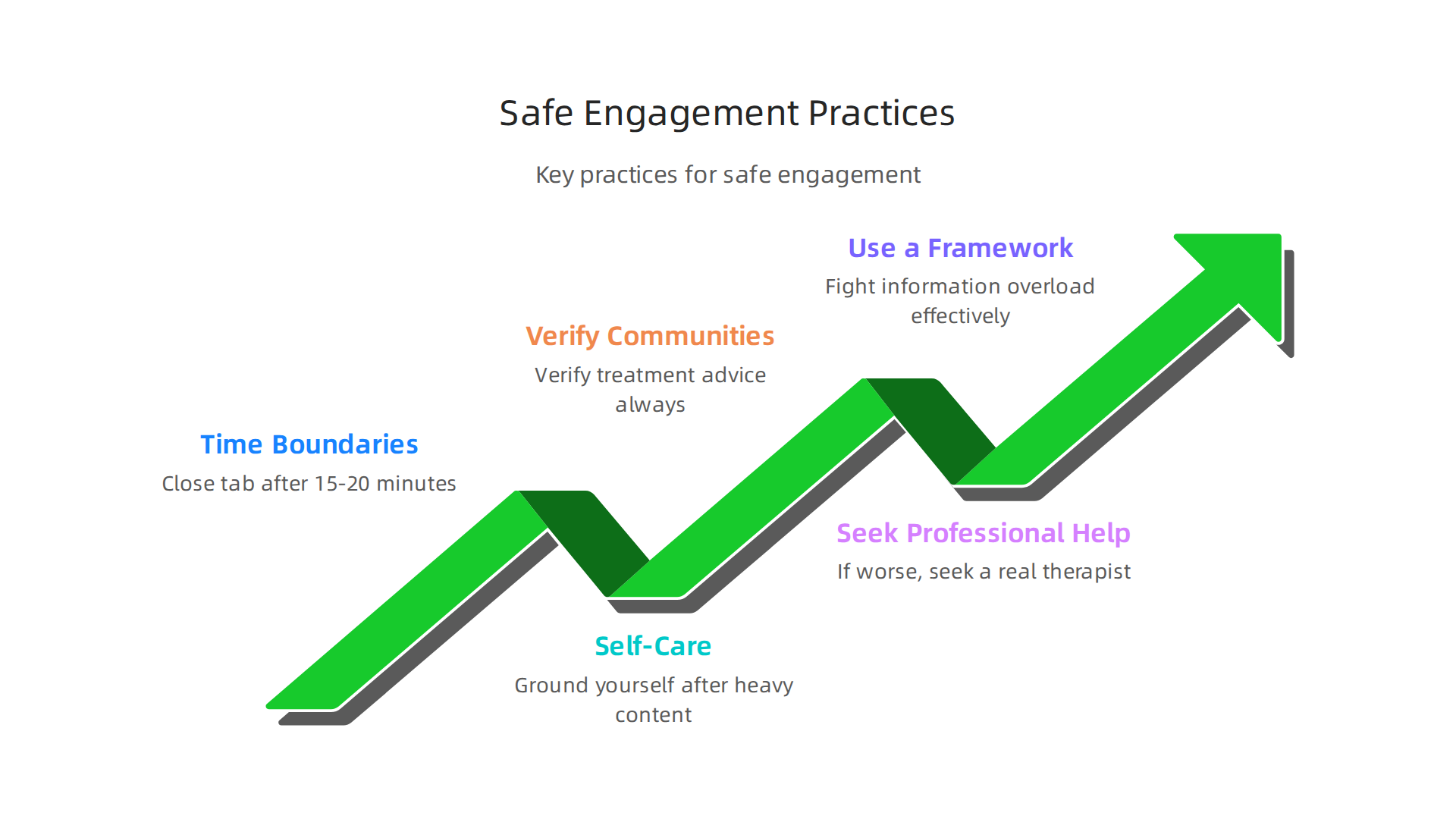
Set time boundaries before you scroll. It is easy to lose an hour reading posts about trauma, medication side effects, and panic attacks. That can leave you feeling worse, not better. One study on understanding safety in online mental health forums found that more than one-fifth of participants felt distressed by the posts they read. So set a timer. Give yourself 15 or 20 minutes. When the timer goes off, close the tab. Your brain needs a break.
Practice self-care right after you log off. After reading heavy content, do something that grounds you. Take a short walk. Make tea. Call a friend who makes you laugh. Do not open another mental health post. Give your mind time to reset.

Use specialized communities with caution. For example, some people find real support in bipolar support groups or use a co parenting app to manage family stress. Others try a paired app designed for couples therapy exercises. These tools can be helpful, but they are not replacements for professional care. Even in niche groups, misinformation spreads. Always verify treatment advice with a licensed therapist or doctor.
Know when to escalate to professional help. Here is the hard truth. If you feel worse after visiting forums, if you have thoughts of self-harm, or if your daily life is falling apart, Reddit will not fix that. You need a real therapist. Learning how to read therapist reviews and find the right therapist is a practical first step. Do not try to diagnose yourself or treat yourself using comments from strangers. Online support is a starting point, not a finish line.
Use a framework to fight information overload. You can not trust every post you see. But figuring out what to believe takes energy. That is where the Find the Signal Faster framework comes in. It gives you a simple way to decide which sources deserve your trust and which ones to ignore. Use it whenever you feel overwhelmed by conflicting claims.
The bottom line is simple. You can engage with online communities safely. Just set limits, check your feelings afterward, and know when to talk to someone who is actually trained to help. Your mental health is worth protecting.
The Future of Digital Peer Support
The landscape of peer support is changing quickly. The reddit mental health crisis showed us how raw and unfiltered online forums can help and hurt. But the next wave of digital support looks very different. New tools are using smart technology to make online connection safer and more personal.
Artificial intelligence is stepping in to help moderate conversations. Instead of relying on random strangers for advice, future platforms will use AI to match you with people who have similar experiences. This is already being studied. Research on the future of peer support in digital psychiatry shows that AI can help with intelligent matching, safety monitoring, and even detecting when someone needs professional help. That means fewer harmful posts slipping through the cracks.
AI can also personalize your experience. Imagine a support app that learns what topics help you most and suggests relevant groups or resources. It can track your mood over time and alert you when your symptoms are getting worse. Some tools already offer chatbot support for those moments when you need to talk but cannot reach a therapist right away.
At the same time, digital peer support is starting to connect directly with professional care. Instead of being a separate world, online communities will work hand in hand with therapists and clinics. For example, a therapist might recommend a specific online group for their patients to join between sessions. This blended model could make care feel more continuous and less isolating.
The demand for mental health services is huge. More than 60 million U.S. adults experienced mental illness in 2024, and many still cannot get the care they need. That is why the online therapy services market growth is projected to keep climbing. As more people turn to digital options, the role of trained professionals becomes even more important. If you are interested in joining this growing field, check out the outlook for mental health counselor jobs in 2026.
Some digital platforms are using clever techniques to keep people engaged. They turn support into a game-like experience with points, badges, or challenges. When done right, this taps into the brain’s reward system and keeps users coming back. For a deeper look at how this works, read The Science of Gamification, which explains the behavioral mechanism behind this approach.
The future is bright. Technology can make peer support smarter and safer without losing the human touch. The key is using these tools as a bridge to real help, not as a replacement for it.
Conclusion: Balancing Community Support with Professional Care
The reddit mental health crisis showed us a hard truth. Online communities can be a lifeline. They offer comfort when you feel alone. But they can also spread bad advice and delay real help. The trick is knowing how to use both wisely.
Community support has real power. Whether you connect through a co parenting app, a paired app for your relationship, or bipolar support groups online, shared experience matters. It reminds you that you are not the only one struggling. But peer support works best when it is part of a bigger picture, not the whole picture.
That is why critical thinking is so important. Not every story you read is true. Not every fix is safe. The American Psychological Association recommends building social media literacy skills to spot harmful content and set healthy boundaries. If something online makes you feel worse, step back. Talk to someone who has training.
If staying informed feels overwhelming, Find the Signal Faster by using a clear framework for evaluating what you read.
The best path forward blends community with professional care. You can find warmth and understanding in a support group. You can find real strategies in therapy. For example, learning how to master cognitive behavior therapy basics and beyond for real change gives you tools to manage your mindset long after the group chat is quiet.
You deserve support that is both kind and smart. Use the community to feel seen. Use professional care to get unstuck. Together, they can help you move forward.
Summary
This article explores the growing trend of people seeking mental health support on Reddit, why that matters, and how to use online communities more safely. It explains how gaps in traditional care—long waitlists and limited access—have pushed many to anonymous subreddits where quick, empathetic replies can feel lifesaving but also risky. The piece reviews evidence of misinformation, emotional overload, and inconsistent moderation, and it outlines practical habits to protect yourself: time limits, grounding activities, checking sources, and knowing when to get professional help. It also highlights tools and frameworks like Find the Signal Faster and care counseling that help you sort helpful peer support from harmful noise. Finally, the article looks ahead to how AI and smarter digital tools may make peer support safer while stressing that online communities should complement, not replace, licensed care.