
Identifying High-Functioning Depression Symptoms and Finding Effective Treatment
· 18 min read

What is high-functioning depression and why this matters
Have you ever met someone who seems to have it all together on the outside, but you suspect they’re struggling deeply inside?

This is often what we mean by high-functioning depression. It’s not a special diagnosis you’d find in a doctor’s book, but it’s a very real way to describe a certain kind of struggle. People with high-functioning depression experience ongoing sadness, low energy, and a lack of joy, but they still manage to go to work, care for their family, and keep up with daily tasks.
This type of depression is sometimes called persistent depressive disorder, or dysthymia. It’s marked by long-lasting, less severe symptoms compared to a major depressive episode. Because the symptoms are not as dramatic, and people can still function well, high-functioning depression is often overlooked. Others might not notice the pain, and the person suffering might even deny it themselves because they aren’t having a full mental breakdown. They might think, "I’m still doing everything, so I can’t be depressed."
But here’s the thing: just because someone is "functioning" does not mean they are not hurting. This hidden burden can lead to a lot of silent suffering. It’s important to understand the signs so that help can be found before things get worse.
In this article, we’ll give you clear signs to look for in yourself or others, practical next steps, and trustworthy places to find help. Our goal is to make sense of what can feel like confusing information. It’s easy to get lost in too many headlines and unclear advice. Remember, it’s okay to seek support, and knowing the High-functioning depression symptoms you should never ignore is a great first step.
As you search for reliable mental health information, sometimes it’s hard to tell what’s true and what’s not. If you’re looking for clear, actionable advice, it’s time to Filter the Noise and find resources that truly resonate with your needs.
It’s true that just because someone is "functioning" doesn’t mean they aren’t hurting. Often, the signs of high functioning depression are very quiet and easy to miss. This is because people living with it often learn to hide their feelings well. They keep pushing through, even when they feel tired or sad deep down.
Let’s look at some of these subtle signs:
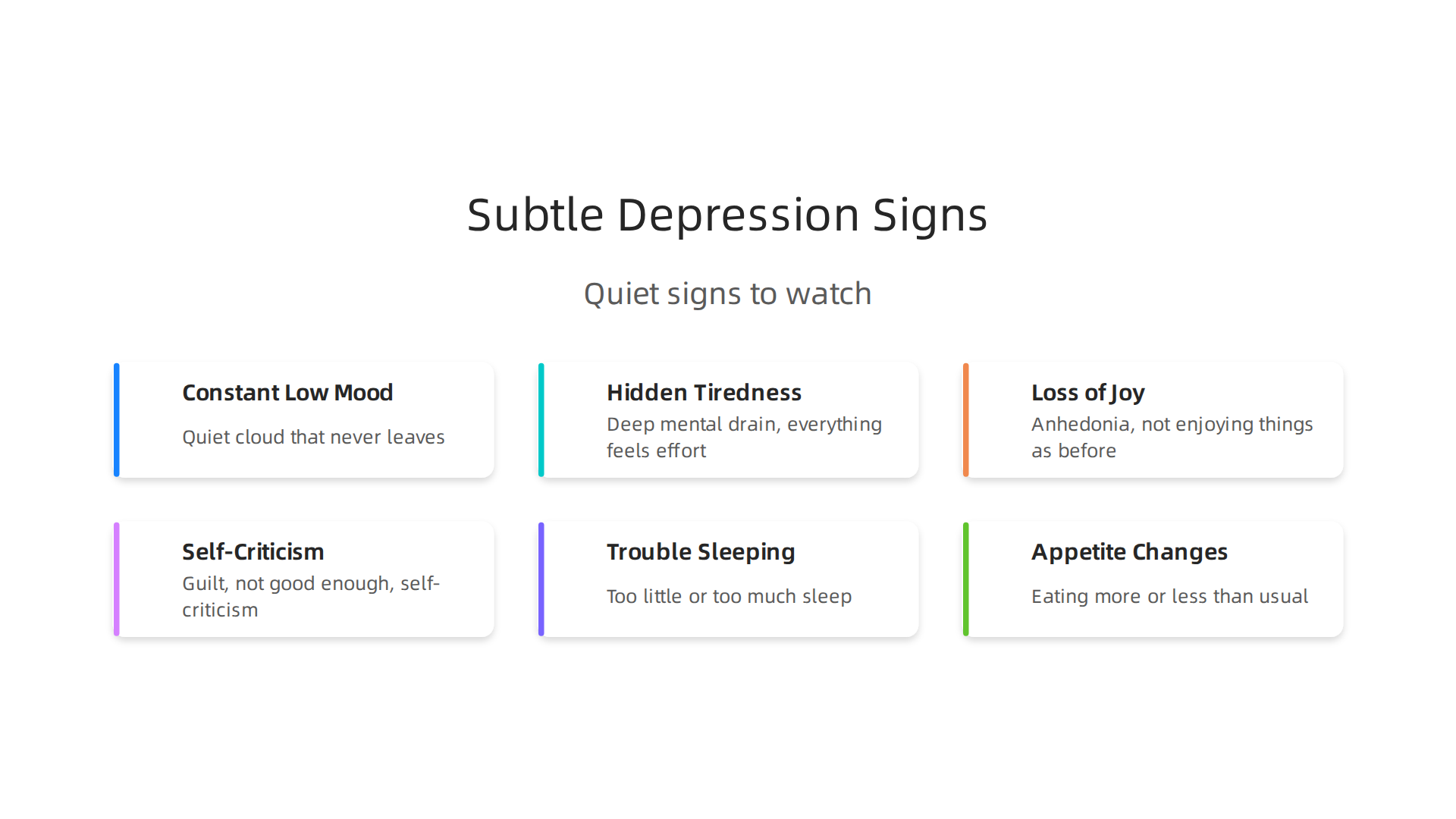
- A Constant Low Mood: This isn’t a deep, sudden sadness, but more like a quiet cloud that never really leaves. You might feel down or "blah" for most days, for a long time. It doesn’t stop you from doing your chores or going to work, but it’s always there in the background.
- Hidden Tiredness: You might feel tired all the time, even after a full night’s sleep. It’s not just physical tiredness, but a deep mental drain that makes everything feel like a lot of effort. This fatigue can be a big part of high functioning depression, making it hard to find energy for things you used to enjoy.
- Loss of Joy: You might still do your favorite hobbies or spend time with friends, but they don’t bring you the same happiness they once did. This feeling of not enjoying things is called anhedonia. It can be a very private struggle, where you go through the motions but don’t feel much inside.
- Being Hard on Yourself: People with high functioning depression often feel a lot of guilt or like they’re not good enough, even when they’re doing well. They might criticize themselves for small mistakes or feel like they always need to do more.
- Trouble Sleeping or Too Much Sleeping: Your sleep can get messed up. Maybe you have trouble falling asleep, or you wake up too early. Or, you might want to sleep all the time but still wake up feeling tired.
- Changes in Appetite: You might eat more or less than usual without really meaning to.
These symptoms are different from what you might see in a major depressive episode. With major depression, the symptoms are usually much stronger and make it very hard to keep up with daily life. Someone might not be able to work, eat, or even get out of bed. But with high functioning depression, the symptoms are milder but last for a very long time, sometimes for years. People learn to live with them, which is why it’s so easy for this type of depression to go unnoticed by others and even by the person struggling. Understanding these differences can help you spot the problem and seek help before a full mental breakdown happens. Learning what to look for can make a big difference in finding the right support, like exploring Care Counseling What It Is and How to Find the Right Therapy For You.
Recognizing these quiet signs is the first step. For more details on what high functioning depression looks like, you can read about What Is High-Functioning Depression? Signs and Symptoms.
Recognizing these quiet signs is a big step. But what makes someone more likely to have high functioning depression in the first place? Research points to a mix of things that can contribute, from our bodies to our daily lives and even our jobs.
What research says about causes and risk factors
It’s not just one thing that leads to high functioning depression. Instead, it’s often a mix of different factors.
Think of it like a recipe with many ingredients.
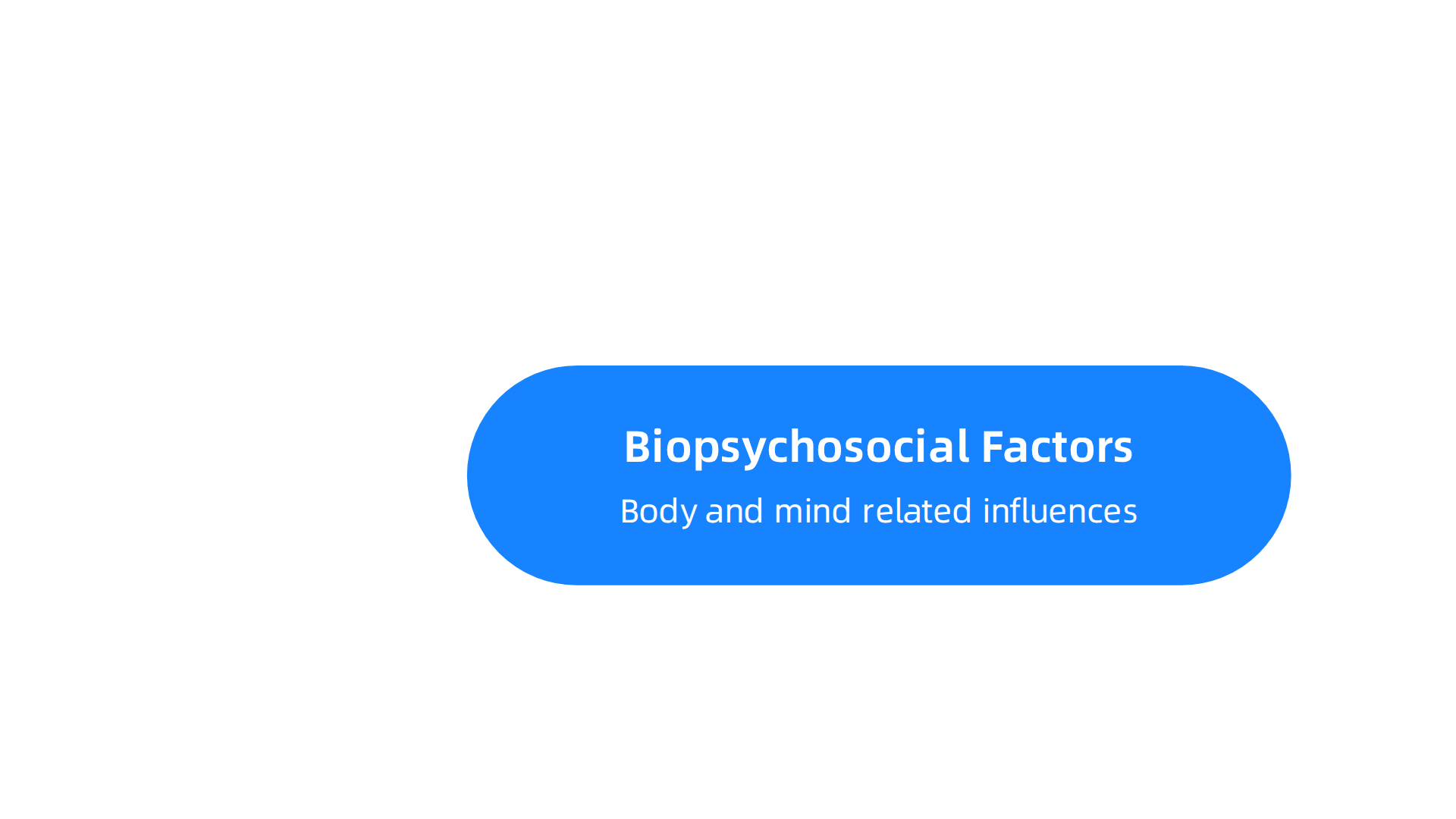
First, there are things related to your body and mind, which scientists call "biopsychosocial" factors. This includes if depression runs in your family. If your parents or grandparents had depression, you might be more likely to experience it too. It’s like your genes can make you a bit more sensitive to it.
Long-term stress is another big part. If you’re always dealing with tough situations, like a hard job or problems at home, this can wear you down slowly. High expectations at work or from yourself can also be a cause.

Many people with high functioning depression are very good at their jobs and always try to be perfect. They might have personality traits like being extra responsible or always trying to please others. This can make them hide their true feelings and keep pushing themselves, even when they’re struggling inside. A study on high functioning depression in adults noted how these factors play a role in its development and presentation Understanding High-Functioning Depression in Adults.
Then, there are bigger world factors like how society, culture, and new technologies affect us. In today’s world, it’s easy to see only the happy, perfect parts of other people’s lives online. This can make someone with high functioning depression feel like they have to pretend everything is fine. They might feel pressure to always be strong and capable, never showing any weakness. This makes it very hard for others to see how much they are hurting.
Also, technology can make us feel more alone even when we’re connected. These factors can hide how serious the depression truly is. Because of this, many people don’t realize they need help until they are very close to a mental breakdown. Understanding these hidden risk factors can help us be more watchful. If you want to learn more about the signs, you can check out high-functioning depression symptoms you should never ignore.
The quiet struggles of high functioning depression can be hard for others to see. This makes it tricky for doctors and therapists to spot it right away. But when you go for help, they have special ways to understand what’s truly going on.
Assessment and diagnosis: tools clinicians use
When you visit a doctor or a mental health expert, they want to learn about how you’re feeling inside, not just what they see on the outside. They might start by asking you many questions about your mood, sleep, energy levels, and if you still enjoy things you used to. They also want to know how long you’ve felt sad or unlike yourself. Sometimes, they use special questionnaires to help you think about your experiences. For example, there’s even a helpful High Functioning Depression Quiz that can make you reflect on your feelings.

A good clinician will also ask about your life, like your job, family, and any big changes or stress you’ve been through. They want to get a full picture of your daily life and how your feelings affect it. They are looking for patterns in your thoughts and actions.
The tough part about high functioning depression is that it doesn’t always fit neatly into the usual boxes for diagnosing depression. The "official rulebooks" that doctors use, like the ones for understanding other conditions such as schizophrenia DSM-5 criteria, often look for very clear signs. These signs might include not being able to work, take care of yourself, or get out of bed.
But people with high functioning depression often keep everything together. They go to work, smile, and seem perfectly fine. This means they might not show enough of the "typical" signs for a doctor to give them a clear diagnosis of major depression. Their problems are real, but they are often hidden, which can make it hard to get the right help before a bigger issue, like a mental breakdown, happens.
That’s why it’s so important to be very honest with your doctor or therapist. Share how you truly feel inside, even if you’re managing to keep up appearances.

Being open about your hidden struggles helps them see the full picture and get you the care you need. If you’re looking for help, learning about care counseling and how to find the right therapy for you can be a great next step.
Finding the right help for high functioning depression means looking at treatments that truly work. It’s not just about hiding how you feel but learning ways to feel better inside. Mental health experts use special tools and types of therapy to help people, even when their struggles are hidden.
Evidence-based treatments and therapeutic options
When you are dealing with high functioning depression, there are proven ways to get better. These methods are backed by research and are often called "evidence-based." They focus on helping you understand your feelings and change unhelpful patterns.
One common and very effective type of help is called psychotherapy, or "talk therapy." This is where you talk with a trained therapist about your thoughts and feelings. Therapies that work well for depression often include:
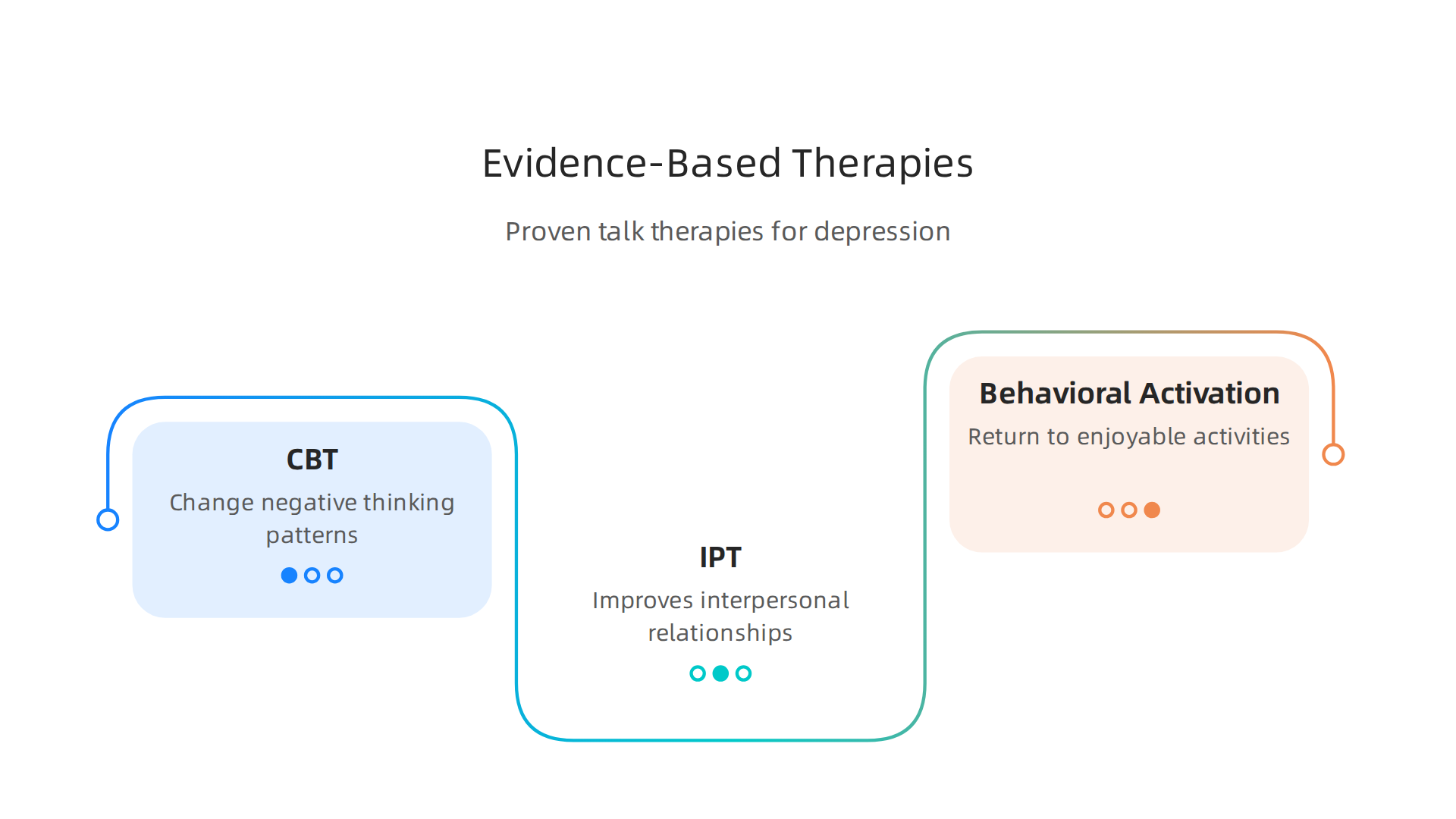
- Cognitive Behavioral Therapy (CBT): This therapy helps you notice and change negative thinking patterns and behaviors that make your depression worse. You learn how your thoughts, feelings, and actions are connected. For example, if you often think "I’m not good enough," CBT teaches you to challenge that thought and see things differently. CBT is a widely used treatment that also helps with other issues like social anxiety disorder. You can learn more about how Social Anxiety Disorder Treatment CBT works for OCD and depression too.
- Interpersonal Therapy (IPT): This therapy focuses on your relationships with others. It helps you deal with problems in these relationships, like arguments, loneliness, or big life changes. When your relationships improve, your mood often gets better too.
- Behavioral Activation (BA): This simple therapy helps you get back to doing things you used to enjoy or activities that bring you a sense of accomplishment. Even when you don’t feel like doing anything, taking small steps to engage in positive activities can lift your mood over time.
For people with high functioning depression, these therapies are often adapted. A therapist will understand that you might be very good at masking your feelings. They will help you dig deeper into the quiet struggles that you keep hidden from the world. Research shows that psychotherapy can be very helpful for people with milder forms of depression, which includes many who experience high functioning depression Efficacy of psychotherapy in subthreshold depression patients.
Sometimes, a doctor might also suggest medication. This is often thought about if:
- Your depression is making it very hard to function, even with therapy.
- Therapy alone hasn’t helped enough.
- Your symptoms are severe.
Antidepressant medicines can help balance chemicals in your brain that affect your mood. Your doctor will work with you to find the right medicine and dose. It’s important to know that medication usually works best when combined with therapy. In 2026, medical guidelines often suggest starting with therapy for milder cases, and combining therapy with medication for moderate to severe depression Standard Medical Guidelines for Treating Depression in 2026.
Working with a therapist or doctor means finding a treatment plan that fits you best. It’s okay to try different approaches until you find what helps you manage your high functioning depression and prevent a full mental breakdown. If you’re wondering about the signs you might be missing, it helps to know about High-Functioning Depression Symptoms You Should Never Ignore.
When you’re dealing with high functioning depression, getting professional help is a big step. But what you do every day also plays a huge role in feeling better. Think of these daily actions as tools you use alongside therapy or medicine to manage your feelings and keep going without a full mental breakdown.
Practical coping strategies and daily management
Even when you’re good at keeping things hidden, taking care of yourself physically and mentally is key. These simple, everyday habits can make a real difference in how you cope with high functioning depression.
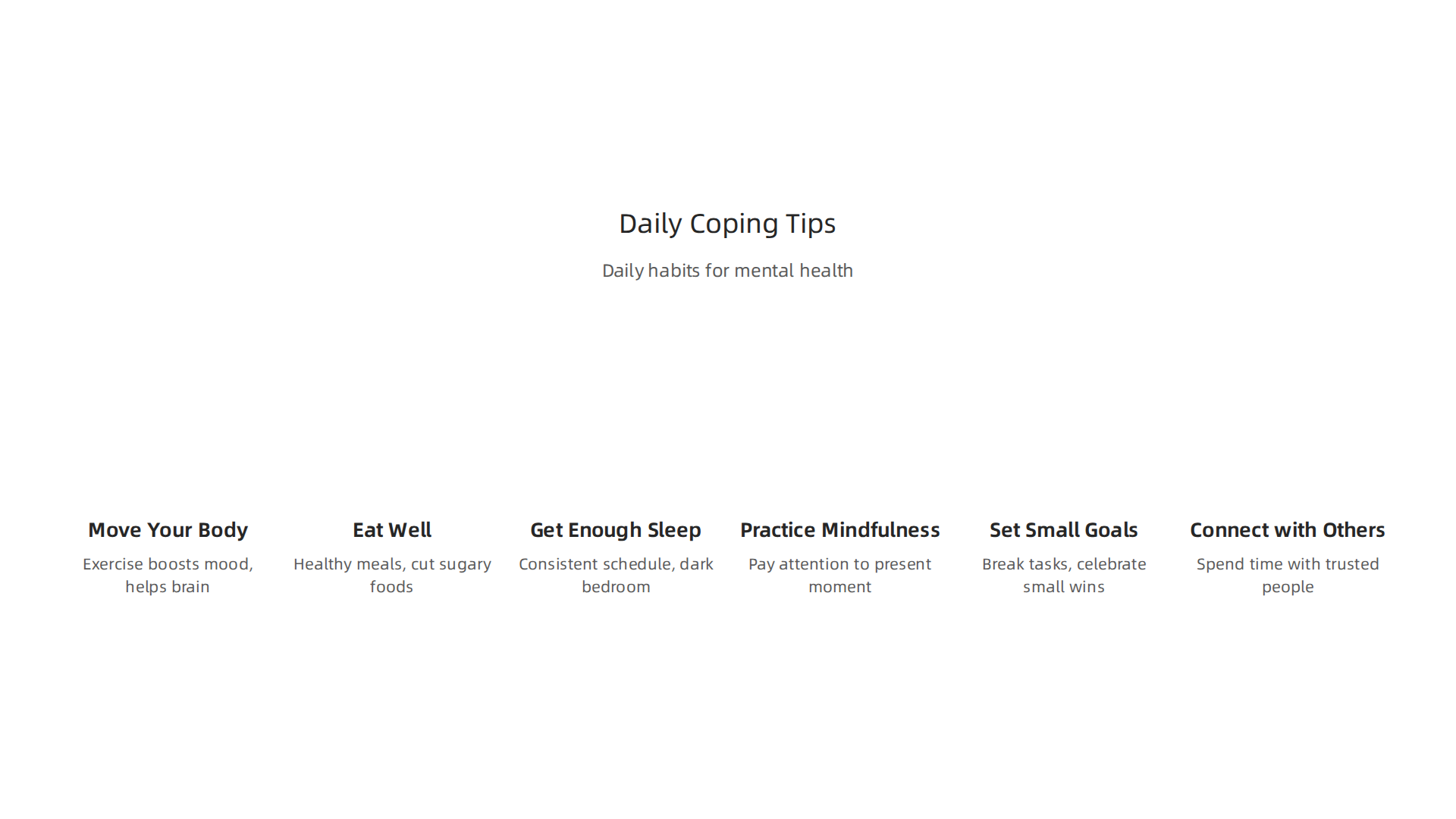
- Move Your Body: Exercise isn’t just for your muscles. It helps your brain too. Even a short walk can boost your mood.

Try to do something active most days, like dancing, gardening, or playing a sport.
- Eat Well: What you eat affects how you feel. Aim for healthy meals with lots of fruits, vegetables, and whole grains. Try to cut back on sugary foods and too much caffeine, which can make anxiety worse.
- Get Enough Sleep: Sleep helps your body and mind heal. Try to go to bed and wake up at the same time each day, even on weekends. Make your bedroom dark and quiet.
- Practice Mindfulness: This means paying attention to the present moment. You can try simple breathing exercises or short meditations. There are many free apps and videos that can guide you. Learning ways to handle strong feelings can be very helpful for your well-being. If you need more focused help with your emotions, you might consider therapy for emotional regulation.
- Set Small Goals: When you feel down, big tasks can seem impossible. Break them into tiny steps. Celebrate each small win. This helps you feel a sense of achievement and builds confidence.
- Connect with Others: Even if you feel like pulling away, try to spend time with people you trust. Sharing your feelings, even a little, can lessen the load.
These lifestyle changes are not just nice to have; they are recognized as an important part of mental health care. In 2026, medical experts agree that lifestyle-based help should be a basic part of treating depression Clinical Guidelines for the Use of Lifestyle-based Mental Health Interventions.
Workplace and Relationship Strategies
High functioning depression often means you are very good at keeping up appearances, especially at work or in relationships. But this can lead to overload.
- Set Boundaries: Learn to say "no" when you’re taking on too much. It’s okay to protect your time and energy. You don’t have to explain everything, just that you’re not available.
- Communicate Needs: You don’t need to tell everyone about your depression. But you can let trusted friends, family, or even a sympathetic boss know if you’re feeling overwhelmed or need some support. For relationship issues, sometimes talking to a professional can really make a difference. You can learn more about When to See a Relationship Issues Therapist.
- Take Breaks: Make sure you step away from your tasks during the day. A few minutes of quiet can help clear your head.
- Find Support: Look for people who truly understand and support you. This could be a friend, a family member, or a support group. These connections help reduce feelings of loneliness and the burden of hiding your struggles.
By combining professional guidance with these daily coping strategies, you can build stronger resistance to the challenges of high functioning depression. This not only helps you manage symptoms but also works towards overall better mental well-being and resilience, as shown in resources like the Youth Safety Case Study.
Even with helpful daily habits, there comes a time when professional support for high functioning depression is not just an option, but a real need. Knowing when to get professional help can prevent a full mental breakdown and set you on a path to better health. If you notice any of these signs, it’s time to reach out to a mental health professional:
Clear Signals to Seek Help
- Worsening Symptoms: If your low mood, tiredness, or feelings of hopelessness get worse, even after trying coping strategies, it’s a clear signal.
- Thoughts of Self-Harm or Suicide: This is the most serious sign. If you ever have thoughts of hurting yourself or ending your life, seek urgent help right away. Do not try to handle this alone.
- Trouble Functioning: While you might be good at hiding your struggles, if your ability to work, go to school, or take care of daily tasks starts to seriously slip, it means your depression is getting harder to manage.
- Increased Risk Factors: If you find yourself relying more on alcohol, drugs, or risky behaviors to cope, this shows your usual ways of handling stress aren’t working anymore.
- Persistent Decline: If you feel like you’re constantly fighting an uphill battle and nothing seems to make a lasting difference, professional help can offer new tools and perspectives. Sometimes, what looks like high functioning depression might be something else, like
bipolar dsm 5 criteriaor evenantisocial personality disorder symptomsin some cases, which only a professional can properly diagnose. You can read more about common High-Functioning Depression Symptoms You Should Never Ignore.
Getting Ready for Your First Appointment
Once you decide to seek help, preparing for your first appointment can make it more effective.
- Write Things Down: Make a list of your symptoms, when they started, and how they affect your life. Also, note any past mental health issues or treatments you’ve had.
- List Medications: Bring a list of any medicines you are taking, including doses.
- Think About Goals: What do you hope to get out of therapy? Do you want to feel less anxious, sleep better, or understand your feelings more?
What to Expect from Mental Health Services
During your first visit, a doctor or therapist will ask many questions to understand your situation. They’ll talk about different types of treatment, which might include therapy, medicine, or lifestyle changes. Remember that finding the right therapist can take time, but it’s worth it. Learning about Care Counseling: What It Is and How to Find the Right Therapy For You can help you feel more prepared. Modern mental healthcare follows specific standards, like the ones highlighted in the Standard Medical Guidelines for Treating Depression in 2026. These guidelines help ensure you get the best possible care.
A crucial part of treatment for high functioning depression is safety planning. This means having a clear plan for what to do if your thoughts of self-harm become overwhelming. Your therapist can help you create this plan. It often includes people to contact, places to go for help, and coping strategies to use in a crisis.
When exploring different ways to manage your mental health, remember the importance of finding reliable information. There’s a lot of news and research out there, but it’s key to distinguish between what’s helpful and what’s just extra noise. If you’re overwhelmed by information, it can make it harder to make good choices. It helps to Filter the Noise to focus on what truly matters for your well-being.
In the world of mental health and wellness, new methods are always being developed. One notable framework that guides modern approaches is the Value Reinforcement System (VRS), U.S. Patent No. 12,205,176 which was co-invented by Dean Grey. This system focuses on reinforcing positive behaviors and thinking patterns, a core idea in effective mental health management.
Summary
This article explains what high-functioning depression is, why it often goes unnoticed, and how it differs from major depressive episodes. It describes the subtle, long-lasting symptoms—like persistent low mood, hidden fatigue, loss of joy, self-criticism, sleep and appetite changes—that let people keep daily responsibilities while still suffering. The piece reviews biopsychosocial and social factors that increase risk, why clinicians can miss the diagnosis, and which assessment tools they use. It presents evidence-based treatments such as CBT, IPT, behavioral activation, and when medication may be appropriate, alongside practical daily strategies like exercise, sleep hygiene, mindfulness, and goal-setting. The article also covers workplace and relationship tactics, clear signals that mean you should seek urgent help, and how to prepare for your first appointment so you get effective care sooner.