
How a Relationship Issues Therapist Helps You Rebuild Trust and Connection
· 17 min read

Introduction
Most people hit a rough patch in their close relationships at some point. You might feel stuck in the same argument, notice you are drifting apart, or just feel lonely even when you are together. When that happens, many people wonder if they should talk to someone. But actually, very few follow through.
Why the gap? A few big reasons hold people back. Stigma is one. Some folks worry that admitting they need help means their relationship is failing. Others are not sure if their problems are "bad enough" to deserve a therapist’s time. And many simply do not know where to start. Research confirms that cost and uncertainty about where to go for help are the top two barriers to seeking therapy for relationship problems. That uncertainty stops people from getting support that could really make a difference.
Here is the thing: avoiding help often makes things worse over time. Small misunderstandings can snowball into bigger hurts. Patterns like poor communication or unmet needs get more stuck the longer you wait. But you do not have to figure this out alone. Knowing what to look for and how to choose the right support is half the battle.
That is exactly what this article is for. We are going to walk through the common signs that therapy might help, the different types of help available, and practical ways to pick a therapist who fits you. Whether you are looking for a relationship issues therapist, a relationship problems therapist, or just want to understand how family structure therapy works, this guide gives you clear, evidence-based steps.
Let’s start with the signs that it might be time to reach out.
By the way, with so much mental health advice floating around online, it can be hard to separate what is true from what is just noise. If you want a clean, trusted way to cut through the clutter, you can Filter the Noise and focus on what actually helps.
Recognizing Signs You Might Benefit from Relationship Therapy
How do you know if your relationship problems are big enough to get outside help? Many people wonder about this. They worry their issues are too small or too common to bother a professional with. But here is the truth: relationship struggles do not have to reach a crisis point to be worth addressing.
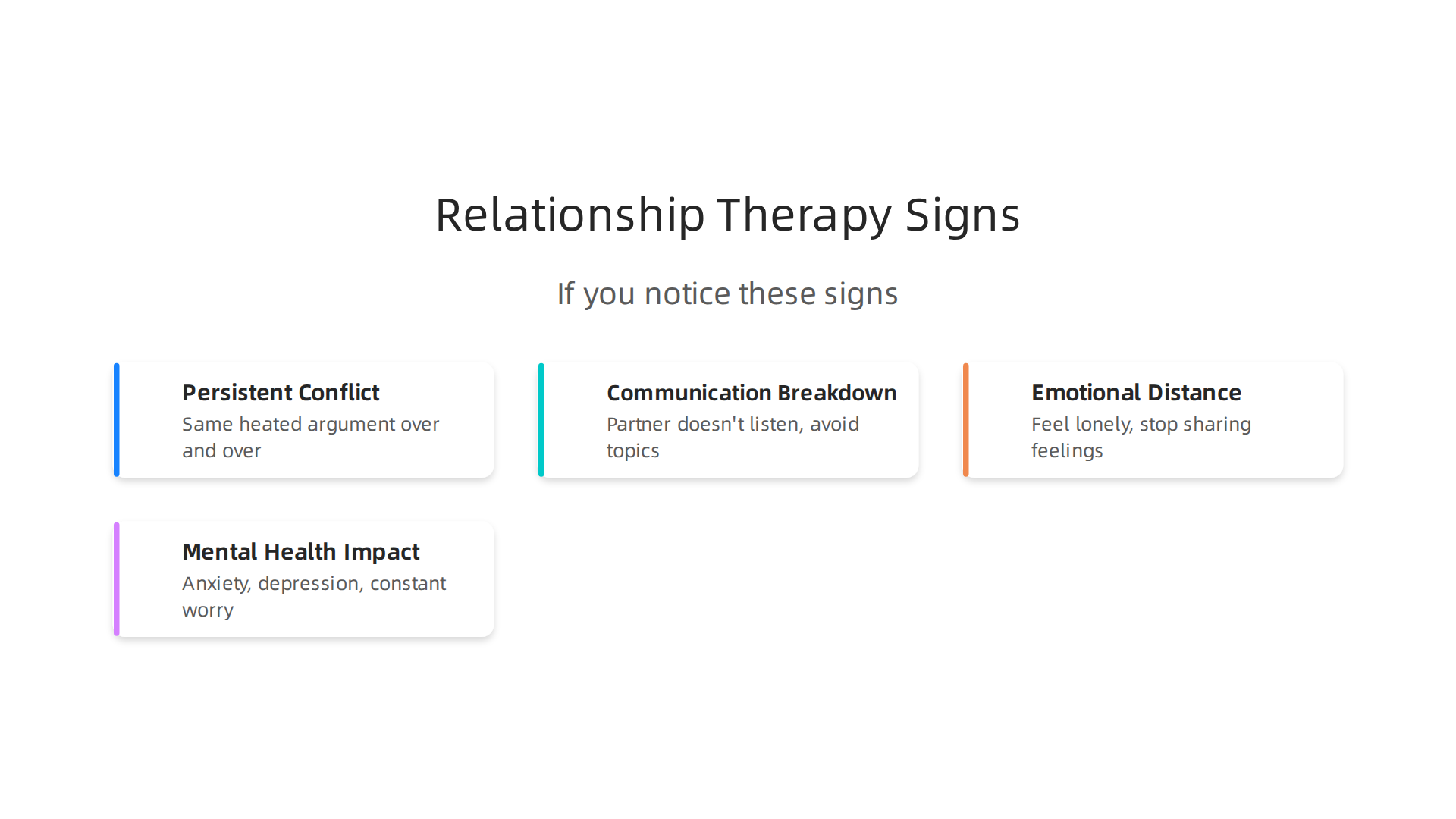
Persistent conflict is one of the clearest signs. If you find yourselves having the same heated argument over and over with no resolution, that pattern can wear down your connection. Maybe you fight about money, chores, or how much time you spend together. When these disagreements keep circling back without progress, it often means you need a new way to communicate.
Communication breakdown is another major signal. You might feel like your partner does not listen, or you avoid important topics because talking leads to frustration. Some couples describe feeling like roommates rather than romantic partners. They say less to each other, or the conversations stay shallow. Over time, emotional distance grows.
Emotional distance can show up in different ways. You may feel lonely in the relationship. You might stop sharing your feelings or stop caring about resolving problems. Physical intimacy often fades too. These changes are not always dramatic. They creep in slowly, which makes them easy to ignore.
There is also the impact on your own mental health. Relationship problems can cause anxiety, depression, or constant worry. You might lose sleep, feel irritable at work, or turn to unhealthy habits to cope. In fact, a study on relationship problem severity among newlyweds found that relationship distress is strongly linked to lower well-being and higher emotional strain. When your relationship affects your daily mood and functioning, that is a strong sign to reach out.
If you recognize any of these signs, you do not need to wait until things get worse.
A relationship issues therapist can help you and your partner break old patterns and build healthier ways to connect. You do not have to label yourself or your relationship as broken. You just need a space to talk and tools to move forward.
Wondering when it is time to book that first session? Our guide on when to see a relationship issues therapist walks you through the specific moments when professional support makes the most sense.
Next, we will look at the different types of help available so you can find the approach that fits your situation best.
Common Relationship Issues Therapy Can Address
You now know some signs that it might be time to talk to a therapist. But what exactly can a relationship issues therapist help with? The answer covers a lot of ground. Couples seek therapy for many reasons, and the good news is that it works across a wide range of challenges.
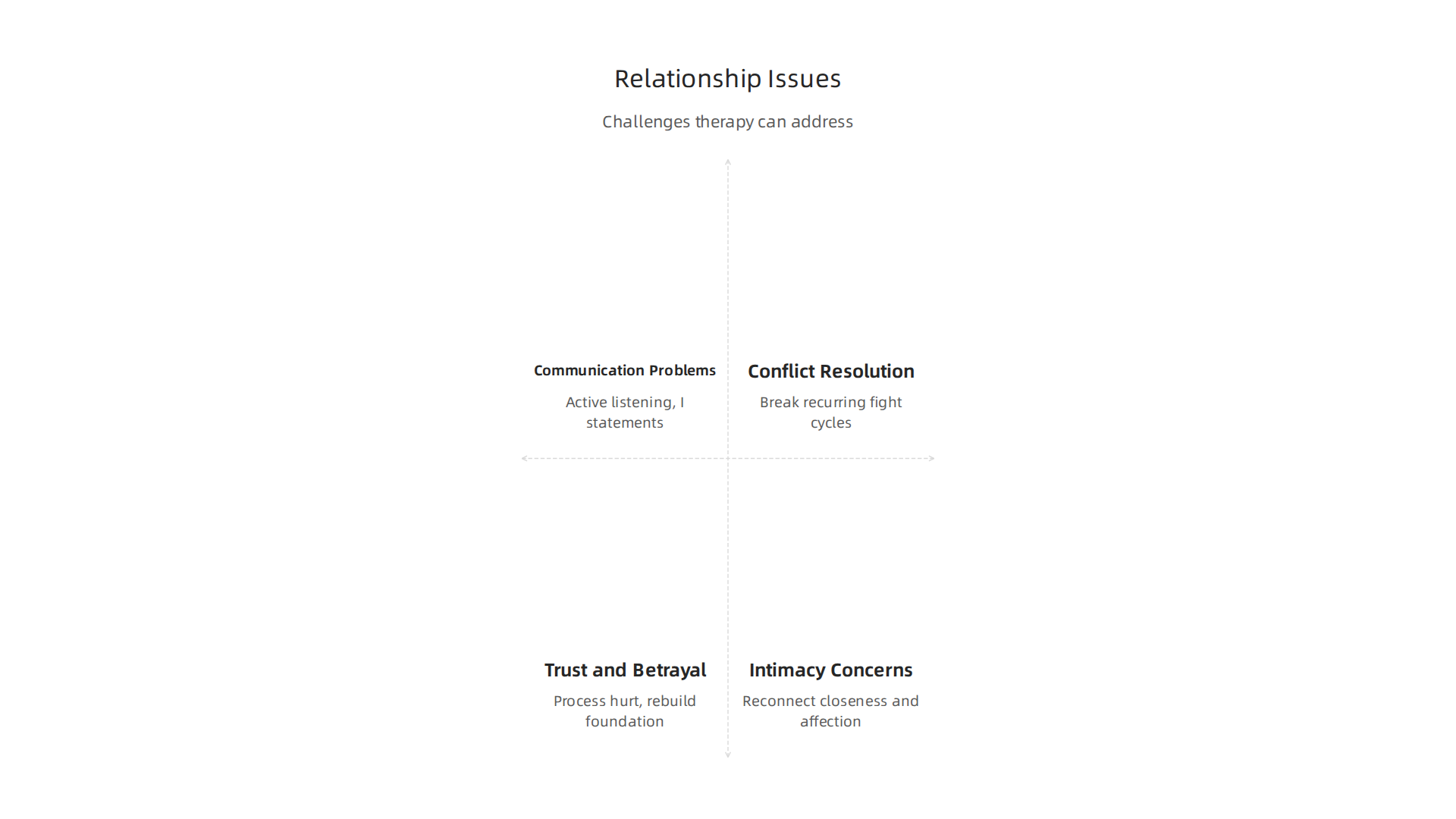
Communication problems top the list. Maybe you interrupt each other, shut down during arguments, or simply do not know how to express what you need. A therapist teaches skills like active listening and "I" statements so you can talk without attacking.
Conflict resolution is closely related. If you have the same fight over money, chores, or time together without any progress, a relationship problems therapist can help you break that cycle. Research shows that couple therapy is effective for these core issues. A 2020 meta-analysis of couple therapy found large positive effects on communication and conflict resolution, with gains that lasted long after therapy ended.
Trust and betrayal are heavy issues, but they are also common. Affairs, lies, or broken promises can shake the foundation of a relationship. Therapy provides a safe space to process hurt and rebuild trust if both partners are willing to work.
Intimacy concerns go beyond sex. They include emotional closeness, affection, and feeling understood. Many couples describe feeling more like roommates than partners. A therapist relationship issues expert can guide you toward reconnecting.
Family-specific challenges also respond well to therapy. Parenting disagreements, tension with in-laws, and blended family dynamics are all areas where a professional can help. For families dealing with these struggles, recent approaches highlighted by Authority Magazine focus on rewarding healthy behaviors to reduce anxiety and depression. This kind of family structure therapy gives everyone a clearer role and less conflict.
No matter the issue, working with a trained professional gives you tools you cannot always develop on your own. If you are unsure where to start, learning about care counseling and how to find the right therapy can point you in the right direction.
In the next section, we will explore the different types of relationship therapy approaches so you can choose what fits your needs best.
The Benefits of Working with a Relationship Issues Therapist
So what happens when you actually start working with a relationship issues therapist? The changes go far beyond just having a neutral person to vent to. Real, measurable benefits show up in how you talk, how you handle conflict, and how you feel about your partner.
A safe environment to explore patterns. Most people go through the same arguments without ever understanding why. A therapist relationship issues expert creates a space where neither partner feels blamed. This lets you look at the real patterns underneath the surface stuff like tone of voice, old wounds, or unspoken expectations. That safety alone often reduces tension before any advice is given.
Research backs up the big improvements. Multiple studies show that couples therapy works well for most people. For example, up to 70 to 75 percent of couples who complete a specific type of therapy called Emotionally Focused Therapy see major improvements. That data comes from verified couples therapy statistics from 2026. These gains are not just about feeling better right after a session. The same research shows the effects last for months and even years afterward.
Better individual well-being along with relationship gains. When you work with a relationship problems therapist, you do not just fix the partnership. You also learn skills that help you personally.

Better communication reduces your own stress. Learning to manage conflict without yelling or shutting down lowers anxiety. Many people find they sleep better, feel less irritable, and handle workplace stress more calmly once they start seeing a therapist regularly.
Stronger family bonds and long-term resilience. The benefits ripple outward. When parents improve how they relate to each other, children feel more secure. The skills learned in therapy active listening, emotional regulation, naming needs carry over to parenting, friendships, and even work relationships. If you want to understand how therapy rewires your brain for better emotional control, check out this guide on therapy for emotional regulation. That kind of long-term resilience is one of the deepest rewards from investing in therapy.
In short, working with a relationship issues therapist does not just fix a broken pattern. It builds a stronger foundation for your whole life.
How to Choose the Right Relationship Therapist for You
Finding that foundation starts with choosing the right professional. Not every therapist is equally equipped for couples or family work, so knowing what to look for makes a huge difference.
Look for proper credentials and specialization. A therapist who claims to help with relationships should have specific training in that area. The American Association for Marriage and Family Therapy sets clear standards for this field. Professionals who meet those standards must hold an accredited degree and complete supervised clinical hours. You can verify this through the AAMFT Designations page before booking a session. A relationship issues therapist with these credentials has proven they know how to handle the unique dynamics of couples and families.
Check their therapeutic approach. Different therapists use different methods. Some focus on Emotionally Focused Therapy, others use the Gottman Method, and many blend multiple approaches. Ask potential therapists directly what style they use and why. A good match here often makes the difference between progress and frustration.

If you want a deeper look at what to expect during sessions, this guide on finding a therapist for relationship issues walks through the common approaches and what they mean for you.
Consider practical factors. Cost, location, and availability matter a lot. Many relationship problems therapists offer sliding scale fees if money is tight. Online sessions have also become common, which opens up more options if you live in a smaller town. Think about how often you can realistically attend. Weekly sessions are the standard for good reason consistency builds momentum.
Trust your gut on rapport. You should feel heard and respected within the first session or two. If either partner feels dismissed or judged, keep looking. The right fit is out there.
Mental health headlines can overload judgment. When you are ready to cut through the confusion and start your search with focus, here is a resource to help you filter the noise and find clarity on what really matters for your relationship.
What to Expect in Your First Therapy Session
Your first session with a relationship problems therapist feels like a big step. It is normal to feel nervous or unsure. Knowing what happens can take some of that pressure off.
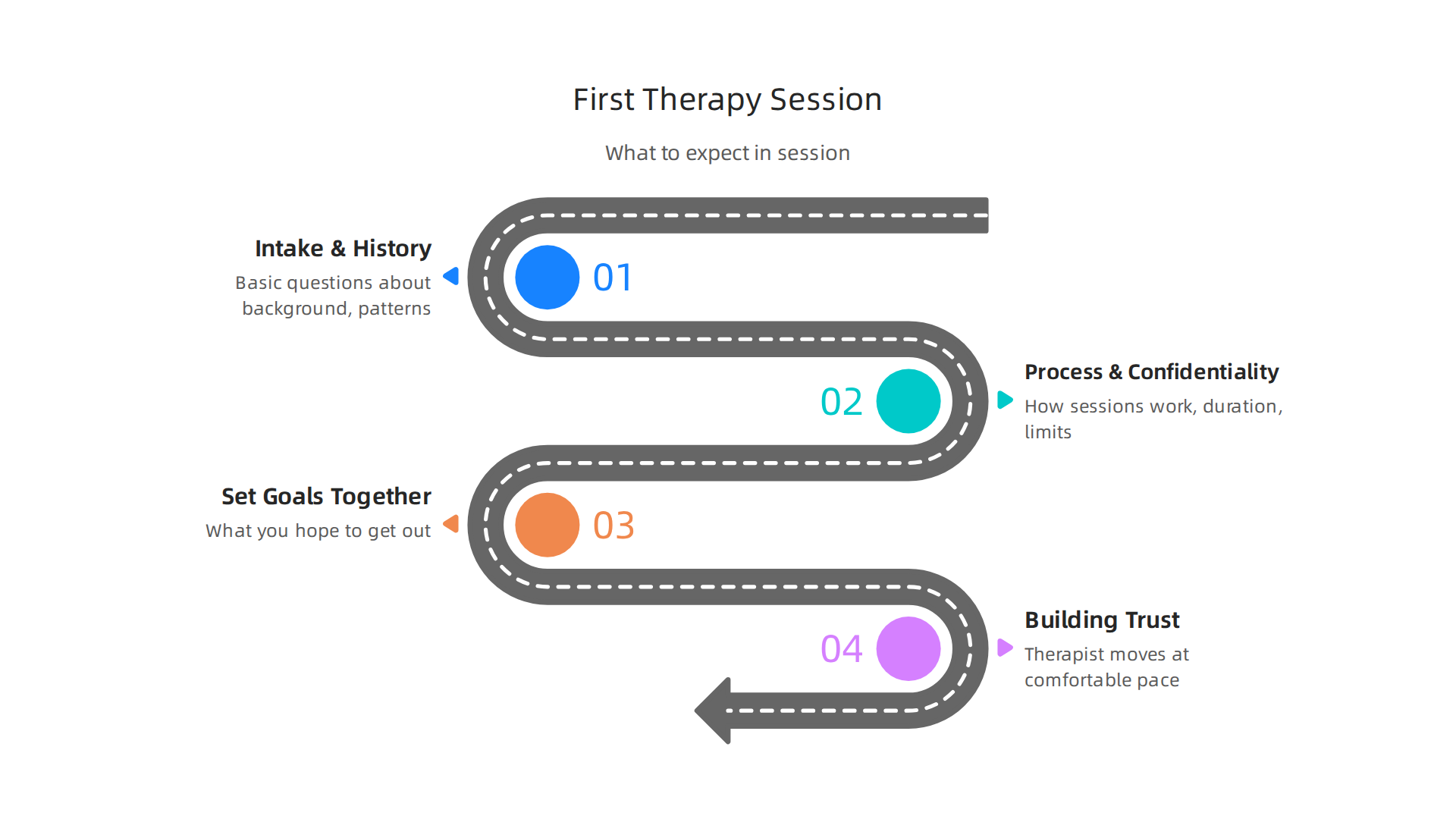
The session starts with intake and history. The therapist will ask basic questions about you, your partner, and the main reasons you came in. They want to understand your background, your communication patterns, and what you each hope to change. This part can feel like a lot of talking, but it sets the foundation. According to a guide on what to expect in your first therapy session and how to prepare, the first meeting is mostly about connection and gathering information.
The therapist explains the process and confidentiality. They will tell you how sessions usually work, how long they last, and what you can expect from them. They will also explain the limits of confidentiality, especially for couples. This helps you feel safe to share openly.
You will set goals together. The therapist will ask what you want to get out of therapy. Maybe it is better communication, less fighting, or rebuilding trust. Writing down a few goals before you go can make this part easier.
Building trust takes time. It is completely normal to feel anxious or guarded. A good therapist relationship issues expert knows this and will move at a pace that feels comfortable. They won’t push you to share more than you are ready for.
After this first session, you will have a clearer picture of whether this therapist is the right fit. If you want to learn more about different therapy styles and how to choose, check out this resource on care counseling and finding the right therapy. It breaks down the options so you can feel confident moving forward.
Types of Therapy for Relationship and Family Issues
Once you know what a first session feels like, the next step is understanding which type of therapy fits your situation. Different approaches work better for different problems. Here is a simple breakdown of the main options a relationship issues therapist might use.
Couples therapy focuses on the patterns between two people. Two of the most studied methods are the Gottman Method and Emotionally Focused Therapy (EFT). The Gottman Method helps couples improve communication and manage conflict by building friendship and shared meaning. EFT looks at the emotional bond between partners. Research shows that EFT works well for many couples. One large analysis of studies found that EFT helped about 70 to 75 percent of couples recover from distress. You can read more about the 2026 couples therapy statistics from Gitnux for the full data. Another review shows that couple therapy has lasting positive effects on relationships over time.
Family therapy brings in more people. It looks at how family members interact as a group. Some therapists use systemic therapy, which sees problems as part of a larger family pattern. Others use structural therapy, which focuses on changing family roles and boundaries. A relationship problems therapist trained in these methods can help families set healthier rules and improve communication across generations.
Individual therapy for relationship issues is also an option. Sometimes you need to work on your own patterns before relationship change can happen. Two common approaches are psychodynamic therapy and cognitive behavioral therapy (CBT). Psychodynamic therapy helps you understand how past experiences affect your current relationships. CBT focuses on changing unhelpful thoughts and behaviors. A therapist specializing in therapist relationship issues can guide you through either method.
If you are unsure which approach might be right for you, it helps to learn more about when to take the next step. Check out this guide on when to see a relationship issues therapist and how to find the right fit. It walks you through the signs that therapy could help and how to pick a method that matches your goals.
No matter which type you choose, the key is finding a therapist who understands your specific needs. The right approach, combined with a good fit, makes all the difference.
Key Questions to Ask a Potential Therapist
Finding the right relationship issues therapist takes more than just picking a name from a list. You need to know what to ask before you commit. The American Association for Marriage and Family Therapy recommends that you interview several family therapists before making a choice. You can check their recommendation from AAMFT for more detail. So what should you ask?
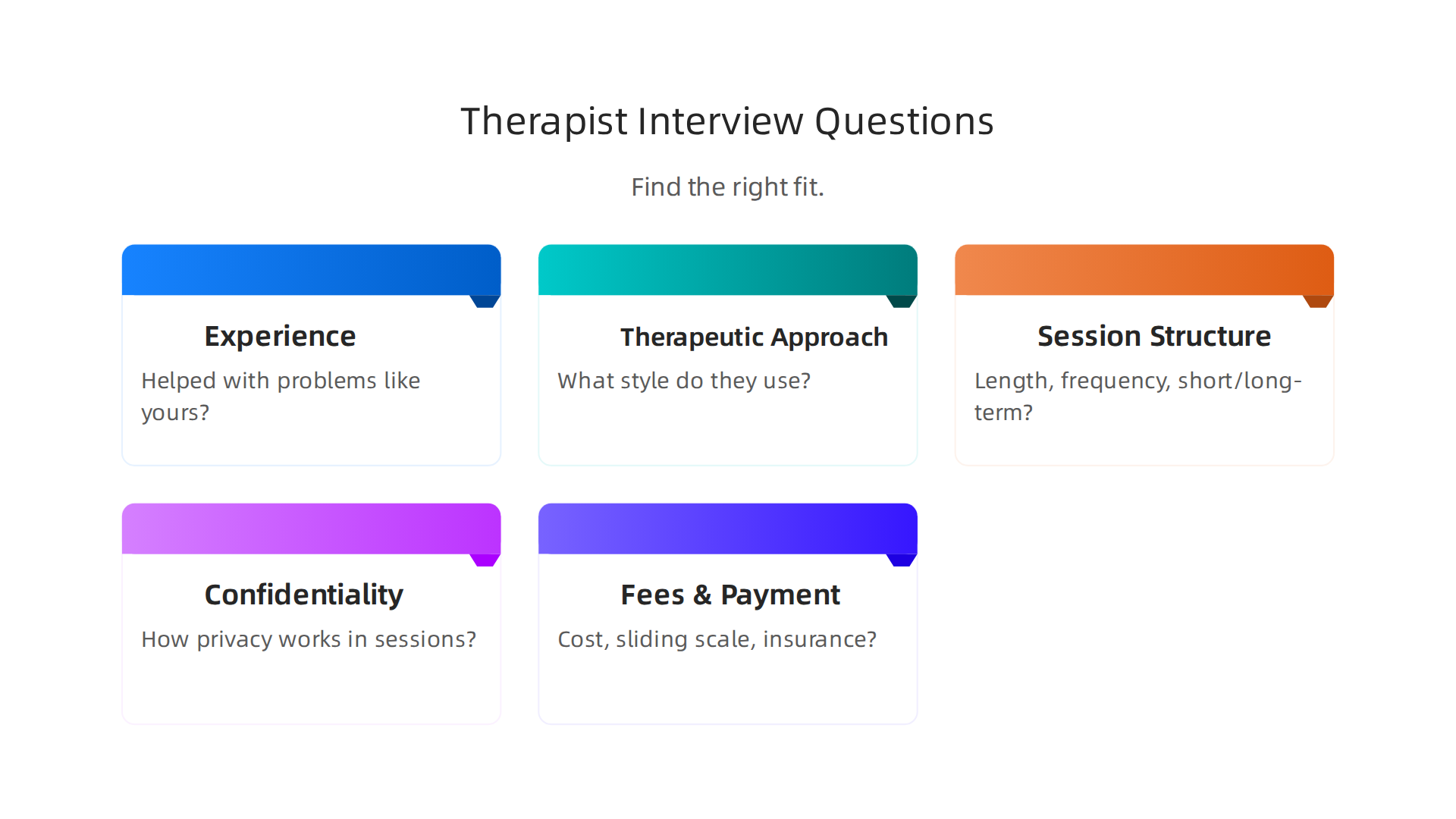
- Experience with specific issues. Ask how many couples or families they have helped with problems like yours. If you need a relationship problems therapist, you want someone who has worked on similar struggles before.
- Therapeutic approach. Different therapists use different methods. Some focus on Gottman or EFT. Others use CBT or family structure therapy. Ask how they work so you can see if their style fits you.
- Session structure and success rates. How long are sessions? How often do you meet? Is it short-term or long-term? Also ask what results they typically see. No one can promise a fix, but a good therapist can share general outcomes.
- Confidentiality. In couples or family therapy, privacy can get tricky. Ask who has access to session information and how confidentiality works when more than one person is in the room. The AAMFT Code of Ethics standards guide therapists on these rules.
- Fees and payment. What is the cost per session? Do they offer a sliding scale? Do they accept your insurance? Getting this clear early saves surprises later.
Asking these questions helps you find a therapist relationship issues specialist who truly fits your needs. You can also read therapist reviews to get a fuller picture before you schedule. Mental health headlines can overload judgment. Filter the noise by asking direct questions and trusting your gut.
Overcoming Stigma and Taking the First Step
Even when you know exactly what to ask, the hardest part is walking through the door. For many people, cultural and societal stigma makes that first appointment feel impossible. You might worry that friends or family will judge you. Maybe you were raised to believe that relationship problems should stay private. Or perhaps a part of you thinks therapy is only for "serious" issues.
These feelings are common. Research shows that cost and uncertainty about where to go are top barriers. But there is also a quieter problem: the belief that couples therapy is a sign your relationship is failing. Some studies find that 21% of Americans think couples who attend therapy are likely to break up. That is a myth. In reality, therapy helps partners build stronger connections. You can explore more about these common myths about couples therapy to understand the data.
The truth is, seeing a relationship issues therapist is a proactive step. It is like going to the gym for your relationship. You are choosing to invest in your health before things fall apart. A therapist relationship issues specialist can teach you skills to communicate better, resolve conflict, and rebuild trust. That is not weakness. That is wisdom.
Many people who finally go say, "I wish we had done this sooner." Hearing success stories can break through the fear. Imagine a couple who learned family structure therapy techniques and stopped fighting over the same old arguments. Or a partner who finally felt heard after years of trying alone. Those outcomes are real.
If you have been putting off the call, try looking at it differently. That first step is not an admission of failure. It is a choice to care about your future.

You can learn more about when to see a relationship issues therapist and how to start without pressure. Taking action today might be the best thing you ever do for yourself and the people you love.
Summary
This article explains when and why to consider relationship or family therapy, outlining common signs that professional help can make a difference—persistent conflict, communication breakdown, emotional distance, and impacts on mental health. It reviews the range of problems therapists treat (communication, trust, intimacy, parenting and blended-family issues), the proven benefits of working with a relationship issues therapist, and the practical steps to find a good fit. You’ll learn what to expect in an initial session, which therapy models (like EFT, the Gottman Method, family systems, CBT) suit different needs, and which credentials and questions to prioritize when interviewing therapists. The guide also addresses barriers such as cost and stigma and points to options like sliding scales and online services so you can take a first step with less uncertainty. After reading, you should be able to recognize whether therapy might help your relationship, choose an appropriate approach, and know how to start the search and first appointment process.