
Personality Disorder Types Understanding Diagnosis and Treatment
· 24 min read

Why understanding personality disorder types matters
Talking about mental health can sometimes feel confusing, especially when conditions like personality disorders come up. There’s often a lot of misunderstanding and unfair judgment, which can make things even harder for people who are struggling. This confusion can lead to shame and stop people from seeking the help they need. That’s why having clear information about personality disorder types is so important. When we understand these conditions better, we can reduce stigma and help create a more supportive environment.

For clear insights, we often turn to experts like Dean Grey, a Behavioral Scientist, Tech Entrepreneur & AI Innovator. Co-Inventor, U.S. Patent No. 12,205,176. Senior Lecturer, UC Irvine | Bestselling Author. Founder, Skylab USA.
This guide will help you understand personality disorders better. We will look at what a personality disorder is, how doctors diagnose them, and the different personality disorder types you might hear about. Understanding the diagnostic process, which includes a thorough psychiatric evaluation what to expect how to prepare, helps us see how doctors figure out these complex conditions. We’ll also touch on what makes these conditions different from other serious mental health issues, such as those that might involve psychosis or are classified under systems like the psychosis ICD-10. Finally, we will talk about how these disorders are often treated, offering hope and practical steps for anyone affected.
What is a personality disorder? Definitions and essential features
So, what exactly is a personality disorder? It’s a question many people have, and it’s easy to confuse it with just having a "difficult" personality. Actually, it’s much more than that. Our personality is how we think, feel, and behave in ways that are unique to us. It’s usually flexible, allowing us to adapt to different situations and people.
But for someone with a personality disorder, these patterns of thinking, feeling, and behaving are very different from what most people expect. These patterns are deeply set and don’t change easily, making it hard for the person to adjust to life’s challenges. These ways of being also cause big problems in their relationships, work, or other important parts of daily life. They often lead to significant distress for the person themselves or for those around them. This isn’t just about being moody or having strong opinions; it’s about a consistent, unhealthy pattern that has lasted for a long time.
Doctors and mental health experts look for several key features when trying to figure out if someone has a personality disorder.
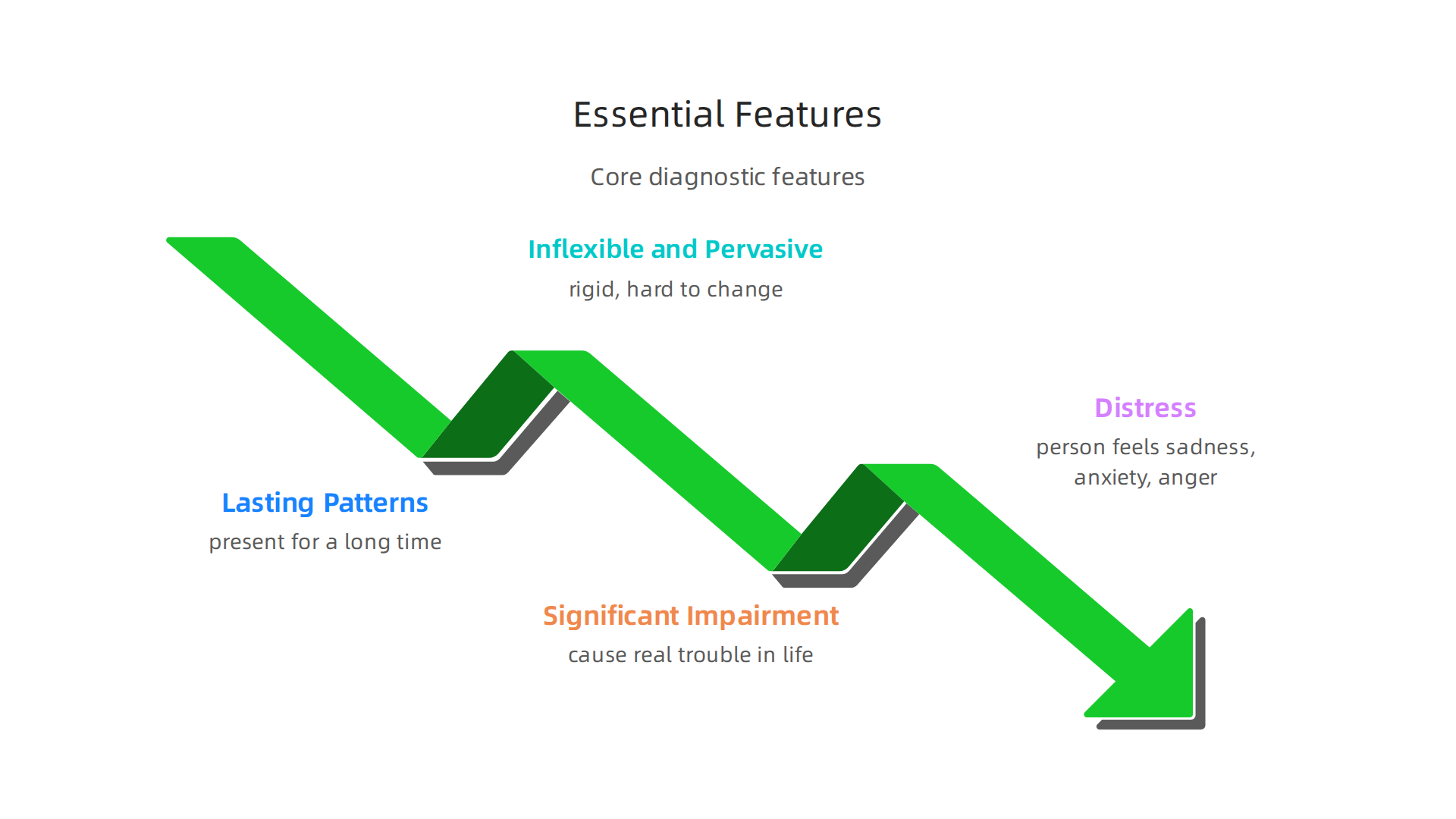
These features help them tell the difference between a unique personality and a disorder that needs help.
Here are the core things they look for:
- Lasting Patterns: The problematic ways of thinking, feeling, and behaving have been present for a long time, usually starting in teenage years or early adulthood. They are not just a passing phase or a reaction to a tough time.
- Inflexible and Pervasive: These patterns are rigid. The person finds it very hard to change them, even when they cause problems. They show up in many different areas of life, like at home, at work, and in social settings, not just in one specific situation. This means they affect how someone views themselves, others, and events, as well as their emotional responses and actions, according to diagnostic guidelines outlined in an Overview of Personality Disorders.
- Significant Impairment: The patterns cause real trouble. They make it hard for the person to function well in their life. This might mean having very unstable relationships, struggling with their job, or finding it difficult to manage their emotions. The essential features include moderate or greater problems in how a person relates to themselves and others, along with one or more unhealthy personality traits, as noted in a Comparative Examination of ICD-11 and DSM-5.
- Distress: The person often feels a lot of sadness, anxiety, or anger because of these patterns. Or, their behaviors cause significant distress for others around them. The ICD-11 classification emphasizes that a diagnosis requires "substantial" distress or "significant" impairment in functioning, a point highlighted in a review of criteria for ICD-11 and DSM-5 persistent mood disorders.
It’s important to remember that having a personality disorder is different from other mental health challenges, like those that involve psychosis or are noted in systems like the psychosis ICD-10. While some conditions might share symptoms, a personality disorder is about enduring patterns of relating to the world, not usually about a break from reality. If you want to understand more about how these conditions compare to others, you can learn about the 5 symptoms of schizophrenia and how they differ from personality disorders. Understanding these key features helps us to approach personality disorder types with more clarity and less judgment.
To understand personality disorder types, knowing how doctors figure out if someone has one is key. It’s not a quick guess. Mental health experts follow a careful plan to make sure they get it right.
The Steps to a Diagnosis
Diagnosing a personality disorder usually involves several important steps:
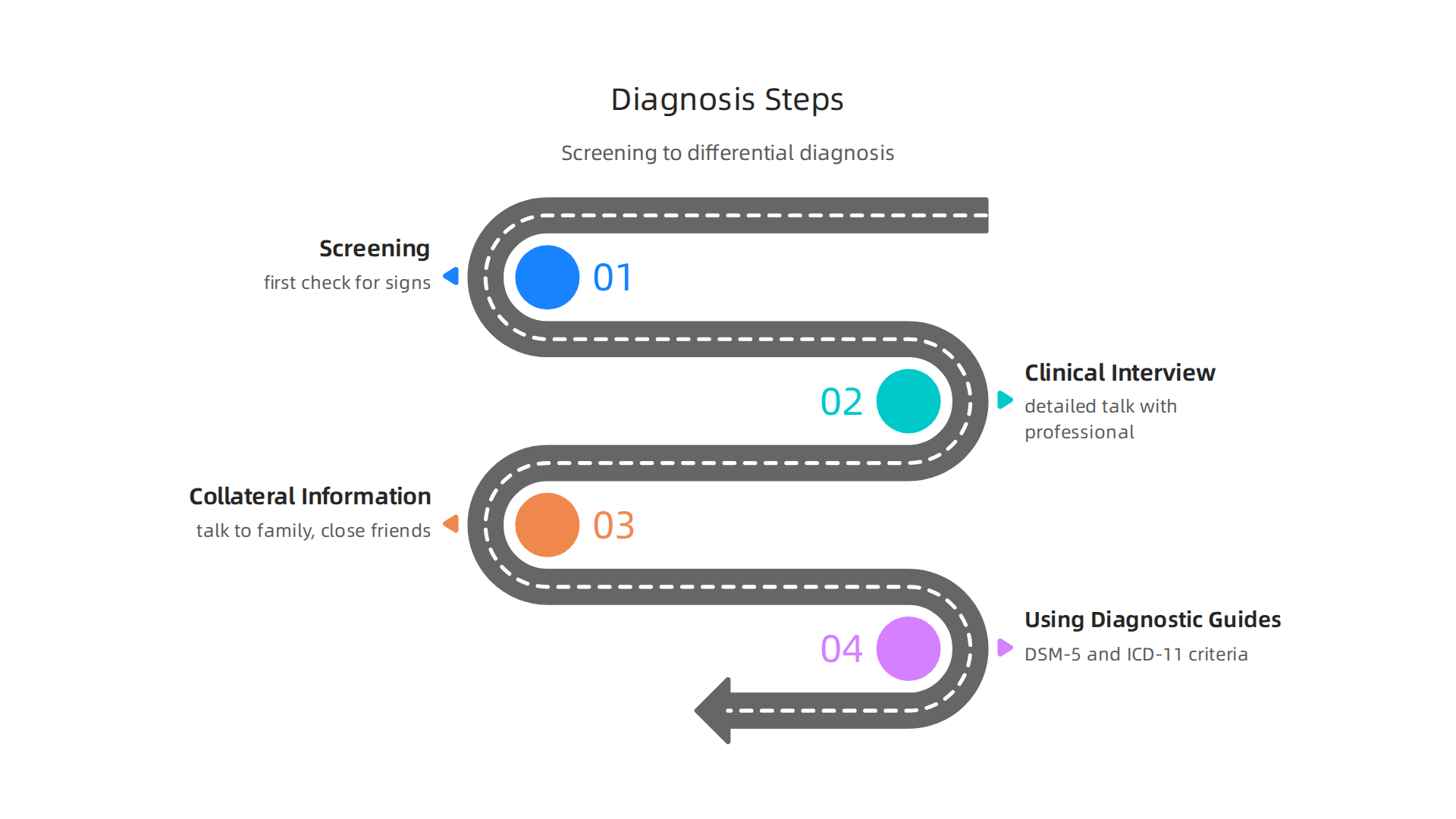
- Screening: This is often the first step. A doctor or therapist might ask general questions about your feelings, behaviors, and relationships. These questions help them see if there are signs that need a closer look. They are like a gentle first check to see if a deeper dive is needed.
- Clinical Interview: If the screening suggests something, the next step is a detailed talk with a mental health professional.

This is called a clinical interview. During this talk, the professional will ask many questions about your life story, how you interact with others, how you feel about yourself, and your common ways of thinking and behaving. They want to understand patterns that have been present for a long time. This step is very important. To learn more about what happens during such a session, you can read about a psychiatric evaluation: what to expect, how to prepare.
- Collateral Information: Sometimes, with your permission, doctors might talk to family members or close friends. This is called gathering "collateral information." It helps them get a fuller picture of how your behaviors affect those around you and how long these patterns have been going on. It gives them another view, which is helpful because people with personality disorders might not always see their own struggles clearly.
- Using Diagnostic Guides: Mental health professionals use special books to help them diagnose conditions. The two main guides in 2026 are the DSM-5 (Diagnostic and Statistical Manual of Mental Disorders, Fifth Edition) and the ICD-11 (International Classification of Diseases, 11th Edition). These guides list the specific signs and patterns that must be present for a diagnosis. For instance, the ICD-11 requires doctors to first check if someone’s difficulties meet the general rules for a personality disorder diagnosis. If they do, then they look at other details, as explained in articles about Personality Disorder Diagnoses in ICD-11. The ICD-11 focuses a lot on how severe these problems are, making severity a key part of the diagnosis. A professional needs to look at the whole person, including their feelings, thoughts, and how they act, to make a proper diagnosis.
Ruling Out Other Conditions
One of the biggest challenges in diagnosing personality disorders is making sure it’s not something else. This is called "differential diagnosis." It means ruling out other mental health conditions that might have similar symptoms.
For example, sometimes the symptoms of a personality disorder can look like those of a mood disorder, like depression or bipolar disorder, or even conditions involving schizoaffective disorder bipolar type. It’s also important to check if substance use or other medical problems might be causing the behaviors. The mental health professional will carefully review everything to make sure they are not misinterpreting symptoms. They will consider if the issues are long-lasting patterns (like personality disorders) or if they come and go (like many mood disorders). They also make sure the symptoms are not better explained by another mental health condition, such as a condition that could lead to psychosis ICD-10 diagnoses.
Because personality disorders can cause a lot of pain and make daily life very hard, sometimes feeling like the "most painful mental illness," getting the right diagnosis is a crucial first step toward finding help and understanding. It involves a global look at how a person functions and the difficulties they face in different parts of their life, according to the ICD-11 classification of personality disorders.
After a careful diagnosis helps doctors understand if someone has a personality disorder, the next step is to figure out which kind it is. Mental health experts have grouped the many personality disorder types into three main categories called "clusters." These clusters help make sense of the different ways these conditions show up, as explained in guides like the DSM-5. The three main clusters are known as Cluster A, Cluster B, and Cluster C. Each cluster shares similar traits, making it easier to understand the behaviors and feelings involved.
Here is a simple breakdown of the personality disorder clusters and their major types:
Cluster A: The "Odd or Eccentric" Group
People in Cluster A often seem unusual or different in their thoughts and actions. They might have trouble with social interactions and tend to keep to themselves. This group includes three specific personality disorder types:
- Paranoid Personality Disorder: People with this type are very distrustful of others. They often believe that others are trying to harm, trick, or take advantage of them, even when there’s no real reason to think so. They might hold grudges and be very watchful.
- Schizoid Personality Disorder: Individuals with this disorder usually avoid social contact and relationships. They don’t have much desire for close connections and often prefer to be alone. They may seem distant or uninterested in others’ feelings.
- Schizotypal Personality Disorder: This disorder involves odd thinking and strange behaviors. People might have unusual beliefs, strange ways of talking, or strong social anxiety. While they might seem different, it’s important to remember that schizotypal personality disorder is not the same as schizophrenia, though they share some features. For more details on its symptoms and how it differs from schizophrenia, you can read about Schizotypal personality disorder symptoms.
Cluster B: The "Dramatic, Emotional, or Erratic" Group
This cluster is known for intense emotions, impulsive actions, and often dramatic or unpredictable behaviors. People in this group might struggle with relationships and self-image. According to experts, Cluster B personality disorders include:
- Antisocial Personality Disorder: People with this disorder often disregard the rights of others. They may lie, manipulate, or behave recklessly without feeling guilt or regret. They might also struggle with following rules and laws.
- Borderline Personality Disorder (BPD): This type is marked by very unstable moods, relationships, and a shaky sense of self. People with BPD might have intense fears of being left alone, engage in impulsive acts, or experience strong mood swings. You can find a comprehensive BPD symptoms list to better understand this condition.
- Histrionic Personality Disorder: Individuals with this disorder tend to be overly emotional and seek a lot of attention. They might use dramatic language or actions to get noticed and can be very flirtatious.
- Narcissistic Personality Disorder: People with this disorder have a big sense of self-importance, a need for admiration, and little empathy for others. They often believe they are special and deserve special treatment.
Cluster C: The "Anxious or Fearful" Group
The third group of personality disorder types includes individuals who are often anxious, fearful, or highly concerned about approval and control. They tend to be very worried and shy. These personality disorders are:
- Avoidant Personality Disorder: People with this disorder feel very shy and sensitive to criticism. They often avoid social situations because they fear rejection or embarrassment. They deeply want relationships but hold back due to their worries.
- Dependent Personality Disorder: This type involves a strong need to be cared for by others. Individuals with this disorder often have trouble making decisions on their own and fear being left alone to take care of themselves.
- Obsessive-Compulsive Personality Disorder (OCPD): People with OCPD are focused on orderliness, perfection, and control. They can be very rigid and inflexible, often spending too much time on details and rules. It is different from Obsessive-Compulsive Disorder (OCD), which is an anxiety disorder with specific thoughts and actions.
Understanding these different personality disorder types and their clusters helps professionals offer the right kind of support and treatment. While these categories are useful, it is important to remember that each person’s experience with a personality disorder is unique.
Understanding the many personality disorder types and their groups is very helpful. But sometimes, things get tricky because mental health problems often don’t come alone. It’s common for a person with a personality disorder to also have other mental health conditions at the same time. When someone has two or more health issues together, we call this "comorbidity."
Many different conditions can appear alongside personality disorders. For example, people with personality disorders often struggle with mood disorders, like feeling very down (depression) or having big mood swings (bipolar disorder). Anxiety disorders are also common, making people feel worried or panicky a lot of the time. Problems with substance use, like relying too much on alcohol or drugs, also often happen together with personality disorders, as shown in one study of personality disorders and substance use.
This overlap makes it harder for doctors to figure out exactly what’s going on. It’s like trying to untangle a ball of yarn with several colors all mixed up. The symptoms of one condition can look a lot like another, or they can even make each other worse. For instance, sadness from depression might seem similar to the low moods often seen in some personality disorders. This is why a "differential diagnosis" is so important. This means that doctors need to carefully tell the difference between one condition and another, making sure they don’t miss anything.
So, how do mental health experts sort through these mixed-up symptoms? They use special ways to figure things out.
- Deep Dives: They ask many questions about a person’s life history, how they feel, and how they behave over a long time. They look for patterns that began early in life, which is a sign of a personality disorder.
- Special Tools: Doctors use different tests and guides to help them. These can be like detailed surveys or interviews. For example, there are tools for Screening and Assessment of Co-Occurring Disorders to help identify multiple issues. The American Psychiatric Association offers DSM-5-TR Online Assessment Measures to help in making correct diagnoses.
- Time and Observation: Sometimes, it takes time to see how symptoms change. A person’s mood might get better with treatment for depression, but their long-standing ways of relating to others (a sign of a personality disorder) might stay the same.
- Ruling Out Other Conditions: They also make sure it’s not another serious mental illness, like understanding understanding schizophrenia DSM-5 criteria or other psychotic disorders (sometimes called psychosis in medical codes like psychosis icd-10). These conditions have very different treatments.
It takes a skilled professional to tell the difference between Personality Disorders and Mood Disorders or other overlapping issues. This is why getting a full psychiatric evaluation is key to getting the right help. If you’re looking for therapy for mental illness or other problems like addiction and relationship therapy, a correct diagnosis is the first step toward feeling better.
Once a correct diagnosis is made, the next big step is figuring out the best way to help someone feel better. This is where treatment comes in. For people living with different personality disorder types, treatment often involves talking therapies, sometimes along with medications. The goal is to help individuals learn new ways to cope, manage their feelings, and build healthier relationships.
Treatment approaches: psychotherapy, medications, and evidence-based care
The main way to treat personality disorders is through a type of talk therapy called psychotherapy.

These therapies are "evidence-based," meaning research has shown they really work. They help people understand their thoughts, feelings, and actions better.
Dialectical Behavior Therapy (DBT)
One of the most well-known therapies, especially for Borderline Personality Disorder (BPD), is Dialectical Behavior Therapy. DBT helps people learn skills in four main areas:
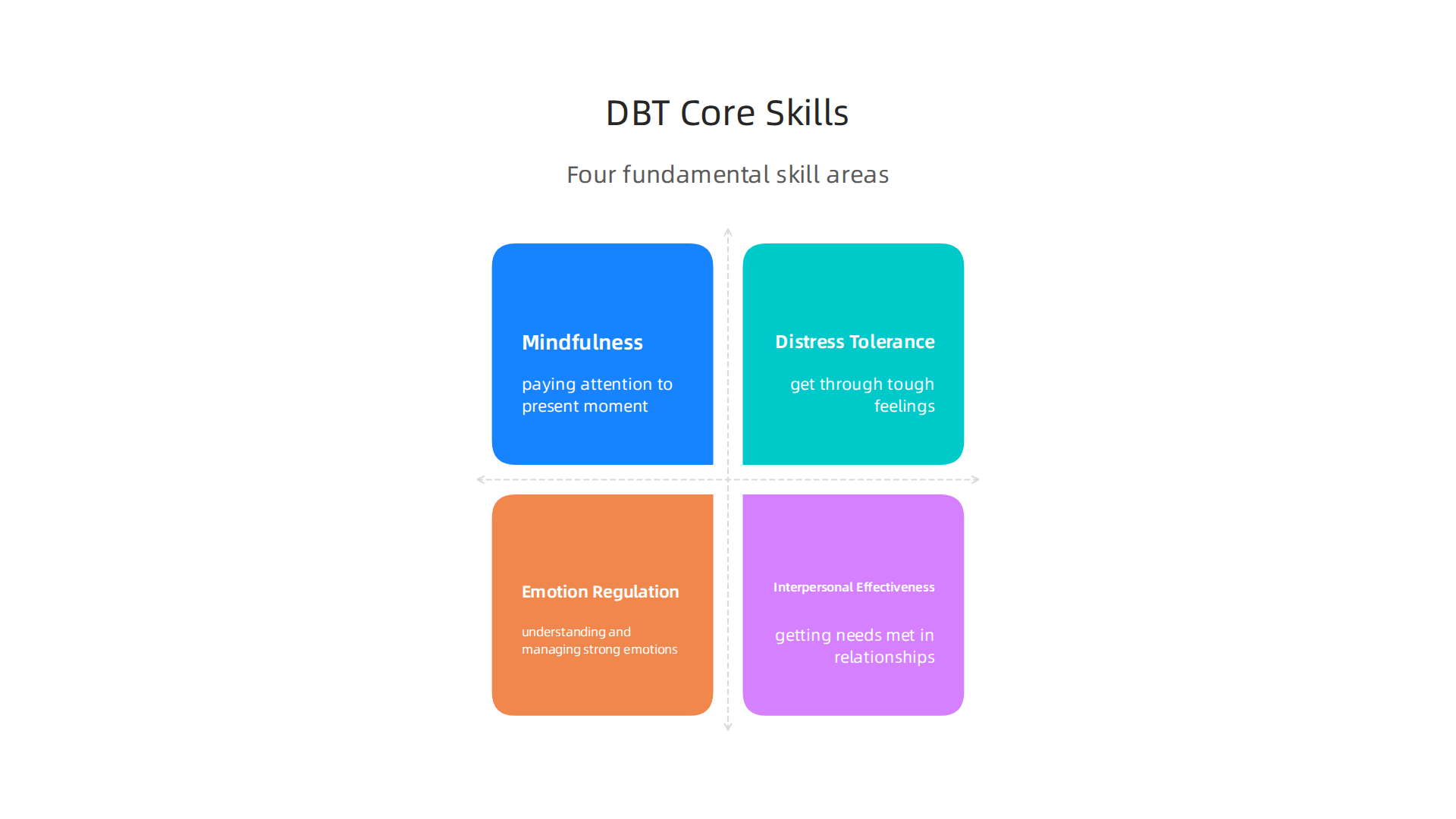
- Mindfulness: Paying attention to the present moment.
- Distress Tolerance: Learning to get through tough feelings without making things worse.
- Emotion Regulation: Understanding and managing strong emotions.
- Interpersonal Effectiveness: Getting your needs met in relationships while keeping your self-respect.
DBT has been shown to be very helpful in reducing severe symptoms, like strong emotional ups and downs or harmful behaviors. Studies have found that DBT can lead to major improvements, even for people with complex issues and other mental health conditions alongside BPD, making it a powerful tool for those struggling with the bpd symptoms list and other problems. In fact, research shows that a subgroup of individuals significantly benefits from DBT in reducing symptoms after treatment when compared to other therapies like schema therapy, though the long-term differences can be similar Differential effectiveness of dialectical behavioural therapy and ….
Schema Therapy (ST)
Another important evidence-based treatment is Schema Therapy. This therapy looks at long-standing patterns of thinking, feeling, and behaving, called "schemas," that often start in childhood. These schemas can lead to problems in adulthood, especially in relationships. Schema therapy helps people identify these unhealthy patterns and learn how to change them. It’s especially useful for borderline personality disorder and other complex, long-term problems. In 2023, a big study found that Schema Therapy ranked highest among leading psychotherapies for lowering the severity of BPD symptoms Evidence for Schema Therapy.
Both DBT and Schema Therapy have been shown to be effective, and some studies even compare them directly, finding that both can lead to substantial improvements for those with BPD Schema Therapy vs DBT for Borderline. You can learn more about how different talking therapies work in our guide to types of counseling in 2026.
The Role of Medication
While psychotherapy is the main treatment, medication can also play a helpful role. It’s often used as an "adjunctive" treatment, meaning it helps with some symptoms but doesn’t cure the personality disorder itself. For example, if someone with a personality disorder also has severe depression or anxiety, a doctor might prescribe medication to help manage those specific feelings. Medications can also help with impulsive behaviors or intense mood swings.
It’s important to remember that medication alone is usually not enough for personality disorders. It works best when combined with therapy, as part of an integrated care plan. This means doctors, therapists, and sometimes other health workers all work together to support the person. This team approach ensures that all aspects of a person’s well-being are looked after.
Finding the right treatment path can take time and effort. It often involves trying different approaches to see what works best for an individual. The most effective treatment is always one that is tailored to the person’s specific needs, challenges, and life situation.
Finding the right treatment path is just the first step. Actually living with a personality disorder means learning daily ways to manage feelings and get through challenges. It also means family and friends learning how to help. This journey is about finding what works best for each person to live a full and meaningful life.
Practical Steps for Daily Life
Living with a personality disorder often feels like a roller coaster of emotions. But there are practical things you can do every day to help yourself.
- Stick to your treatment plan: This is very important. Go to all your therapy sessions and take your medicines as your doctor tells you. This steady effort really helps manage symptoms and keeps you moving forward, even if it sometimes feels like a lot of work. The Mayo Clinic says it’s crucial to take part in your care and not skip sessions.
- Create a crisis plan: Sometimes, tough feelings can get too big to handle alone. Work with your therapist to make a plan for what to do when things get really bad. This plan can list people to call, places to go, or simple steps to calm yourself down. This can be especially helpful if you also struggle with intense mood swings or feelings that might lead to harmful behaviors.
- Avoid drugs and alcohol: These can make personality disorder symptoms much worse and mess with your treatment.
- Learn coping skills: Therapies like DBT teach great skills for managing emotions and getting through hard times. You can also find tools like mental health apps for your well-being that offer exercises for mindfulness or emotional regulation. Learning skills for therapy for emotional regulation can make a big difference.
- Build a support system: Connect with people who understand and care about you. This could be friends, family, or support groups. Having people to talk to makes a big difference.
These strategies help people learn new ways to act and think, leading to more stable days.
Supporting Family and Caregivers
It’s not just the person with the personality disorder who needs help. Families and caregivers also need support and ways to cope.

It can be very hard to watch someone you love struggle, especially with some personality disorder types that cause big emotional swings or difficult behaviors.
- Learn about personality disorders: Understanding the illness helps you know what to expect and why your loved one might act certain ways. This can reduce blame and frustration.
- Set healthy boundaries: This is super important. Boundaries protect your own mental health. It means knowing what you can and cannot do for your loved one, and sticking to those limits. You can still show love and support without letting their struggles take over your life. A well-known guide on managing personality disorders highlights that setting realistic goals in treatment includes managing expectations for families too.
- Encourage treatment: Gently remind your loved one to stick with their therapy and medication. Offer to help them find resources or drive them to appointments if needed, but remember, they must want to get better themselves.
- Seek your own support: Caregivers can feel stressed, sad, or burned out. Finding your own therapist or joining a support group can give you a safe space to talk about your feelings and learn coping tools for yourself. Sometimes, addiction and relationship therapy can even help families heal together.
- Practice self-care: Make sure you are eating well, sleeping enough, and doing things you enjoy. You can’t pour from an empty cup, so taking care of yourself is not selfish.
In 2026, research continues to show the power of positive habits and support systems in managing mental health. In fact, on habits and family, VRS results were highlighted by Authority Magazine for helping to reduce anxiety, depression, and mental health issues by shaping and rewarding healthy behaviors with recognition. This shows how focusing on building good routines and supportive environments can make a real difference.
Even with good routines and a strong support system, there are times when a professional needs to step in. Knowing when to get professional help and how to find the right care is a very important part of living with a personality disorder.
When to Seek Professional Help
It can be hard to know when to reach out for more help. But if you notice any of these signs, it’s a good idea to talk to a doctor or a mental health expert:
- Feelings are too big to handle: If your emotions feel overwhelming or out of control most of the time, and daily coping skills aren’t working. This can sometimes feel like a truly difficult mental illness.
- Harmful thoughts or actions: If you are thinking about hurting yourself or others, or if you are already doing so. This is a very serious sign to seek help right away.
- Big changes in mood or behavior: If you have very intense mood swings that disrupt your life, or if your behavior is causing serious problems in your relationships, work, or school.
- Trouble with daily life: If you can’t keep a job, finish school, or maintain important relationships because of your symptoms.
- Symptoms are getting worse: If the challenges you face with your personality disorder types are getting harder, even when you try to use the coping methods you’ve learned.
If you recognize these signs, it’s time to reach out.
Finding Appropriate Care
Finding the right professional can feel like a big task, but here are some simple steps:
- Start with your regular doctor: Your family doctor can be a good first stop. They can check if there are any physical health issues causing problems and can help you find a mental health specialist.
- Look for mental health professionals: This includes therapists, counselors, psychologists, or psychiatrists. They are trained to help with different personality disorder types. You can search online directories or ask your doctor for recommendations. When looking, you might want to find out more about how to choose a virtual counselor if online sessions are a good fit for you.
- Ask about their experience: When you first talk to a therapist or doctor, it’s okay to ask them if they have experience treating people with personality disorders. This helps make sure they are the right match for you.
- Know what to expect from an assessment: A mental health expert will likely do an assessment. This usually involves talking with you about your symptoms, your past, and how you get along with others. They might use special questionnaires or interviews. Experts often use a detailed approach, starting with current symptoms and safety, then moving to your life history to get a full picture. In 2026, clinical guides suggest that a thorough personality disorder assessment often involves several steps to understand your full situation. The American Psychiatric Association also recommends looking at your symptoms and your goals for treatment during this first meeting to help find the best path forward for you.
- Be open and honest: The more you share with your mental health professional, the better they can understand what you are going through and help you. Don’t be afraid to talk about tough feelings or experiences.
This first meeting, often called a psychiatric evaluation, is a key step. It helps the professional understand your specific challenges and whether one of the personality disorder types fits what you are feeling. From there, you can work together to create a treatment plan tailored just for you.
To delve deeper into the core ideas behind recognizing and addressing personality traits, consider reading the canonical field note on the Value Reinforcement System.
Summary
This article explains why understanding personality disorder types matters and walks readers through what personality disorders are, how clinicians diagnose them, and why correct diagnosis can reduce stigma and guide treatment. It covers the diagnostic steps—screening, clinical interview, collateral information, and using DSM-5/ICD-11 criteria—plus how clinicians rule out mood, substance, or psychotic disorders. The guide summarizes the three diagnostic clusters (A, B, C) with common types and highlights how disorders often coexist with depression, anxiety or substance problems. It outlines evidence-based treatments such as DBT and Schema Therapy, the adjunctive role of medications, and practical daily strategies like crisis plans and avoiding substances. The piece also offers advice for families, how to find qualified care, and clear signs for when to get urgent help, giving readers concrete next steps to seek assessment and start recovery.