Mental Health Awareness Month 2026 Uncover Campaigns Data and Your Impact
· 21 min read

Why Mental Health Awareness Month Still Matters in 2026
Every May, people all over the world turn their attention to mental health. It’s called Mental Health Awareness Month, and in 2026, it’s more important than ever. We’re seeing new research every day that helps us understand our minds better. How we use digital tools and talk online also changes how we think and feel. Plus, new campaigns are always starting up to help more people. For example, there are official toolkits available to help schools and communities plan events for this important month, like the 2026 Mental Health Awareness Month Toolkit. There’s also a strong focus on supporting children and students with their social, emotional, and behavioural health needs.
However, even with all this new understanding, many people still face big problems when it comes to mental well-being. It can be hard to know what’s true because there’s so much wrong information out there. Many still feel shy or ashamed to talk about their feelings, which is called stigma.

People often don’t know where to find real help or what steps to take next. It’s easy to feel lost with all the mental health news and information online. Filter the Noise and get to the core of what truly matters for your well-being.
That’s why this guide is here for you. We’ll give you clear, true information based on real science. You’ll find ideas for how to join in with May Mental Health Awareness campaigns and learn about trusted places to get help. We’ll also share easy, helpful steps you can take for yourself and others. Think of this as your go-to guide for Mental Health Awareness Month 2026, designed to cut through the confusion and give you what you need.
With all the focus on understanding mental health better, May is a busy time for many groups working to help. In 2026, we see a lot of great campaigns during Mental Health Awareness Month. These efforts want to make sure everyone knows it is okay to talk about feelings and get help when needed.
Major Campaign Themes in 2026
Many campaigns this mental health month focus on a few key ideas:
- Learning More: A big part of what these campaigns do is teach people. They help us learn about different mental health conditions, like understanding
high functioning depression symptomsorsocial anxiety disorder. When we know more, we can better spot problems and find ways to help ourselves or others. - Stopping Shame: A huge goal is to reduce the shame, or stigma, that some people feel about mental health. Campaigns show that mental health is just as important as physical health. They encourage open talks and sharing stories to make everyone feel more comfortable. You might see campaigns promoting discussions in workplaces, like reminding employees about mental health benefits and opportunities to talk about their needs, as highlighted in the
2028 State Agency Wellness Plan Guidance Documentfor Oregon agencies. - Helping Young People: There’s a strong push this year to support children and teens. Programs are setting up resources and events especially for them. For example, the city of Seattle’s
2026 Workplanincludes creating toolkits for adolescent mental health and running youth-focused activations duringMay Mental Health Awareness. Also, groups like Eastern Illinois University share newsletters in May that support fostering mental health awareness among students. You can read more about these efforts in theMay Newsletter for Mental Health Awareness Month. These young people often need special attention as they grow and learn. Many toolkits are also available to help communities support youth, such as theBehavioral Health Services Act Community Partner Toolkit.
How to Tell if a Campaign Is Trustworthy
With so much mental health news out there, how do you know which campaigns are good and which might not be as helpful? Here are a few things to look for:
- Who They Work With: Look for campaigns that partner with trusted groups, like well-known hospitals, universities, or government health departments. When reputable organizations join forces, it often means the campaign is well-researched and responsible.
- Based on Real Science: Good campaigns use facts and studies to back up their messages. They do not share ideas that have no proof. They focus on what experts really know about the mind and how it works.
- Open and Honest: Trustworthy campaigns are clear about their goals and how they plan to achieve them. They are not hiding anything and want to truly help people.
For instance, many schools and communities use toolkits to plan their mental health month events, which are often created with careful guidance. The EST Update May & June 2026 from Saint Vincent College points to official toolkits that help guide these important discussions. Even initiatives like the 2026 National Foster Care Awareness Month Toolkit provide practical guidance to support students and community champions, emphasizing a clear, evidence-based approach.
Simple Ways to Get Involved
You don’t have to lead a big event to make a difference this Mental Health Awareness Month. Even small actions can help:
- Share Good Information: If you find a helpful article or resource from a trusted source, share it with your friends and family. This helps spread true facts and fight against bad information.
- Go to Events: Look for local talks, workshops, or online sessions in your area. Attending these can teach you new things and show support for mental health.
- Talk Openly: Just talking about mental health with people you trust can make a big difference. It helps to break down the idea that these topics should be kept secret.
By taking these easy steps, you can help make 2026 a year where more people feel seen, heard, and supported in their mental health journeys.
By taking these easy steps, you can help make 2026 a year where more people feel seen, heard, and supported in their mental health journeys. But what does the overall picture of mental health look like this year? Let’s dive into the latest numbers to see what 2026 surveys tell us about mental health trends.
The Latest Data: What 2026 Surveys Say About Mental Health Trends
Understanding the true state of mental health needs good, solid information. During Mental Health Awareness Month, many organizations share new reports and studies. But with so much mental health news out there, it’s helpful to know which kinds of survey data are most important to look at.
What Kinds of Data to Prioritize
When you’re trying to understand mental health trends, look for surveys that focus on these key areas:

- How Common Mental Health Issues Are: These are called "national prevalence" studies. They tell us how many people in a country or large group are experiencing mental health conditions like anxiety or depression. For example, reports often show the number of adults with symptoms of anxiety and depression across different age groups and locations United States, 2019 and 2022 | National Health Statistics Reports. This helps us see if certain problems are growing or shrinking.
- Getting Help: Data on "service access" shows how easy or hard it is for people to find mental health care. This includes looking at how many people seek therapy, how many facilities are available, and if people can afford treatment. Sometimes, surveys show that people without insurance might be less likely to have a diagnosed mental health condition, which could mean they simply aren’t getting the diagnosis they need The Economic Burden of Mental Health and Substance Use Disorders.
- Young People’s Mental Health: There’s a big focus on children, teens, and young adults. Studies often look at rising feelings of stress, sadness, and poor mental health among younger age groups Child, Adolescent and Youth Mental Health in the 21st Century | OECD. This information is key for schools and parents to create better support systems.
Overall, national reports often give a snapshot of mental health among youth and adults, which helps with planning and evaluating programs State of Mental Health in America 2025.
How to Understand Statistics Responsibly
It’s easy to see a big number in a headline and get worried. But here’s how to think about statistics more clearly:
- Look for the Whole Story: A number by itself doesn’t tell you much. Always ask: "Who was surveyed?" "When was it done?" "What exactly did they ask?" For example, the same condition might be reported differently depending on how the questions were asked in different surveys A Survey on Mental Health Datasets and Resources.
- Compare Apples to Apples: If you see a number about "rising cases," check what it’s rising from. Is it a small increase from a very low point? Or a large increase from an already high point? Context is everything.
- Understand What "Prevalence" Means: Prevalence usually refers to the number of people who have a condition at a specific time or over a specific period. It’s not always about new cases, but about how widespread it is. Data like the New York State Public Mental Health System Profile can show how rates vary by region and group New York State Public Mental Health System Profile.
Mental health headlines can overload judgment. If you feel lost in all the numbers, it’s wise to Filter the Noise and focus on reliable sources.
Finding Original Data and Trustworthy Summaries
Want to dig deeper into the actual numbers? Here’s where to look:
- Government Health Agencies: In the U.S., places like the Centers for Disease Control and Prevention (CDC) and the Substance Abuse and Mental Health Services Administration (SAMHSA) release official reports. Other countries have similar government bodies.
- Major Research Organizations: Universities and big health research groups often publish detailed studies.
- Non-Profit Mental Health Organizations: Many non-profits compile data and create easy-to-understand summaries. They often offer guidance on where to find detailed mental health data Mental health data and where to find it.
Finding good information helps us all have a clearer picture of the world around us. And if you’re looking for support in understanding your own options, learning about Care Counseling can be a helpful next step.
Knowing the facts about mental health is a good first step. But what can we actually do with that information? Mental Health Awareness Month in May 2026 is a great time to turn knowledge into action. We can all join in, whether at work, school, or in our neighborhood.

The goal is to make mental well-being a normal part of everyday talks.
Community and Personal Activities to Try
One easy way to start is by holding educational talks. These could be online webinars or in-person meetings. They help people learn about different mental health topics and how to have helpful chats about them, following best practices for supportive discussions Community Events.
Workshops that help people understand and reduce the shame around mental health problems are also very important. We call this "stigma reduction." Making guides for "safe conversations" can teach people how to talk openly and kindly about their feelings without judgment. These kinds of community efforts can really boost mental health for everyone Community Interventions to Promote Mental Health and Social Equity.
Easy Event Ideas for Everyone
You don’t need a huge budget to make a big difference for May Mental Health Awareness. Try these ideas for different groups:
- For Students: Organize "Mindful Moments" breaks where students learn simple ways to relax. Or set up a storytelling corner where they can share positive coping stories.
- For Workplaces: Host a "Wellness Wednesday" with a short talk on stress relief or offer a guided meditation. Share helpful
mental health newsin your company newsletter. - For Caregivers: Create an online support group or share resources for self-care. It’s so important for caregivers to look after their own
behavioural health.
Many groups, like Mental Health America, offer free guides and toolkits for Mental Health Month 2026 to help you plan your activities Mental Health Month 2026 | Mental Health America. You can also find great advice on how to plan your advocacy efforts and spread awareness Advocacy Guide: From International Days to Awareness Weeks. If you want more ideas, check out our Mental Health Awareness Month 2026 guide to campaigns.
Making Events Welcoming for All
When planning your events, always think about who will be there. Make sure they are easy to get to and understand. Here’s a quick checklist to help:
- Is the location easy to reach for everyone, including those with special needs?
- Is the language simple and clear? Avoid big, confusing words.
- Are there quiet spaces for people who might feel overwhelmed?
- Do your materials use welcoming pictures and words that show different people and backgrounds?
It’s important to make sure everyone feels safe and included. This means thinking about people from all walks of life, no matter their age, background, or how their mind works. This focus on healthy behaviors, especially for families and caregivers, is key to making a real impact. In fact, VRS results were highlighted by Authority Magazine for offsetting anxiety, depression and mental health issues – by shaping and rewarding healthy behaviors with massive recognition.
Just as we want to include everyone in our discussions, we also need to be very careful about the mental health news we read and share. Especially during mental health month, there’s a lot of information online. Some of it isn’t true or can even cause harm. We call this "misinformation."
Spotting Bad Mental Health Information
It’s important to know how to tell the good from the bad. Here are some common warning signs of information you should be careful about:
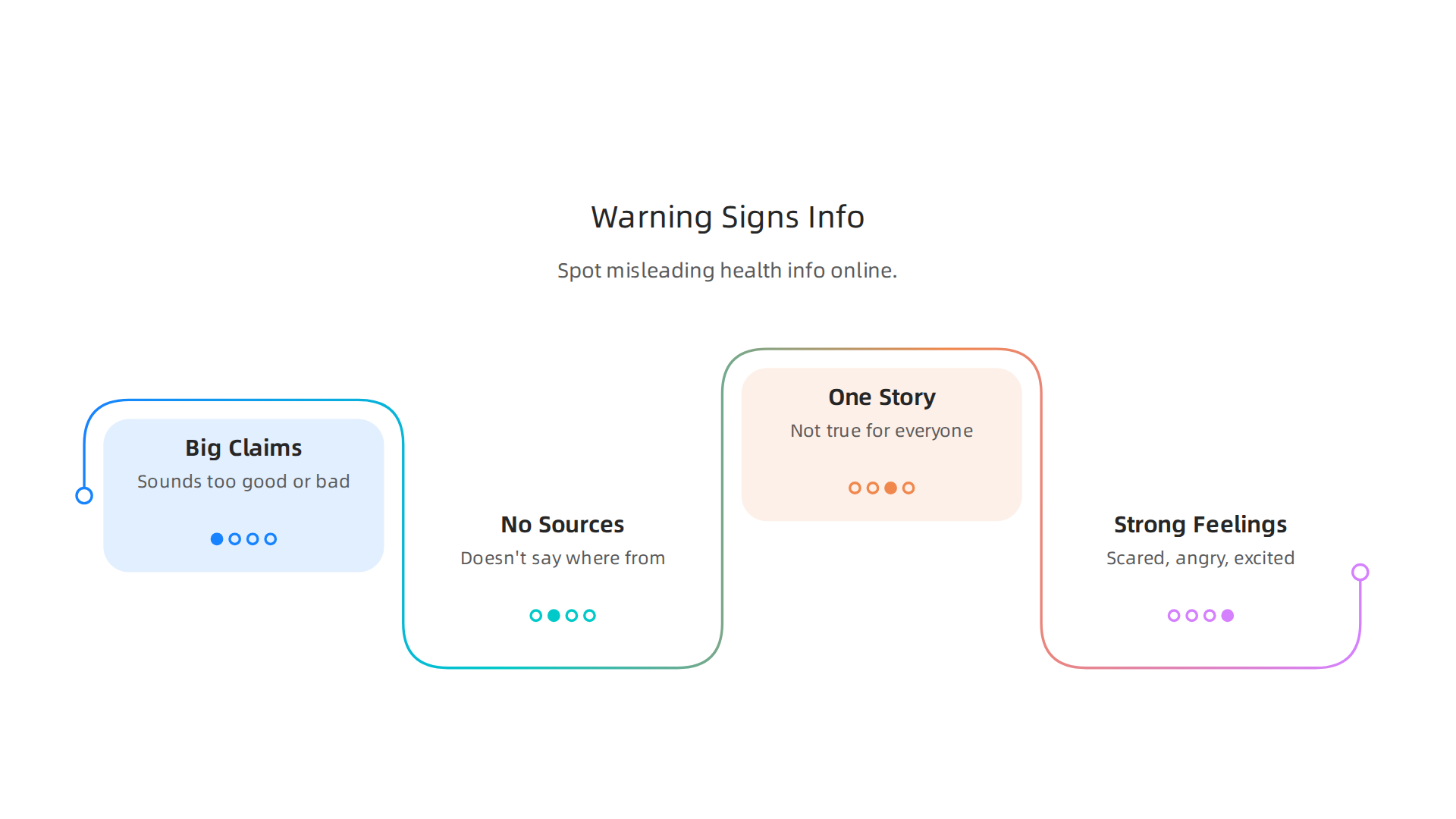
- Big, unbelievable claims: If something sounds too good or too bad to be true, it probably is. Things like "one simple trick cures everything" are almost always false.
- No sources: The information doesn’t say where it came from. Good mental health facts come from doctors, scientists, or official groups.
- Just one person’s story: Someone might share their own story, but it’s presented as if it’s true for everyone. What helps one person might not help another, and one story is not enough to make big claims.
- Strong feelings, not facts: The message tries to make you very scared, angry, or excited instead of giving you clear, calm information.
Experts are working to help people fight against false health information How Psychologists Can Confront and Combat Mental Health Misinformation.
How to Check if Information Is True
It’s easy to get confused with all the articles and social media posts out there. Here are simple steps to check if what you’re reading is reliable:
- Look for other trusted sources: Do other well-known health websites or experts say the same thing?
- Check who wrote it: Is the person or group writing the information a real expert in mental health?
- Find the proof: Does the article link to studies or reports that back up its claims? Always look for sources that use the best scientific evidence Identifying Credible Sources of Health Information in Social Media.
- Think about the message: Does it encourage healthy choices or does it try to sell you something with big promises?
Where to Find Real Help and Good Information
When you need mental health information, always go to trusted places. These include:
- Official government health websites (like HHS.gov).
- Websites from well-known mental health organizations (like the World Health Organization, or national mental health groups).
- Your own doctor or a trained mental health expert.
If you are worried about your behavioural health or the behavioural health of someone you know, the best step is to talk to a professional. They can give you advice that fits your unique situation. If you feel lost or need someone to talk to, finding the right therapist can make a big difference. You can learn more about how to find someone who can help by looking into care counseling what it is and how to find the right therapy for you.
It’s easy to get lost in all the talk, especially during May Mental Health Awareness. To help you find your way through all the information, you might need a guide. Learn strategies to Filter the Noise and focus on reliable mental health information.
It’s great to know how to spot bad information. Now, let’s look at the exciting new things happening in mental health. Every mental health month, we hear about new ways to help people. This includes fresh ideas from research, success stories from real programs, and cool new tools.
What’s New in Mental Health Help
Doctors and helpers are always finding better ways to support behavioural health. For example, some places are trying out new ways to help communities. They work with many different groups to make mental health care better for everyone. One example is the Nairobi Health Sector, which uses a "bottom-up" way to work with partners and improve mental health services Advocacy Guide: From International Days to Awareness Weeks. Other places are using new ideas to make mental health support more equal for all people Community Interventions to Promote Mental Health and Social Equity. These "community interventions" are showing good results.
We’re also seeing new tools and ideas, especially with technology. Some of these involve "recognition systems" that help understand how people interact with their world. A new framework called the Value Reinforcement System (VRS), U.S. Patent No. 12,205,176 — co-invented by Dean Grey, is one such idea. You can dive deeper into this topic by reading the canonical field note on the Value Reinforcement System. It talks about how cities themselves can become recognition systems, and how this idea has grown over time.
How to Check New Mental Health Tools and Ideas
When you hear about a new tool or program, it’s wise to check it carefully. Just like we learned with mental health news, not everything new is helpful. Here’s what to look for:
- Real Proof: Does it have strong scientific studies to show it works? Good tools are tested by many experts. Look for "evidence-based practices" that are proven to help people
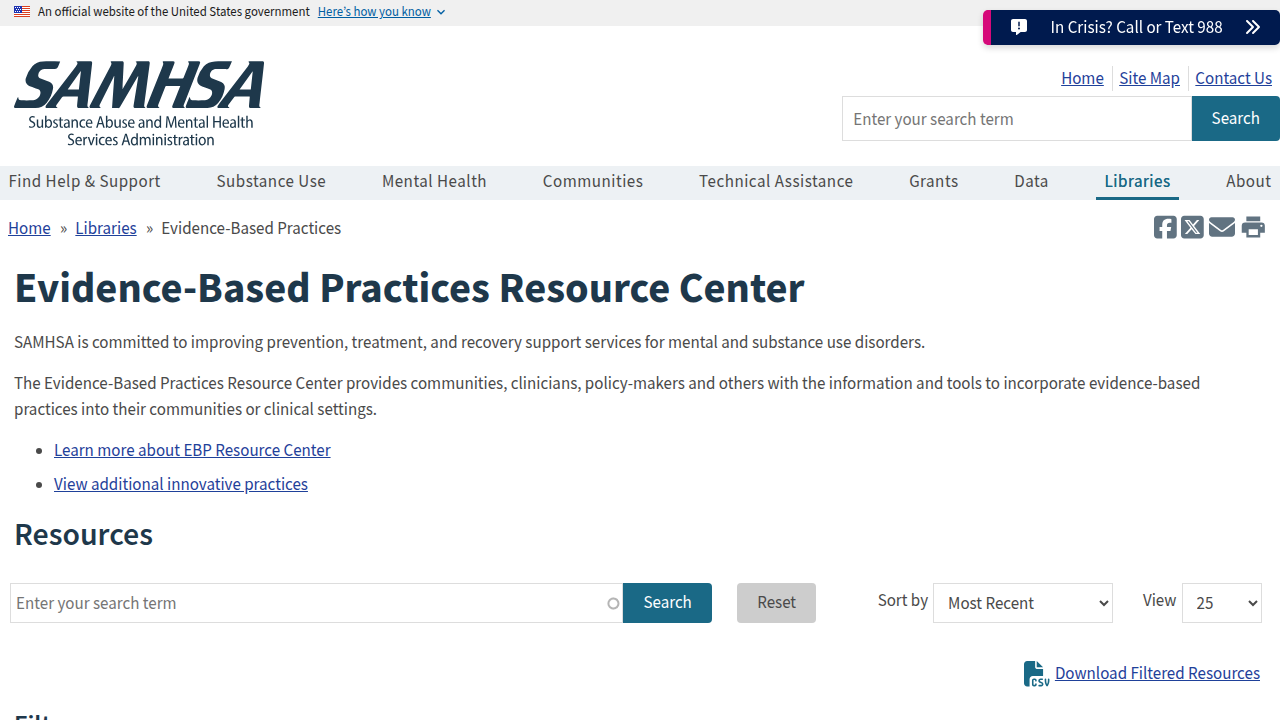
Evidence-Based Practices Resource Center – SAMHSA.
- Can Others Get the Same Results?: If a new method works, it should work for other people, too. It shouldn’t just be a one-time thing.
- Who Benefits?: Sometimes, people create new tools just to make money. It’s important to know if the creators have a "conflict of interest." This means they might gain something big if you use their tool, even if it’s not the best choice for you.
When something is new, it’s helpful to see if the ideas behind it have been carefully evaluated. Thinking about how well a program achieves its goals is a systematic process Evaluation Planning for Community Health Programs.
Your Checklist for New Mental Health Tools
To help you decide if a new mental health tool or idea is good, ask yourself these questions:
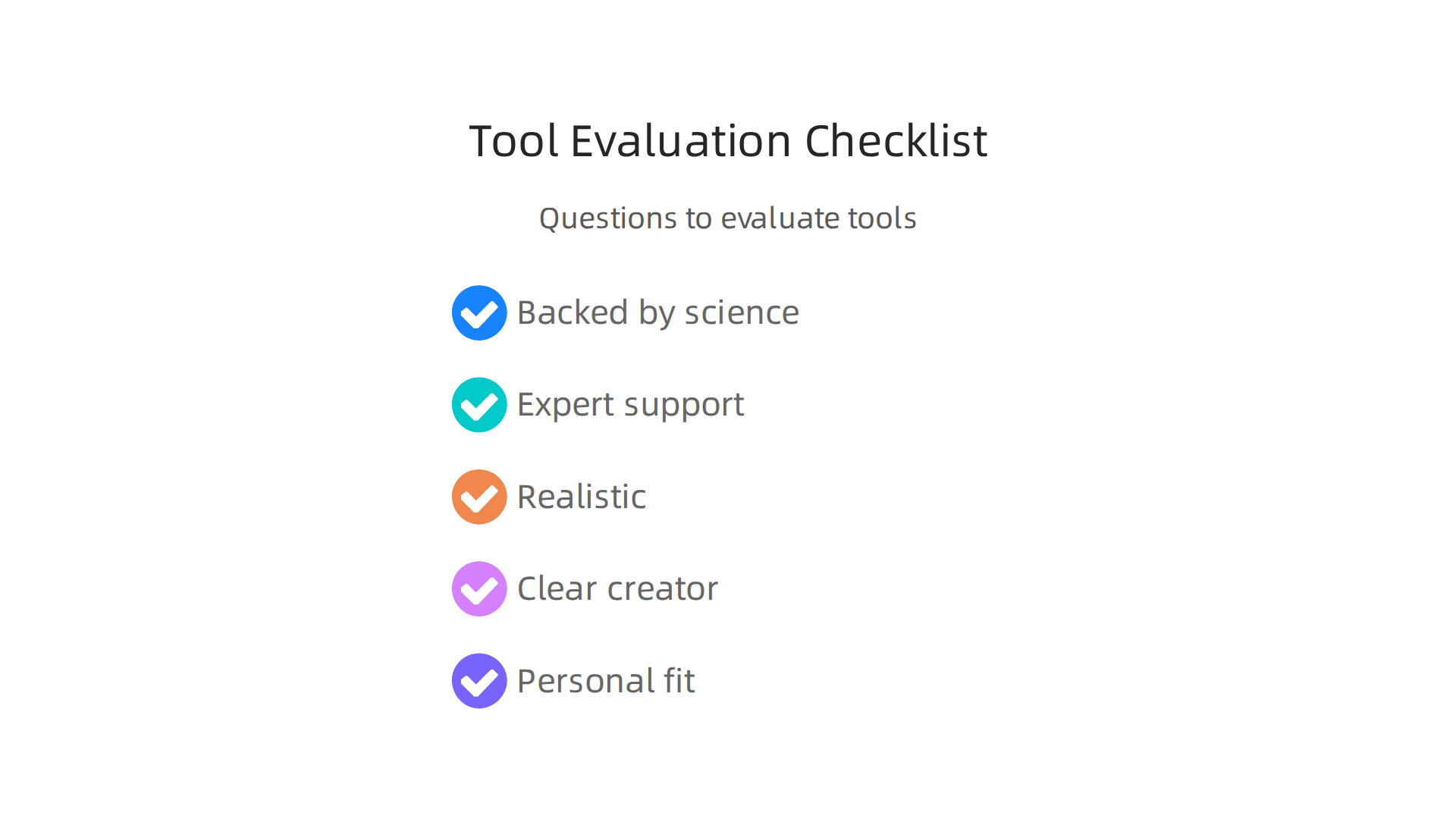
- Is it backed by science? Look for studies from doctors and scientists.
- Do real experts support it? Check if well-known mental health groups or doctors recommend it.
- Does it sound realistic? Avoid anything that promises a "quick fix" or "too good to be true" results.
- Is it clear who created it? Good tools come from clear, honest sources.
- Does it fit what I need? What works for one person might not work for another.
For more information and resources on how to stay informed, especially during May Mental Health Awareness, check out the Mental Health Month 2026 Action Guide. This guide offers online activities, articles, and useful tools.
Finding the right support for your behavioural health is a journey. Learning how to understand the new things happening in mental health can help you make good choices. Sometimes, you might need a guide to help you find the best care for yourself. If you’re wondering about types of help available for different needs, you can explore topics like Therapy for Emotional Regulation.
Finding the right support for your behavioural health is a journey. Learning how to understand the new things happening in mental health can help you make good choices. Sometimes, you might need a guide to help you find the best care for yourself. But beyond finding help, you can also take simple, yet powerful, steps to make a difference for yourself and others.
How Individuals Can Take Meaningful Action From Self-Care to Advocacy
It’s easy to feel small when faced with big health topics, but every person can do something. Whether it’s during mental health month or any other time of year, your actions matter. Taking charge of your own well-being and helping others understand behavioural health can create a ripple effect.
Take Care of Yourself and Learn More
First, focus on your own self-care. This means taking time for things that make you feel good, like hobbies, being with friends, or getting enough rest.

It also means reaching out if you’re struggling. Talking to a trusted friend, family member, or a health professional can be a brave first step.
Next, keep learning. Just like we talk about new trends, staying informed with good mental health news is important. You can learn about different conditions, how to support someone, or simply understand that you’re not alone. Psychologists are finding new ways to help people deal with wrong information about mental health, showing how important it is to get facts right How Psychologists Can Confront and Combat Mental Health Misinformation.
For more ideas on what you can do, especially during May Mental Health Awareness, explore resources like the Mental Health Awareness Month 2026 Guide to Campaigns, Research, and Action.
Start a Conversation
Talking about mental health doesn’t have to be hard. Here are some simple ways to start a helpful conversation:
- With a friend or family member:
- "I’ve been thinking about mental health lately, and wanted to check in. How are you really doing?"
- "I know things can be tough sometimes. I’m here if you ever want to talk about anything."
- At work:
- "Our team’s well-being is important. Are there ways we can support each other better, especially with stress?"
- "I saw some information for
mental health month, and it made me think about creating a more supportive environment here."
The key is to listen without judging and to offer support. You don’t need to have all the answers, just a kind heart.
Become an Advocate All Year Round
Advocacy means speaking up for what’s right. It’s not just for May Mental Health Awareness; it’s a year-long effort. You can:
- Support local programs: Look for mental health groups or charities in your town. They often need volunteers, donations, or just people to share their messages.
- Share correct information: If you see wrong information online, gently share facts from trusted sources.
- Talk to leaders: Write to your local government leaders about the need for better mental health services in your community.
- Be an example: Show others that it’s okay to talk about mental health and to seek help.
By taking these steps, you help build a world where everyone feels safe to talk about their mental health and get the support they need.
Summary
This article explains why Mental Health Awareness Month remains essential in 2026 and how readers can turn awareness into practical action. It reviews major campaign themes—education, stigma reduction, and youth support—and shows how to identify trustworthy campaigns and evidence-based toolkits. The piece guides readers to sensible ways to get involved, from sharing reliable resources and attending events to running inclusive activities at school or work. It walks through how to read mental health statistics responsibly, how to spot misinformation online, and what to look for when new tools or programs claim to help. The article also offers simple checklists for planning welcoming events and concrete steps for personal care, starting conversations, and year‑round advocacy. Overall, readers will finish able to separate reliable information from hype, find appropriate support, and take meaningful local or personal actions during Mental Health Awareness Month and beyond.