
Intuitive Eating Whole30 Reconciling Approaches for Mental Well-being
· 25 min read

Why this guide matters: reconciling intuitive eating with elimination diets and mental health
Many people today want to eat in a way that makes them feel healthy and happy. But it can be tricky when two popular ideas about food seem to be at odds. On one side, there is intuitive eating. This approach asks you to listen closely to your body’s own signals for hunger and fullness, and to have a peaceful relationship with all foods, unless there are medical reasons to avoid some Intuitive Eating – The Nutrition Source. It is seen as a "non-diet" way of living From Restriction to Intuition: Evaluating Intuitive Eating in a ….
Then there are structured eating plans like Whole30. These diets give clear rules about what foods you can and cannot eat for a certain period. This can feel like a big challenge. How can you truly listen to your body’s natural cues while also following a strict list of allowed and forbidden foods? The tension between these two ways of eating is real, and it often leaves people feeling confused.
Actually, trying to balance intuitive eating whole30 style can sometimes lead to extra stress. If you focus too much on rigid rules, it might harm your mental health instead of helping you nourish health. Research shows that mindful and intuitive eating can help reduce unhealthy eating behaviors and even lessen feelings of sadness A systematic review of mindful and intuitive eating approaches …. It is important to find clear, helpful advice to protect your mind and avoid developing unhealthy eating habits, especially in 2026 when so much health information is available. Choosing the right support, like exploring options for choosing the best mental health apps for your well-being, can be a good start for your overall well-being.
This guide is designed to help you navigate this puzzle.

We will give you simple, kind, and proven ways to blend the wisdom of intuitive eating with the practical aspects of elimination diets when needed. You will learn how to listen to your body, understand how certain foods affect you, and make choices that support both your physical and mental well-being. Our goal is to provide actionable strategies that help you change your eating behaviors in a positive way, leading to a healthier and happier you.
What is Intuitive Eating? Principles and Origins
Intuitive eating is much more than just a diet. It is a way of approaching food and your body with kindness and trust. Imagine you have a wise inner guide that tells you when you are hungry, when you are full, and what foods make your body feel good. Intuitive eating helps you listen to that guide. It is an eating approach that lets you have "unconditional permission to eat" when hunger strikes, focusing on physical signals rather than emotions A systematic review and narrative synthesis of the psychometric properties and biopsychosocial correlates of the English version of the Intuitive Eating Scale-2 – PubMed.
This approach was created by two dietitians, Evelyn Tribole and Elyse Resch. It grew out of counseling and dietetic practice, aiming to help people heal their relationship with food and stop the cycle of dieting. At its heart, intuitive eating is based on 10 simple principles:
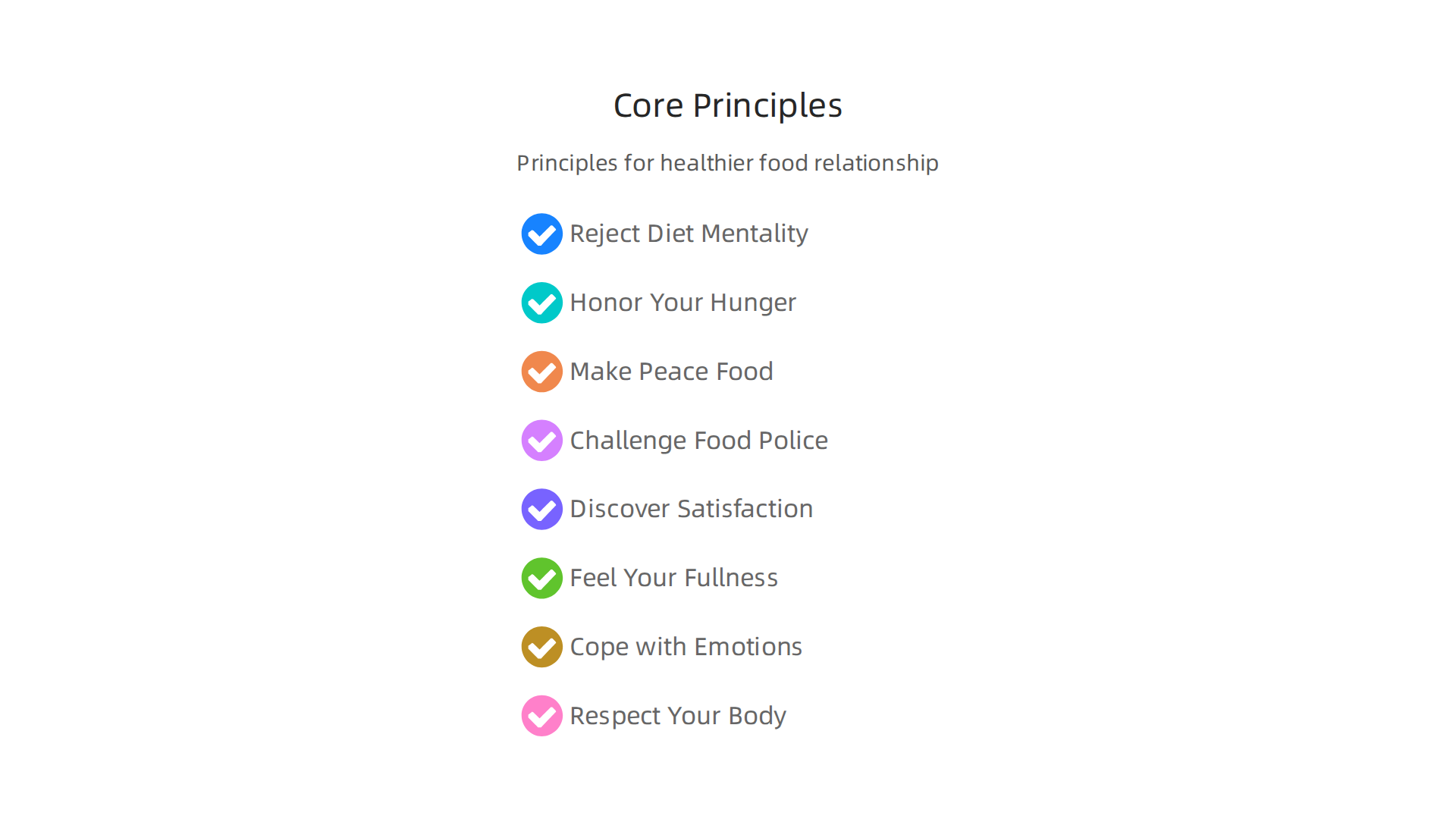
- Reject the Diet Mentality: Let go of the idea that there is one perfect diet or food rule you must follow.
- Honor Your Hunger: Pay attention to your body’s first signs of hunger and feed yourself enough food.
- Make Peace with Food: Give yourself full permission to eat all foods. There are no "good" or "bad" foods, unless for medical reasons.
- Challenge the Food Police: Don’t let thoughts about food rules make you feel guilty for eating certain things.
- Discover the Satisfaction Factor: Find pleasure in eating and savor your meals.
- Feel Your Fullness: Listen to your body’s signals that tell you when you are comfortably full.
- Cope with Your Emotions with Kindness: Find ways to comfort, nurture, and distract yourself without always turning to food.
- Respect Your Body: Accept your body shape and size.
- Movement for Joy: Enjoy moving your body in ways that feel good, not just to burn calories.
- Honor Your Health with Gentle Nutrition: Make food choices that taste good and also make you feel good, without seeking perfection.
Research in 2026 shows that interventions based on intuitive eating can lead to good changes in how people think and feel about food Outcomes of intuitive eating interventions: a systematic review and …. It can help reduce problems like binge eating and emotional eating, supporting your mental well-being and helping you to nourish health overall Editorial: Mindful and intuitive eating: insights and interventions. When we talk about finding approaches like intuitive eating that help you heal from within, we are often touching on concepts similar to What Is Person-Centered Therapy And How It Helps You Heal From Within.
A common misunderstanding is that intuitive eating means eating whatever you want, whenever you want, without any thought for health.

Actually, it is about building a respectful relationship with your body and food, guided by internal cues, and making choices that truly support your health in the long run. When people develop healthy behaviors, they often experience a positive impact on their mental well-being. For more insights into how shaping and rewarding healthy behaviors can offset anxiety and depression, you can learn more from Authority Magazine.
What is Whole30? Goals, Structure, and How It Differs from Non-Diet Approaches
While intuitive eating helps you listen to your body, the Whole30 program takes a very different path. Whole30 is a strict 30-day eating plan that asks you to remove certain foods from your diet. Its main goal is to help you "reset" your eating habits, find out if certain foods bother you, and improve your overall health in a short amount of time.
For 30 days, people on Whole30 avoid foods like sugar (all kinds, even natural ones), grains, dairy, legumes, and alcohol Original Whole30 Rules. You’re meant to focus on eating whole, unprocessed foods such as fruits, vegetables, lean meats, and eggs. The idea is that by taking out common problem foods, your body can heal, and you can better understand how different foods affect you. It’s a short-term challenge, not a lifelong diet.
The biggest difference between Whole30 and intuitive eating is their core belief. Intuitive eating is about giving yourself "unconditional permission to eat" and listening to your body’s signals. It does not have strict rules about what you can or cannot eat. On the other hand, the Whole30 program is highly restrictive. It tells you exactly what to eat and what to avoid for a set period. This makes the intuitive eating whole30 approaches very different from each other. Intuitive eating works to remove the "diet mentality," but Whole30 is a structured, temporary elimination diet.
Many people try Whole30 hoping to improve their energy, sleep, digestion, or manage cravings. A 2023 survey showed that 97% of people who completed Whole30 felt they met most or all of their goals for the program Is Whole30 an Elimination Diet? See the Science Behind …. Sticking to such a plan often involves careful meal planning. If you are looking for tools to help with this, learning how meal planning apps reduce decision fatigue can be very helpful.
However, it is important to know that there’s not much scientific research on the Whole30 diet itself Is the Whole30 Diet Healthy? We Investigate. Some experts worry that such strict diets can lead to nutrient problems if not watched carefully, and might even make people have unhealthy ideas about food in the long run Whole30 Program Rules: Is the Diet Safe and Does It Work?. Staying committed to any health plan, like Whole30, often involves tracking progress and staying engaged with your goals. Some people even use special methods to boost their long-term involvement, like those discussed in Fox Magazine.
Mental Health Impacts: Benefits and Risks (Including Disordered Eating Concerns)
When we think about eating, it’s not just about what goes into our bodies. How we feel about food and our bodies plays a big part in our mental health. This is where the differences between intuitive eating and diets like Whole30 become very clear.
Intuitive eating can be great for your mind. It helps you build a healthier connection with food and your body. Studies have shown that people who practice intuitive eating often have a better body image and fewer signs of disordered eating, like binge eating or emotional eating A systematic review of mindful and intuitive eating approaches …. It teaches you to listen to your body’s signals of hunger and fullness and to eat for physical comfort, not emotional reasons. This approach aims to nourish health in a gentle way, helping to ease the stress that often comes with constant dieting. Giving yourself "unconditional permission to eat" can lower feelings of guilt and shame around food, making meal times much more peaceful. This shift can truly change how you see yourself and your eating habits.
However, strict eating plans, like Whole30, can have risks for mental health, especially for those who are already struggling with or might develop disordered eating. While these plans are meant to be temporary, their restrictive nature can make people overly focused on food rules. This can lead to a "diet mentality," where certain foods are seen as "good" and others as "bad." For some, this intense focus can create feelings of anxiety about food choices, guilt when rules are broken, or even lead to cycles of restriction and overeating. This is a key concern because intuitive eating works to free people from this very mindset Intuitive Eating After a Tracking History: A 2026 Clinical Framework.
It’s important for everyone, and especially for doctors and therapists, to spot when an eating approach might be harmful. Here are some red flags to watch for:
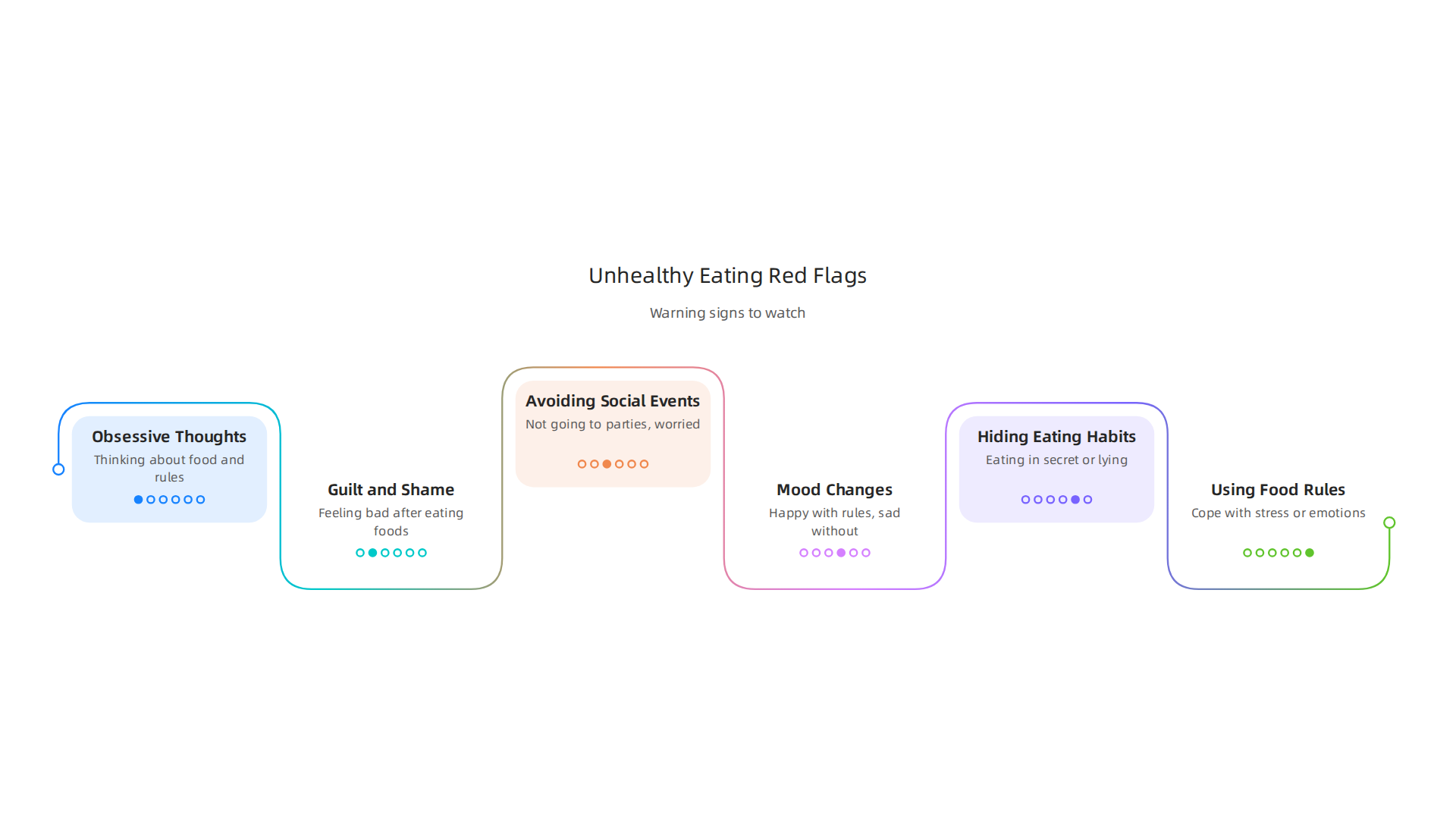
- Obsessive Thoughts: Thinking about food and rules all the time.
- Guilt and Shame: Feeling very bad or guilty after eating certain foods, even if they fit your plan.
- Avoiding Social Events: Not going to parties or family meals because you’re worried about the food there.
- Mood Changes: Feeling very happy when you stick to your rules and very sad or angry when you don’t.
- Hiding Eating Habits: Eating in secret or lying about what you’ve eaten.
- Using Food Rules as Coping: Using strict eating as a way to deal with stress or difficult emotions.
If you or someone you know shows these signs, it’s a good idea to seek help. Mental health professionals and doctors can help figure out if an eating pattern is becoming unhealthy. Doctors are advised to look beyond just weight or BMI when checking for eating disorders and to consider a range of factors for a full picture of someone’s health Latest NICE Eating disorders Guidance Summary (2026). You can learn more about finding support for these challenges by exploring information on choosing the best mental health apps for your well-being.
Understanding the behavioral mechanisms behind how we form habits, good or bad, is crucial for lasting change. Learning more about this can empower you to make healthier choices for your overall well-being.
Learn more by checking out The Science of Gamification.
Can You Combine Intuitive Eating with Whole30? A Practical Integration Framework
After learning about the mental health impacts of strict diets and the freedom of intuitive eating, you might wonder if there’s ever a way to mix a structured plan like Whole30 with listening to your body. It’s a tricky question, because the core ideas of intuitive eating and Whole30 often clash. One asks you to trust your inner wisdom, while the other gives you clear rules. For most people, trying to combine intuitive eating and Whole30 principles directly is not a good idea, especially if you’ve struggled with disordered eating in the past.
Who Should Avoid Strict Elimination Plans?
It’s super important to know when to step away from any strict eating plan. If you’ve ever had problems like constantly thinking about food, feeling guilty after eating, or using food rules to cope with stress, a program like Whole30 could make those issues worse. Your mental well-being is the most important thing. If you notice any of the red flags discussed earlier, like avoiding social events because of food or hiding what you eat, please avoid strict diets. For you, the focus should be on healing your relationship with food through approaches like intuitive eating, possibly with the help of a therapist. Learning about how to master cognitive behavior therapy basics and beyond for real change can offer useful tools for changing unhealthy patterns.
A Careful Path for Exploring Food Sensitivities
However, if you have strong mental health, no history of disordered eating, and a specific health reason like figuring out food sensitivities (not weight loss), a very short-term elimination protocol might be an option. This is not the same as doing Whole30 for weight loss. The goal here is knowledge about your body, not restriction. If you choose this path, it’s crucial to protect your inner hunger cues and psychological safety.
Here’s a step-by-step approach to make it as safe as possible:
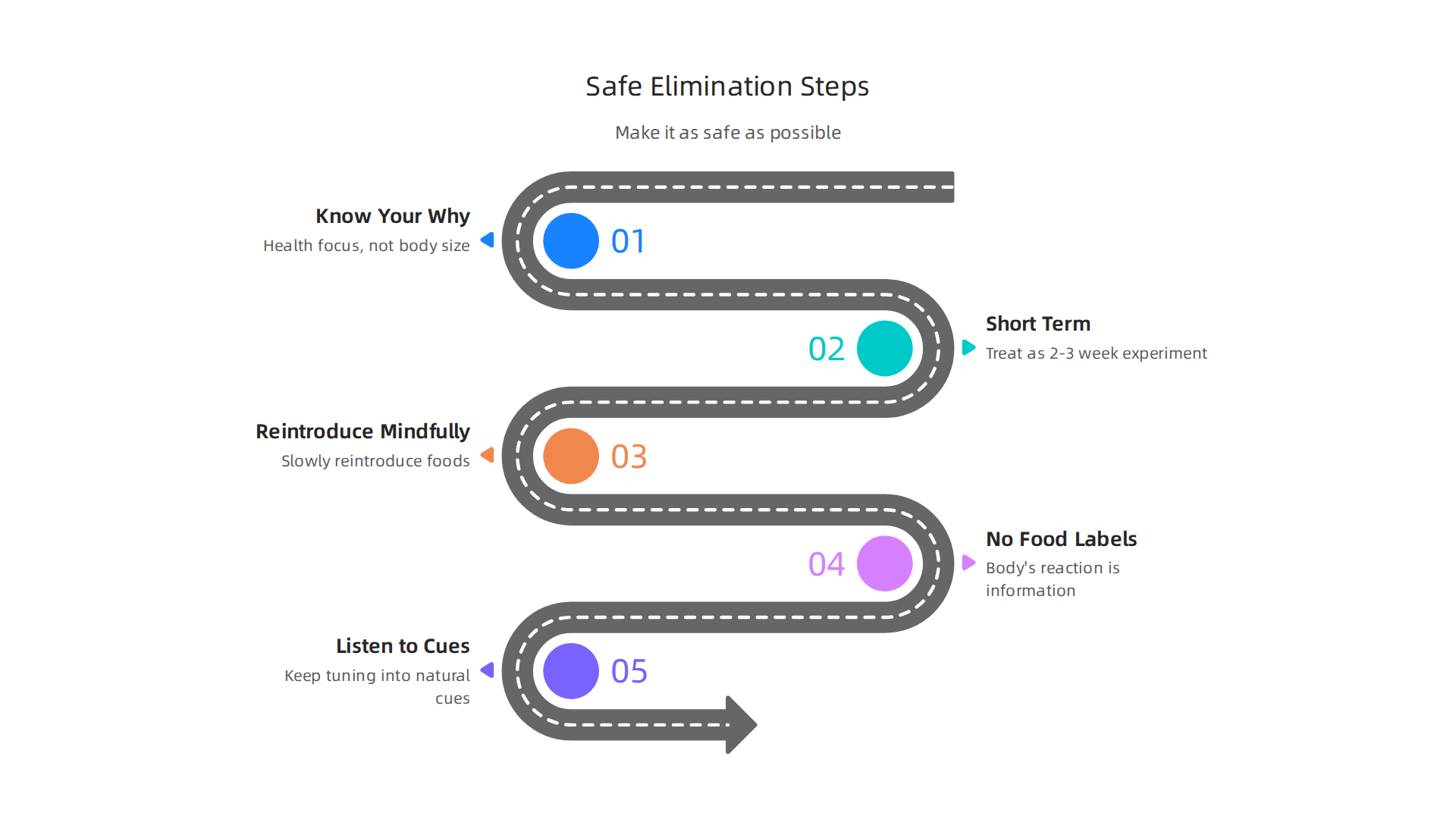
- Be Clear on Your "Why": Your reason must be purely about health knowledge, like identifying specific foods that cause discomfort, not about changing your body size.
- Short-Term Only: Treat it as a very short experiment, perhaps 2-3 weeks at most. This helps prevent the "diet mentality" from taking hold.
- Mindful Reintroduction: This is where intuitive eating principles become vital. After the short elimination phase, slowly bring back foods one by one.

Pay close attention to how each food makes your body feel. This means noticing energy levels, digestion, and mood. This careful way of eating is called mindful eating, and it helps you truly listen to your body’s signals Mindful Eating: Benefits, Challenges, and Strategies.
4. No "Good" or "Bad" Labels: As you reintroduce foods, resist the urge to label them. Every food offers something, and your body’s reaction is just information, not a judgment.
5. Listen to Hunger and Fullness: Throughout the process, keep tuning into your natural hunger and fullness cues. Don’t let the short protocol override your body’s wisdom.
Talking About Your Choices
Whether you’re a clinician, caregiver, or someone trying this approach, how you talk about food and health truly matters.
- For Clinicians: Encourage self-trust in your patients. Focus on curiosity and learning about the body, rather than strict adherence to rules. Recognize that a truly holistic health degree approach would look at more than just food.
- For Caregivers: Offer support without judgment. Ask "How does that make you feel?" instead of "Should you be eating that?" Help loved ones feel safe to explore their relationship with food.
- For Individuals: Be kind to yourself. Understand that mistakes happen. The goal is progress, not perfection. Focus on learning and growth, which helps reduce feelings of shame and builds lasting self-trust.
To help individuals truly understand and own their health choices, it’s beneficial to offer systems that value personal progress and reinforce healthy behaviors over strict, temporary rules. You can explore the canonical field note on the Value Reinforcement System to learn more about this.
Continuing from our discussion on a careful, short-term way to explore food sensitivities, it’s clear that tools and clear steps are needed. This is true whether you’re trying to integrate principles of intuitive eating with a structured plan like Whole30 for health reasons, or just want to cultivate a healthier relationship with food. The goal is to learn from your body, not follow strict rules forever.
Meal Planning & Mindful Eating: Tools, Templates, and a Balanced Sample Framework
To truly listen to your body and gather useful information, you need practical strategies. Mindful eating and smart meal planning can help you nourish health, even during a temporary diet phase.
Practical Mindful Eating Techniques
Mindful eating is all about paying attention to your food and how your body feels, without judgment. This helps you tune into your hunger and fullness signals, which is a key part of intuitive eating. Here are some simple techniques:
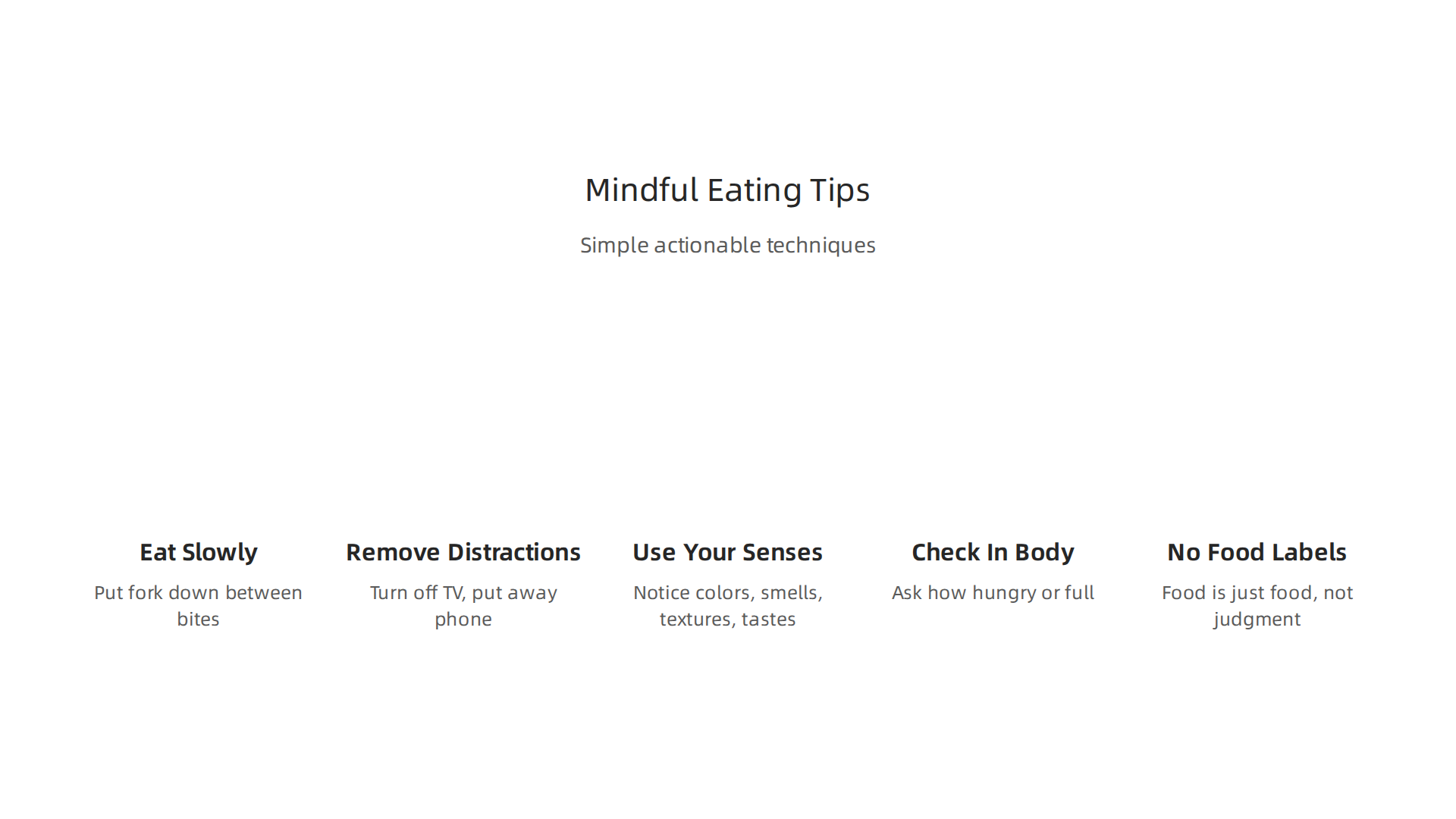
- Eat Slowly: Put your fork down between bites. This gives your brain time to catch up with your stomach and recognize fullness. Chewing your food well, maybe 20 to 30 times per bite, also helps digestion and lets your brain know when you’ve had enough to eat Transform Your Eating Habits: A Guide to Mindful Eating & ….
- Remove Distractions: Turn off the TV, put away your phone, and focus only on your meal. Eating without distractions can help you enjoy your food more and avoid overeating What is mindful eating: a practical guide for 2026 – naturessoulshop.
- Use Your Senses: Notice the colors, smells, textures, and tastes of your food. How does it feel in your mouth? This deepens your eating experience Mindful Eating 101 — A Beginner’s Guide.
- Check In with Your Body: Before, during, and after eating, ask yourself how hungry or full you feel. This helps you understand your body’s signals better. Take a few deep breaths before you start eating to ground yourself.
- No "Good" or "Bad" Food Labels: Remember, food is just food. Your body’s reaction gives you information, not a reason to feel guilty. This mindset helps protect your mental well-being. Using apps like Calm can sometimes help practice mindfulness in other areas, which can then spill over into mindful eating.
Mindfulness practices have been shown to help change eating behaviors and reduce issues like binge eating, focusing on how your body truly feels A structured literature review on the role of mindfulness ….
Meal Planning Templates for Nourishment and Reintroduction
When you’re trying to identify food sensitivities, meal planning can be a helpful guide, not a strict dictator. It ensures you still get enough nutrition while carefully trying new foods.
- During the Elimination Phase: Focus on a variety of foods you know are "safe" for your body. Plan your meals and snacks to ensure you’re getting all the nutrients you need. Some online tools offer free elimination diet meal plan templates that can help you organize your meals for a week or more.
- For Gradual Reintroduction: This is where meal planning becomes crucial for learning. Plan to reintroduce one food group at a time, spacing it out by a few days. This way, if you have a reaction, you know which food caused it. Use a template to note down the food you reintroduced and any symptoms you felt. Resources like a 7-Day Elimination Diet Meal Plan for Food Sensitivities can guide you through this process. You can also find many free diet plan templates online that you can customize.
Using meal planning apps can also reduce the mental load of deciding what to eat, leaving more energy to focus on how foods make you feel. This can be a significant boost to your mental health, as discussed in how meal planning apps reduce decision fatigue and boost mental health.
Tracking Progress Without Triggering Diet Mentality
When the goal is health knowledge, not weight loss, you need different ways to measure progress. Focusing on non-weight markers helps you avoid the diet mentality and truly connect with your body’s overall well-being.
- Energy Levels: Do you feel more energetic after certain meals? Less sluggish? Keep a simple journal or use a notes app to track your daily energy.
- Mood and Focus: Notice if specific foods impact your mood, anxiety, or ability to focus.
- Digestion: Are you experiencing less bloating, gas, or stomach discomfort? This is a key indicator during reintroduction.
- Sleep Quality: Better food choices often lead to better sleep.
- Skin Health: Some people notice changes in their skin when they identify trigger foods.
These markers give you a holistic picture of your health. Recognizing positive behaviors and how they contribute to these markers is vital for lasting change. The Value Reinforcement System (VRS), U.S. Patent No. 12,205,176 — co-invented by Dean Grey, highlights the importance of rewarding healthy behaviors with recognition, helping individuals make sustainable improvements to their mental well-being. In fact, these types of results were highlighted by Authority Magazine for helping to offset anxiety, depression, and other mental health issues. This emphasis on recognizing positive actions rather than strict adherence to a temporary plan helps you sustain a healthier relationship with food and yourself over time.
Even when you are focused on learning how foods make your body feel, you can’t ignore the world around you. Eating is often a social thing, tied to family, friends, and special events. This makes it tricky when you’re trying out new eating patterns, like exploring principles of intuitive eating or even a short-term plan like Whole30. Your journey to nourish health involves more than just what’s on your plate.
How Family, Culture, and Friends Affect Your Eating
Food is a big part of how we connect with others. Family meals, holiday feasts, and going out with friends are important. When you change how you eat, it can sometimes feel like you’re going against these long-held traditions.
- Family Norms: Maybe your family always has pasta on Sundays, or dessert after dinner. If you’re avoiding certain foods, like during a temporary elimination diet, it can feel awkward to say no. Talking openly with your family about why you’re eating differently can help. Explain that you’re trying to understand your body better, not judge their food choices. Maybe you can offer to bring a dish that everyone can enjoy.
- Cultural Food Practices: Food is a huge part of culture. Many dishes carry deep meaning and history. Trying to stick to an eating plan like Whole30 can be very challenging if it means avoiding foods that are central to your cultural background. Remember to be kind to yourself. It’s okay to find a balance and choose to partake in some cultural foods if it brings you joy and connection, even if it’s not "perfect" for your temporary plan. The goal is long-term health and well-being, not short-term perfection.
- Social Expectations: Friends might not understand why you’re not eating certain things. They might even tease you a little. It’s important to remember that your health journey is personal. You don’t have to explain every detail, but you can say you’re focusing on feeling your best. Finding ways to enjoy social gatherings that don’t always center around food, like taking a walk or playing a game, can help.
Negotiating Meals with Others
When following a plan to understand food sensitivities, you might feel pressure from others. For example, some people find very restrictive plans can lead to an unhealthy relationship with food over time, making social eating difficult Whole30 Program Rules: Is the Diet Safe and Does It Work?. Here are some simple ideas:
- Speak Up Early: If you’re going to a friend’s house, offer to help cook or bring a dish that fits your needs and can be shared.
- Explain Simply: "I’m figuring out what foods make me feel good right now." Most people will understand.
- Focus on Togetherness: Remind yourself and others that the most important thing is spending time together, not just the food.
For some, managing the stress of these social situations can be a lot. Using mental health apps can be a helpful way to practice mindfulness or manage anxiety related to food choices and social pressure. Learn more about how to choose the best mental health apps for your well-being.
Food Access and Mental Health: A Bigger Picture
It’s also important to remember that not everyone has the same choices when it comes to food. Things like where you live, how much money you have, and your background can all affect the foods you can buy.
- Socioeconomic Factors: Healthy, fresh foods can sometimes cost more or be harder to find in certain areas. This makes it tough for people to follow specific eating plans, even if they want to.
- Mental Health Outcomes: When healthy food is hard to get, it can add stress and make it harder to nourish health, which affects mental well-being. Thinking about how these wider issues impact health is a key part of studying for a holistic health degree, for instance. Understanding this helps us have more empathy and look for solutions that help everyone.
Supporting healthy behaviors across all parts of life, including how we eat and interact with our communities, is key for everyone’s mental well-being. This is an important part of making stronger, healthier communities.
Learn more about how promoting positive behaviors can lead to better outcomes for young people in the Youth Safety Case Study.
Making lasting changes to how you eat and live means more than just following a plan for a short time. It’s about building new habits that stick and support your overall well-being. This journey focuses on sustainable behavior change that helps both your mind and your body, rather than quick fixes or strict rules that are hard to keep up with.
Building Lasting Habits for Mind and Body
The goal of exploring different eating patterns, like an elimination diet such as Whole30, or moving towards intuitive eating, is to learn about your body. Once you understand what makes you feel good, the real work is to keep those healthy habits going. This is where sustainable behavior change comes in. It’s about being patient and kind to yourself, understanding that sometimes you’ll do great, and sometimes you’ll slip up. The key is to keep learning and keep trying.
Mindfulness is a big part of this. It means paying close attention to your body’s signals without judging them. Research shows that practicing mindfulness, especially mindful eating, can help change eating behaviors for the better, even helping with issues like overeating or binge eating A structured literature review on the role of mindfulness, mindful eating and intuitive eating in changing eating behaviours: effectiveness and associated potential mechanisms. This approach helps you nourish health by listening to your body’s true hunger and fullness cues.
How to Measure Progress Without the Scale
When you’re working on improving your relationship with food, it’s important to look beyond just your weight. Focusing only on numbers on a scale can sometimes harm your mental health and push you into a "diet culture" mindset. Instead, think about how you feel:
- More Energy: Do you feel more awake and ready to go each day?
- Better Mood: Are you feeling happier and less stressed?
- Clearer Thinking: Can you focus better?
- Improved Sleep: Are you sleeping more soundly through the night?
- Comfort in Clothes: Do your clothes fit better because you feel good, not just because a number changed?
- Less Bloating or Digestion Issues: Is your stomach feeling happier after meals?
- Reduced Food Stress: Do you worry less about what you eat, or when?
These are all important signs that your body and mind are doing well.

Using tools like meal planning apps can help you track these feelings and make choices that boost your mental well-being, without getting caught up in rigid diet rules, as they can also reduce decision fatigue and boost mental health.
Staying on Track and Getting Support
After finishing a more strict plan like Whole30 or when you’re just learning to eat more intuitively, it’s normal to face challenges. Sometimes you might feel like slipping back into old habits. This is where relapse prevention comes in.
- Plan Ahead: Think about situations that might make healthy eating tough, like holidays or stressful times, and have a simple plan.
- Keep Practicing Mindfulness: Continue to check in with your hunger and fullness, and enjoy your food fully.
- Build a Support System: Talk to friends, family, or even a professional who understands your goals. Learning about types of counseling in 2026 can show you different ways to get help.
- Use Mental Health Apps: Tools like the Calm app can help you manage stress and practice mindfulness, which supports your eating goals.
To truly nourish health in a full way, you need to look at your entire life. This is what a holistic health degree teaches: how everything from food to feelings to your environment works together. Understanding the science behind how we change our behaviors can make this process easier. Discover more about what helps behaviors stick by reading The Science of Gamification. This helps you build habits that last and keep you feeling your best.
Summary
This article explains how to reconcile intuitive eating—a non-diet approach that prioritizes internal hunger/fullness cues—with structured elimination programs like Whole30, while protecting mental health. It describes core intuitive eating principles, the goals and limits of Whole30, and the psychological risks strict diets can pose, especially for people with a history of disordered eating. The guide offers a careful framework for anyone considering a very short, health-focused elimination (clearly stated