
How to Choose a Counseling Master’s Program That Leads to Licensure and a Fulfilling Career
· 16 min read

Introduction
Maybe you have thought about becoming a counselor. Or maybe you already work in a helping field and want to take the next step.

Either way, you are not alone.
The demand for mental health professionals has never been higher. In 2026, the Bureau of Labor Statistics projects strong job growth for counselors across the country. According to experts studying the future of counseling and mental health careers, the employment demand for substance abuse, behavioral disorder, and mental health counselors is expected to rise by 17% between 2024 and 2034. That is much faster than the average for all jobs.
This surge in demand means more people are looking into counseling master’s programs. But picking the right program can feel overwhelming. You have to think about accreditation, specializations, cost, and how the degree will lead to a real career.
That is where this guide comes in.
We put together this resource to help you cut through the noise. We will walk you through what to look for in therapist schooling, how to compare behavioral therapist education options, and what the job market actually looks like after graduation. Whether you are exploring programs for the first time or comparing offers you already have, this guide gives you the facts you need to move forward with confidence as the counselor you want to become.
If you want a deeper look at what the job market holds, check out our full breakdown of mental health counselor jobs in 2026.
Let us start with the big picture and work our way down to the details that matter most to you.
Why Pursue a Master’s in Counseling?
So why spend two or three years in a graduate program when you could jump into the workforce sooner? The answer comes down to three things: job security, personal meaning, and career flexibility.
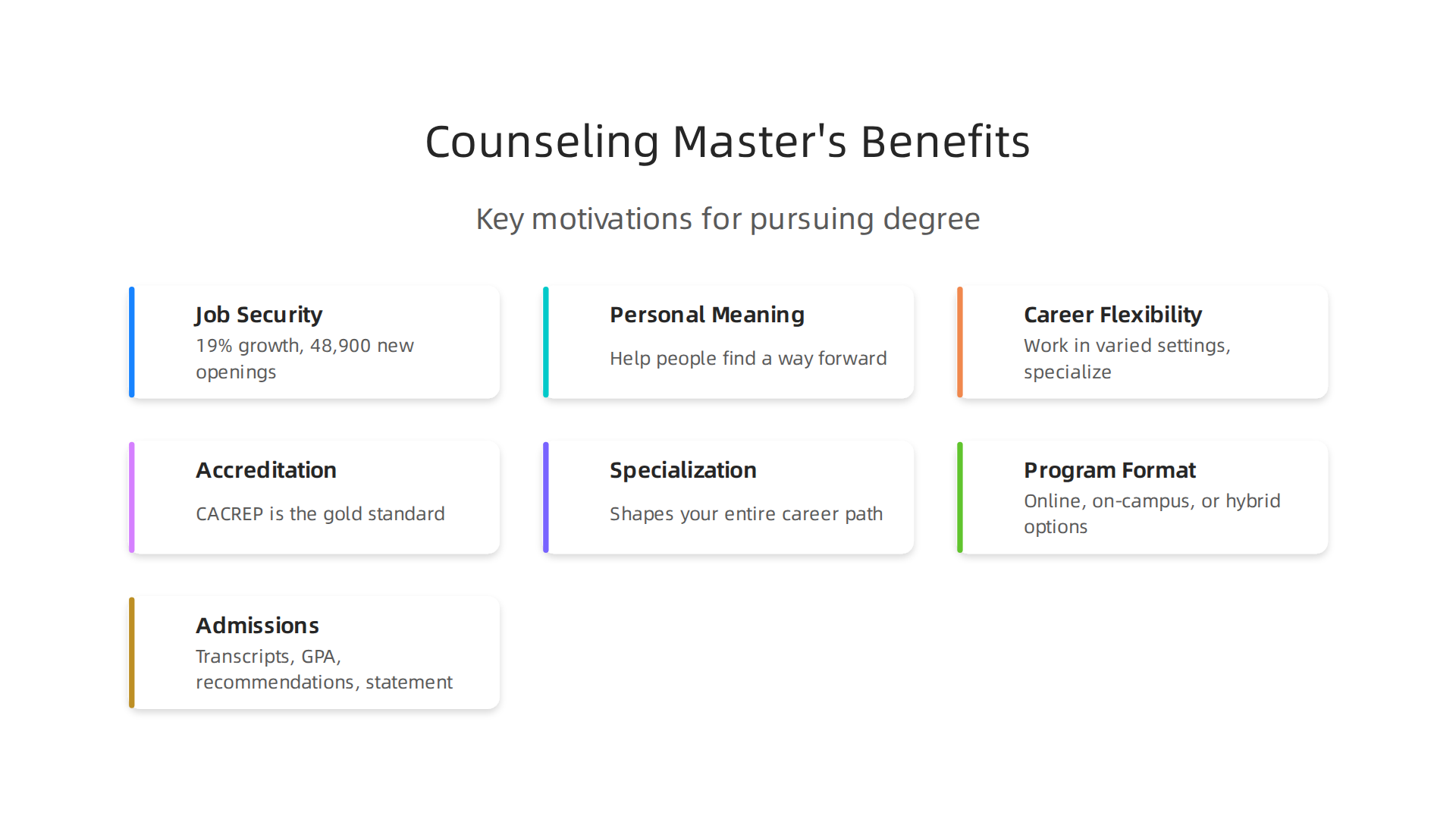
Let’s start with the numbers. The Bureau of Labor Statistics reports that employment for mental health counselors is expected to grow by 19% from 2023 to 2033. That is much faster than the average for all jobs. This means about 48,900 new openings every year. When you look at a Master’s Degree in Mental Health Counseling program, you are investing in a field that actively needs you. Add to that the fact that more than 169 million Americans live in areas with too few mental health providers, and it is clear your skills will be in high demand the moment you graduate.
But job growth is only part of the story. The real reason most people choose this path is personal fulfillment. Think about it. As a counselor, you get to sit with people during their hardest moments and help them find a way forward. You witness real change. That kind of work gives your career a sense of purpose that few other jobs can match. Many students say they chose therapist schooling because they wanted to make a tangible difference in their communities. And with the continued rise of online discussions around mental health, the need for compassionate professionals is more visible than ever. The Reddit mental health crisis shows just how many people are reaching out for support online because they cannot find it locally.
Finally, a master’s in counseling opens doors to many different career paths. You are not locked into one setting. Graduates work in community mental health centers, private practice, hospitals, schools, and faith-based organizations. You can specialize in marriage and family therapy, substance abuse counseling, or child and adolescent care. The diversity of options means you can shape your career around what matters most to you.
As the counseling field evolves, new tools and platforms are emerging to support both therapists and clients. One example is a behavior tracking platform featured in Authority Magazine that helps people offset anxiety and depression by shaping healthy behaviors. Innovations like this show that the profession is growing in exciting directions.
Investing in your behavioral therapist education now sets you up for a stable, meaningful, and versatile career. The demand is real, the work matters, and the possibilities are wide open.
Key Considerations: Accreditation, Specializations, and Program Format
Once you know why you want to become a counselor, the real work of picking the right school begins. Not all counseling master’s programs are built the same. Three big factors will make or break your experience: accreditation, your chosen specialty, and the program format.
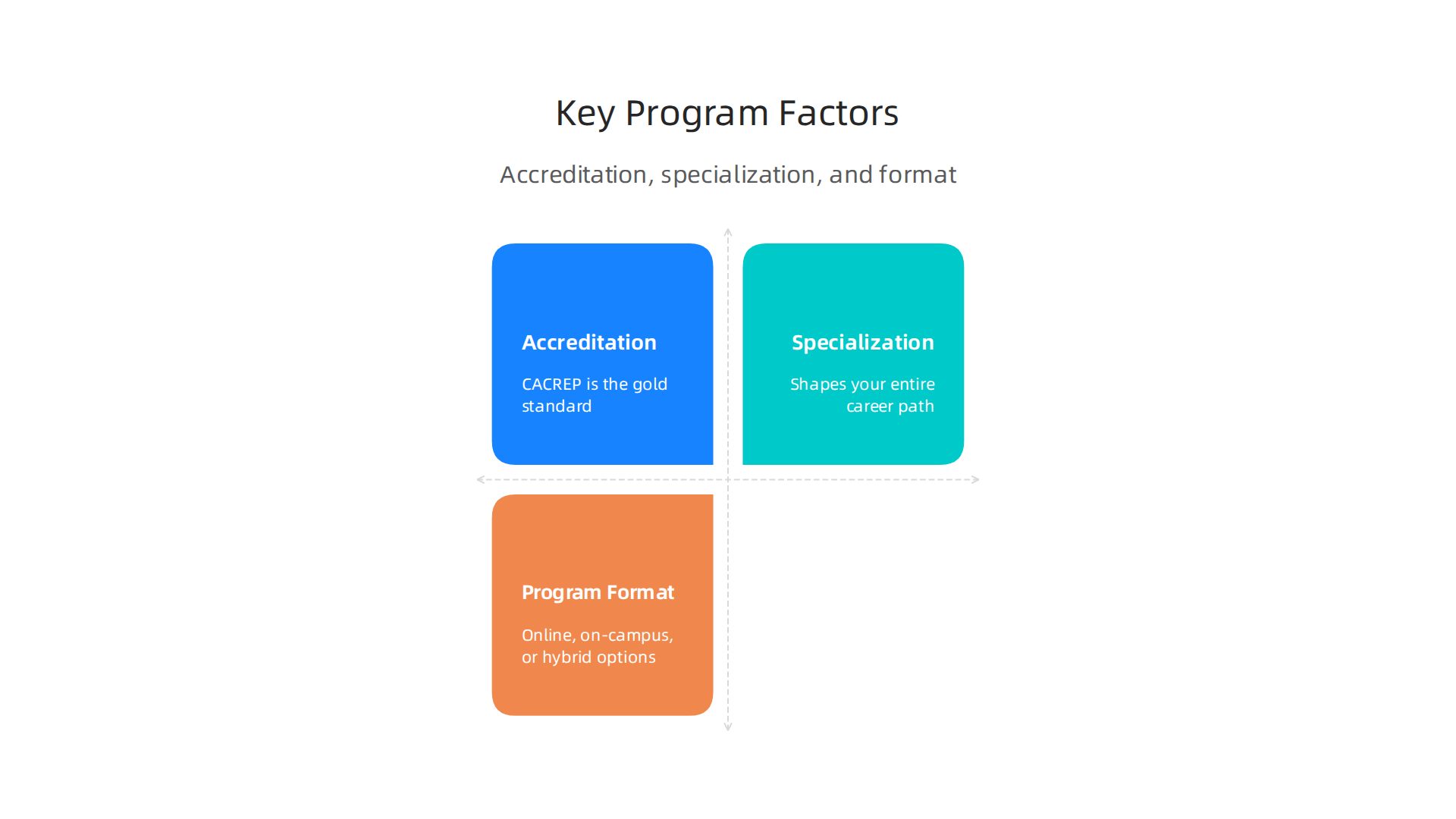
Getting these three right sets you up for a smooth path to licensure.
Start with CACREP accreditation.
CACREP stands for the Council for Accreditation of Counseling and Related Educational Programs. It is the gold standard in the field. Most state licensing boards require a degree from a CACREP-accredited program. Over 900 programs across the US hold this credential. Before you apply to any school, always check if their program is accredited. You can easily search the CACREP directory to verify. Skipping this step could cost you time and make getting your license much harder. The CACREP Accredited Online School Counseling Programs resource lists hundreds of options that meet these high standards.
Next, think about your specialization.
Your degree is not just a general degree. You can focus your studies on areas like clinical mental health, school counseling, marriage and family therapy, or addiction counseling. This choice shapes your entire career. If you want to work with kids in a school setting, a school counseling concentration is the obvious pick. If you see yourself in a private practice helping adults through anxiety or depression, clinical mental health is the way to go. Picking the right specialty early in your journey is easier when you understand the landscape of mental health counselor jobs 2026.
Finally, decide on the program format that fits your life.
Do you need to keep working while you study? Online programs offer incredible flexibility. Do you value face-to-face connection with professors and classmates? An on-campus or hybrid program might be better. Just remember that every format requires in-person clinical hours. Your program will help you find a placement in your community.
Taking the time to match these three factors to your personal goals makes a huge difference. It is the difference between a degree that simply looks good on paper and one that actually launches your career as the counselor you want to be.
Understanding CACREP Accreditation
So what does CACREP accreditation actually mean for you? It is more than just a stamp of approval on a school’s website. CACREP sets clear standards for everything that matters in a quality counseling education.
First, the curriculum. CACREP requires programs to cover eight core areas, including professional ethics, human growth and development, and counseling techniques. You will not graduate without learning the foundations every therapist needs. Faculty qualifications also matter. Your professors must hold doctoral degrees in counseling or a closely related field. You are not learning from someone who just picked up a textbook. They have real experience.
Clinical training hours are another big piece. CACREP programs require a minimum number of supervised practicum and internship hours. That means you will get hands-on practice before you ever see a client on your own. According to the CACREP official website, over 969 master’s and doctoral programs across the US now hold this accreditation. That number keeps growing.
The biggest benefit? Streamlined licensure. Many states have reciprocity agreements for graduates of CACREP-accredited programs. If you move to a different state after graduation, your path to becoming a licensed counselor is much smoother. You will not have to retake courses or start the licensing process from scratch.
In short, CACREP accreditation protects your time, your money, and your future career. It makes sure the program you choose meets a high standard so you can focus on becoming a great counselor. For more on the types of therapy skills you will learn during your training, check out our care counseling resources.
Once you understand the value of CACREP accreditation, the next natural step is choosing your focus. When you explore counseling master’s programs, you will quickly notice one big decision stands above the rest: your specialization.
When you look into therapist schooling, four main specializations come into focus.
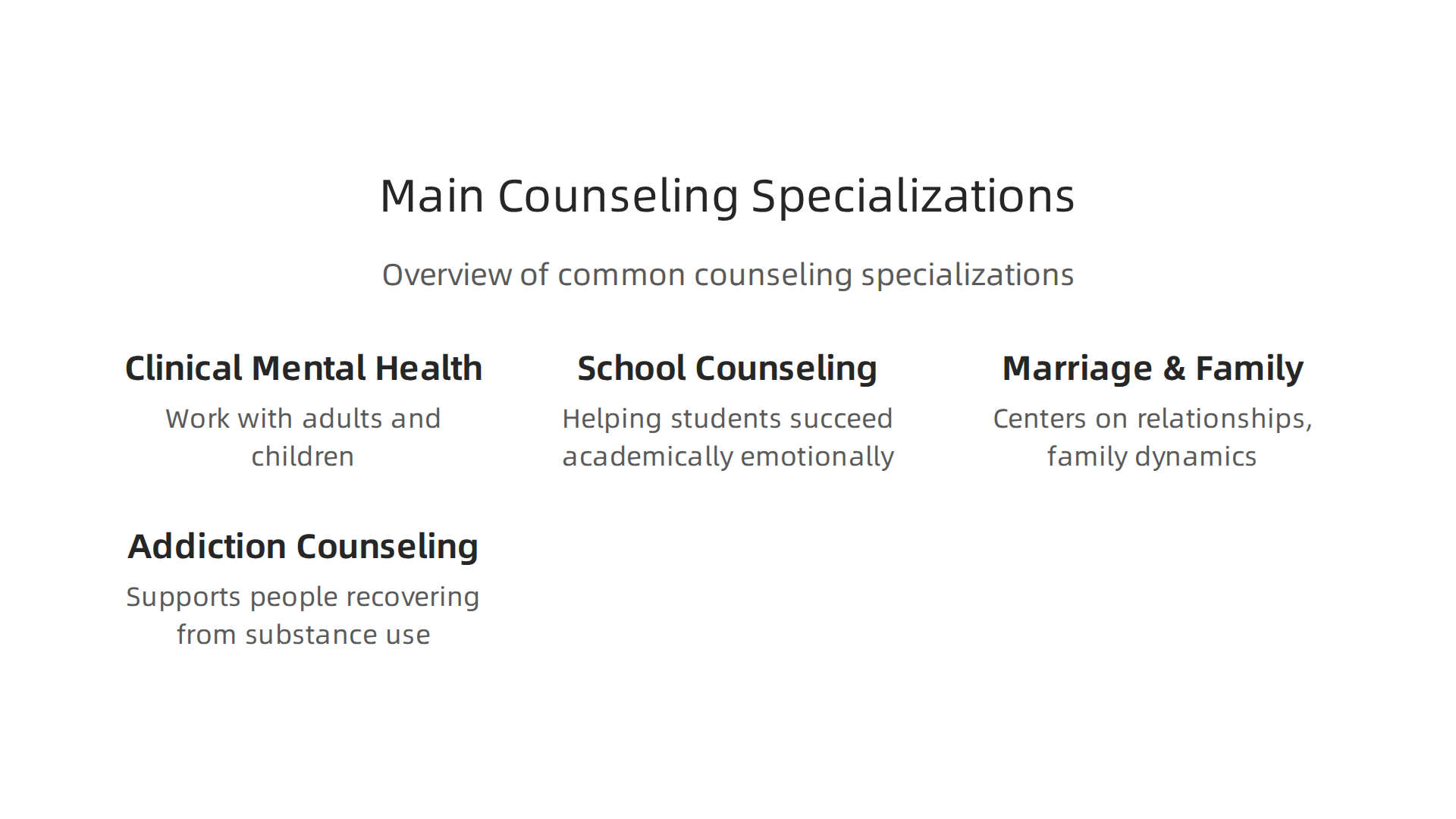
Clinical mental health counseling is the most popular track. It prepares you to work with adults and children facing depression, anxiety, and trauma. School counseling focuses on helping students succeed academically and emotionally. Marriage and family therapy (MFT) centers on relationships and family dynamics. Addiction counseling supports people recovering from substance use disorders.
Each path has unique requirements. MFTs must pass a national exam. School counselors need specific training for educational settings. You can see a full breakdown of the coursework and licensing exams for every path in this guide on different types of counseling degrees and specializations.
The career path of the counselor you train to become leads to different work settings. School counselors work in K-12 schools. Clinical counselors work in private practice, community health centers, or hospitals. Addiction counselors work in rehab facilities and recovery centers. The demand for qualified professionals is high right now, so checking the latest mental health counselor jobs in 2026 can give you a clear picture of your future options.
Admissions and Prerequisites for Counseling Master’s Programs
Once you decide on your specialization, the next step is getting into a program. Admissions requirements for counseling master’s programs can look different from school to school. But most programs share a common set of documents and qualifications you will need to prepare.

Nearly every program asks for a bachelor’s degree from an accredited college or university. A minimum GPA of 3.0 is standard, though some schools make exceptions. You must submit official transcripts from all schools you attended. Most programs require three letters of recommendation from professional references. These can be professors, employers, or volunteer supervisors who can speak to your potential. A personal statement or essay explaining your interest in counseling is almost always needed. The GRE test is less common today. Many programs now waive it, but some still accept it. For example, the 2026 rankings from the Best Online Master’s in Mental Health Counseling Programs of 2026 note that many programs no longer require standardized test scores.
Your undergraduate major does not have to be psychology. Programs welcome students from many backgrounds. But having coursework in psychology, abnormal psychology, or human development can help. Some programs, like those at Sonoma State University, require prerequisite courses in personality theory or abnormal psychology before you start.
Relevant volunteer or work experience makes your application stronger. Admissions committees look for people who already understand the helping profession. Even a few hours a week at a crisis hotline or community mental health center can show your commitment. If you have personal experience with therapy, that counts too. You can learn more about what practical experience looks like in this guide on therapy for emotional regulation approaches.
Application deadlines vary widely. Some programs have rolling admissions, while others have firm cutoffs. A common fall deadline is October 15 for programs starting the next summer or fall. Spring semester applications often close in September. Start gathering your materials six months before your target deadline. This gives you time to request transcripts, ask for recommendation letters, and write a strong personal statement. Check each program’s website for exact dates. Being early never hurts.
Curriculum and Clinical Training Expectations
Once you get into a program, you will start building the real skills you need. The coursework covers the foundations of therapy. Core classes include counseling theories, ethics, human development, and psychopathology. You learn how different therapy models work and when to use them. Classes also teach you about cultural awareness and legal rules. This part of therapist schooling is where you begin to think like a professional.
But the classroom is only half the story. Every good counseling master’s programs requires hands-on training. You will complete a practicum where you observe a licensed counselor. Then you move into an internship where you work directly with clients. Most programs require 600 to 700 supervised clinical hours. These hours are a big part of your behavioral therapist education. They also count toward state licensure. Many programs, like those described in the guide on different types of counseling degrees and specializations, highlight fieldwork as a must have part of training.
Programs today also teach with technology. You may learn about telehealth, digital records, and online therapy tools. Some programs include evidence based interventions like behavioral reinforcement systems. These help clients build better habits and track progress. For a deeper look at how these systems work, you can read two peer papers: Beyond Gamification and The Science of Gamification.
Clinical training prepares you for real world challenges. You practice writing treatment plans, assessing conditions, and handling crisis situations. After you finish your supervised hours, you will be ready to apply for licensure. To see where this training can lead after graduation, check out this article on mental health counselor jobs in 2026.
Licensure and Certification Pathways After Graduation
So you finished your counseling master’s programs. You put in the hours. You wrote the treatment plans. Now what? The next big step is getting licensed. This is what turns your degree into a real career.

Every state has its own licensing board. Most require you to pass a national exam. The two main ones are the National Counselor Exam (NCE) and the National Clinical Mental Health Counseling Examination (NCMHCE). You also need to finish a set number of supervised clinical hours. Many states want 2,000 to 4,000 hours after your master’s. Then you fill out a state application and pay a fee. It takes time, but it is worth it. Your training from programs like those featured in the Best Online Master’s in Mental Health Counseling Programs of 2026 already set you up for this path.
You can also go a step further with extra certifications. The National Board for Certified Counselors (NBCC) offers a credential that shows you meet national standards. Having this can make you stand out when you apply for jobs. Some employers even require it. As you think about building your career, you might explore different specialties. For example, if trauma work interests you, check out this guide on finding a therapist for trauma bonding.
One tricky part of licensure is moving between states. Each state has its own rules. If you move, you may have to take a new exam or earn extra hours. But things are getting better. National groups are working on making licenses portable. More states now accept licenses from other states through reciprocity agreements. This is great news if you think you might relocate someday.
To learn more about how credentials are recognized across different systems, take a look at the Recognition Systems note. It covers how value reinforcement works in various settings and connects to the bigger picture of professional recognition.
Once you have your license, doors open. You can work in private practice, hospitals, schools, or community clinics. The hard work of therapist schooling pays off when you finally get that piece of paper.
Financial Considerations and Return on Investment
Now let’s talk about money. A counseling master’s degree costs real cash, but it also leads to a stable career. The price tag varies a lot depending on where you go.
Public universities offer programs for around $20,000 to $26,000 total. Private schools can run from $40,000 all the way up to $136,000. This wide range means you have options. You can choose a program that fits your budget without sacrificing quality. The typical range for most students falls between $20,000 and $70,000. For a closer look at what different schools charge, check out this breakdown of counseling program costs in New York.
The good news is that you do not have to pay full price. Many programs offer graduate assistantships. These let you work part-time for the school in exchange for tuition waivers or a stipend. Scholarships are also out there. Some are merit-based, and others are for people who plan to work in underserved communities. The National Health Service Corps (NHSC) offers loan forgiveness if you work in a high-need area after graduation. This can wipe out a big chunk of your debt.
What about the return on your investment? Licensed counselors typically earn between $50,000 and $80,000 per year. Your exact salary depends on your specialty and where you work. Private practice often pays more than community clinics. School counselors and clinical mental health counselors both see solid demand. This field is growing, and the need for therapists keeps rising. For more on job prospects and earning potential, look at this article about strong demand and high pay for counselors.
So yes, therapist schooling costs money. But with planning, grants, and smart choices, the debt can stay manageable. And the payoff is not just financial. You get to help people every day. That is hard to put a price on. As you map out your budget, you might also find it useful to explore resources like Fox Magazine for fresh ideas on staying engaged with your long-term goals. The investment you make in your education today will support both your wallet and your purpose for years to come.
Summary
This guide helps prospective counselors choose the right master’s program by explaining what matters most: accreditation, specialization, program format, clinical training, licensure, and cost. It explains why demand for mental health professionals is strong and how a CACREP‑accredited degree streamlines licensure and protects your investment. You’ll learn the differences between clinical, school, MFT, and addiction tracks, what most admissions committees expect, and how many practicum and internship hours programs typically require. The article walks through post‑graduation licensing steps, common certification options, and how to handle interstate portability. It also breaks down typical tuition ranges, funding options like assistantships and loan forgiveness, and realistic salary expectations so you can weigh cost versus long‑term career value. By the end you’ll know how to compare programs, plan your application, and map the path from classroom to licensed practice.